REVIEW · BRUSSELS
Ghent and Bruges Full Day Tour from Brussels
Book on Viator →Operated by Al Tahadi Dubai · Bookable on Viator
Ghent and Bruges in one day feels like a cheat code. I love the way this trip mixes big landmark stops with enough time to wander on your own, and I also like that both cities get their key sights handled efficiently without turning your day into a logistics puzzle. One thing to keep in mind: it’s a lot of walking, and the group format can feel more like following a script than chatting back and forth.
Ghent first, Bruges after lunch keeps the pace realistic. If you prefer lively questions and back-and-forth, you may want to manage expectations about the tour delivery; a few people noted a headset-style setup that can feel impersonal, depending on your guide. That said, the overall structure is a strong match if you want to see the famous places fast and still have time to roam.
In This Review
- Key Things You’ll Like About This Trip
- A Day Trip That Packs Big Medieval Payoff
- Brussels Pickup and The Day Timeline You Should Plan Around
- Ghent: Cathedral Squares, A Belfry Moment, and Medieval Fortitude
- What you’ll see in Ghent
- How to make the five hours work
- Bruges After Lunch: Minnewater, Beguinage, and The City Highlights Tour
- The Bruges landmarks on your route
- How to handle the guided portion so it still feels personal
- Guide Style: Why It Can Feel Great or A Little Scripted
- Group Size and Comfort: The Real Impact on Your Day
- Price Value: What You’re Paying For in Plain English
- Who This Tour Is Best For
- Should You Book This Ghent and Bruges Full Day Tour?
- FAQ
- What time does the tour start?
- Where does the tour meet, and where does it end?
- How long is the Ghent and Bruges tour?
- Is the tour offered in English?
- How big is the group?
- Are admission tickets included?
- FAQ
- Can I cancel or change my booking?
- What happens if it’s canceled due to weather?
- What if the minimum number of travelers isn’t met?
Key Things You’ll Like About This Trip
- Two cities, one smooth flow: Ghent in the morning, Bruges after lunch, so you don’t waste half your day commuting.
- Iconic stops are grouped: cathedral, belfry, city landmarks, then medieval highlights in Bruges.
- Plenty of time to wander: each city gets about five hours, which is rare for a day trip.
- A canal option in Bruges: you’ll have the chance to add a boat ride on the narrow canals.
- Real historical framing: you’ll hear the story arc from earlier eras through Bruges’ late-Middle-Ages decline.
- English is covered: the tour is offered in English (with possible waiting if you’re not the first language group).
A Day Trip That Packs Big Medieval Payoff
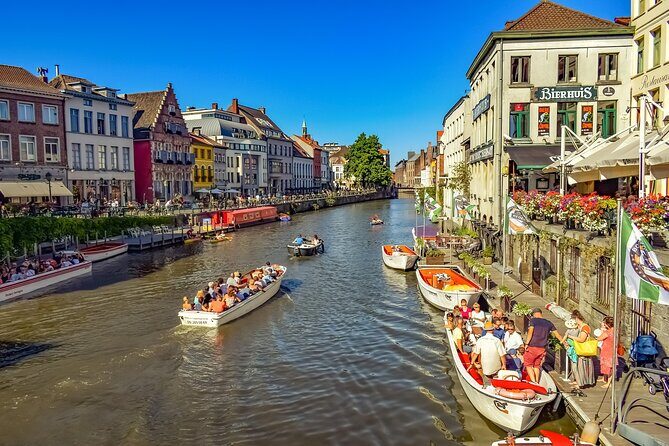
This is a classic “best-of” day from Brussels, with two of Belgium’s most photogenic cities. The value is in the time math: you’re not renting cars, you’re not playing map Tetris all day, and you’re getting guided context while still getting independent time at each stop.
The schedule is built around a simple rhythm. You’ll start at Bd de Berlaimont 18 at 9:00 am, then you’ll head to Ghent first for about 5 hours, followed by Bruges for another 5 hours after lunch. In practice, this means you should plan on real walking shoes, not fancy ones.
What I like most is the mix of “show you the must-sees” plus “let you look around.” That’s the difference between a tour that feels like a checklist and one that helps you actually enjoy the streets. The tradeoff is that it’s still structured, and the group size can limit how much you can stop and smell the roses at exactly the moments you want.
A few more Brussels tours and experiences worth a look
Brussels Pickup and The Day Timeline You Should Plan Around
The meeting point is Bd de Berlaimont 18, 1000 Bruxelles and the trip ends back at the meeting point. Start time is 9:00 am, and the total duration is about 10 hours.
Expect driving time between the cities. One recent comment highlighted roughly 45-minute drives between stops, and the overall schedule supports that pacing. So, you should mentally treat the day as: long morning in Ghent, lunch, then a full afternoon in Bruges, with travel filling the gaps.
Also plan for weather. This experience requires good weather, and if it’s canceled for poor conditions, you’ll be offered a different date or a full refund. That matters because both Ghent and Bruges are best when you can actually move through the streets comfortably.
Finally, keep in mind the language flow. The tour is offered in English, and the format can involve waiting for your language group depending on how the day is running. If you’re the type who hates “stand and wait,” bring patience for a few moments.
Ghent: Cathedral Squares, A Belfry Moment, and Medieval Fortitude
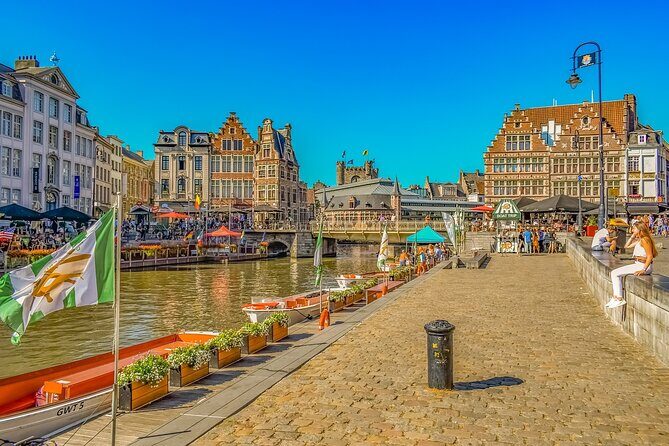
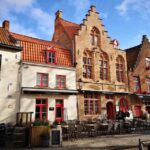
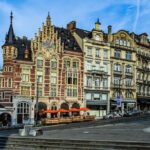
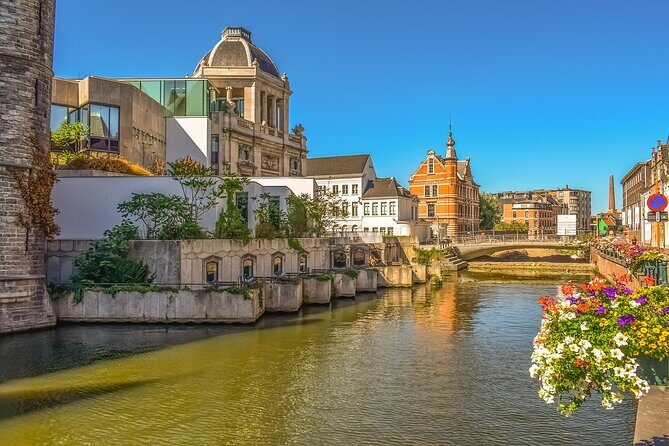
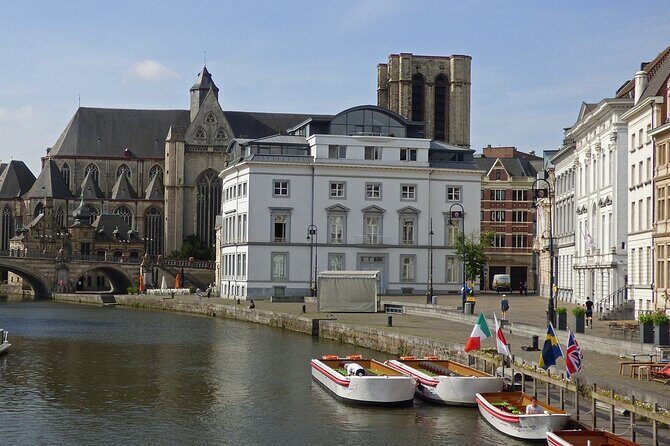
Ghent is the kind of city where the best sightseeing feels like walking through layers of time. You’ll get a guided pass on major landmarks, plus time to wander through the harbor area where locals and students tend to hang out.
What you’ll see in Ghent
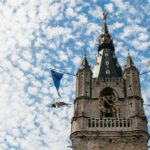
Your Ghent stop includes time with St Bavo’s Cathedral, the City Hall, the Belfry, and St Nicholas’ Church. These aren’t random stops on a map—they’re the core architecture that signals why Ghent mattered.
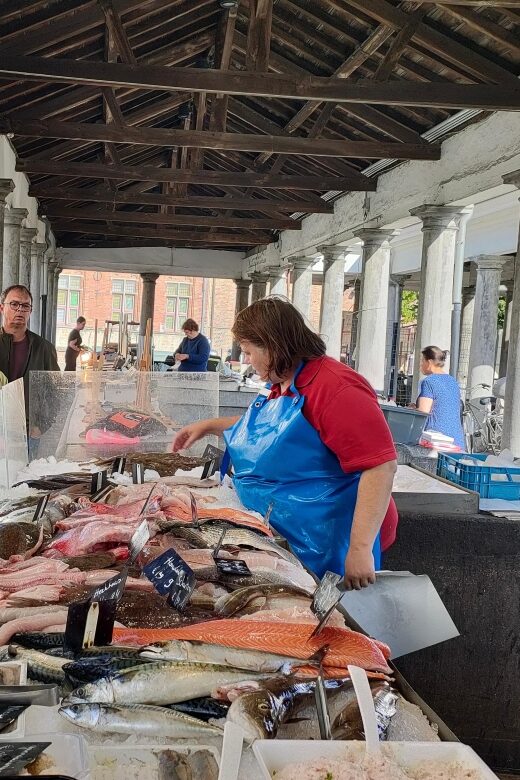
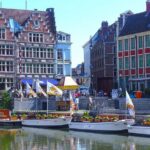
You’ll also spend time around the medieval harbor area, described as a gathering point for students, tourists, and locals. Even if you don’t dig deep into local life, this kind of stop helps you see the city as something lived in, not just admired from a viewpoint.
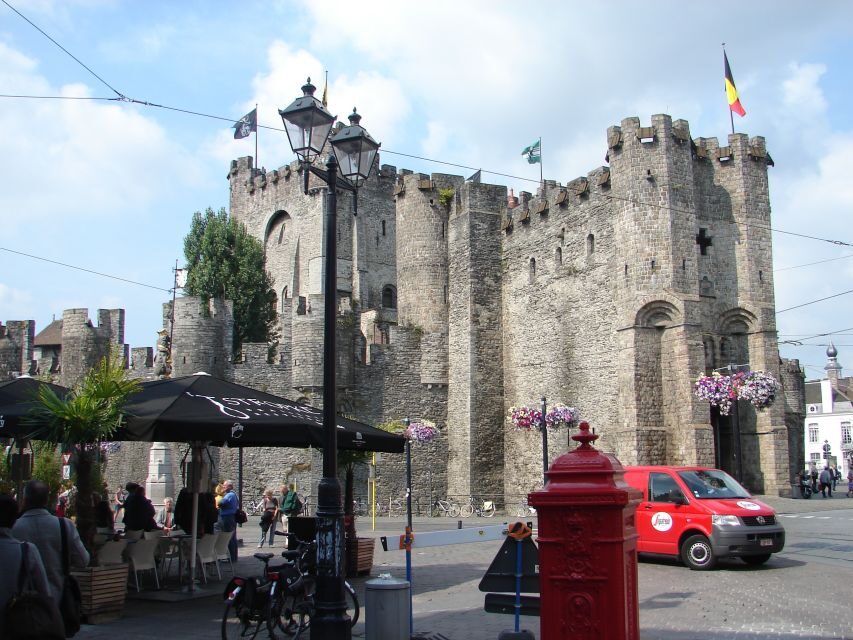
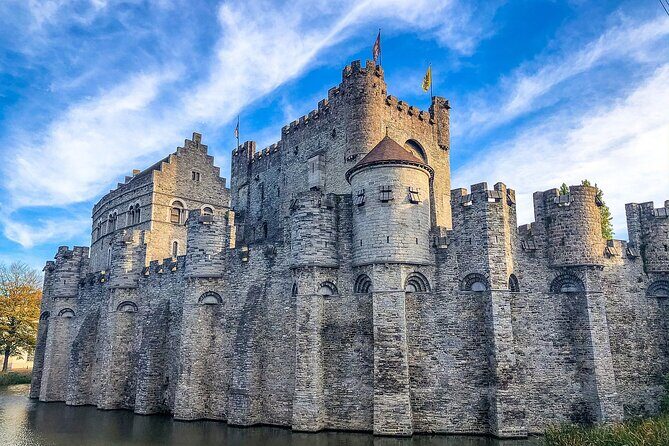
And then there’s the fortress element. The tour highlights a mighty fortress that was the former residence of the Counts of Flanders. In other words, you’re not just looking at churches—you’re getting a sense of power, defense, and political history in stone.
How to make the five hours work
Five hours in Ghent is enough to do the guided highlights and still carve out time for your own rhythm. I suggest using the guided walk as your “set your bearings” phase, then choose one direction to explore afterward.
If you want great photos, don’t just aim for the biggest buildings. In Ghent, the side streets and canal-adjacent areas help your images look less like typical postcard repeats.
One more practical note: Ghent is compact enough that you can cover a lot, but the tour includes walking between stops, so pacing is on you. Take water breaks. Leave yourself a buffer if you want to pop into a café before you get pushed along to the next landmark.



Bruges After Lunch: Minnewater, Beguinage, and The City Highlights Tour
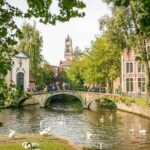
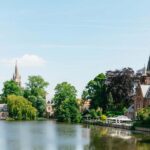
Bruges is where the medieval vibe becomes almost theatrical. After lunch, you start with a photo stop near the banks of Minnewater, then you move on to the Beguinage. That pair is a smart way to set the tone: gentle water-side scenery, then a calmer, historic religious community setting.
From there, the guide gives you the bigger story. You’ll hear Bruges’ history framed from earlier periods through its downfall toward the end of the Middle Ages. That “timeline” approach helps when you’re surrounded by old buildings but don’t yet know what to look for.
The Bruges landmarks on your route
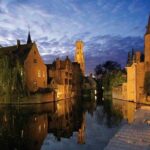
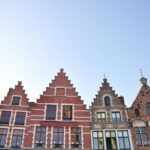
You’ll hit the kind of highlights you see on every Bruges postcard, including the Basilica of the Holy Blood, the Bell Tower, the Church of Our Lady, and St John’s Hospital. Even with only a few hours, these stops give you a strong overview of what makes Bruges feel so unmistakably itself.
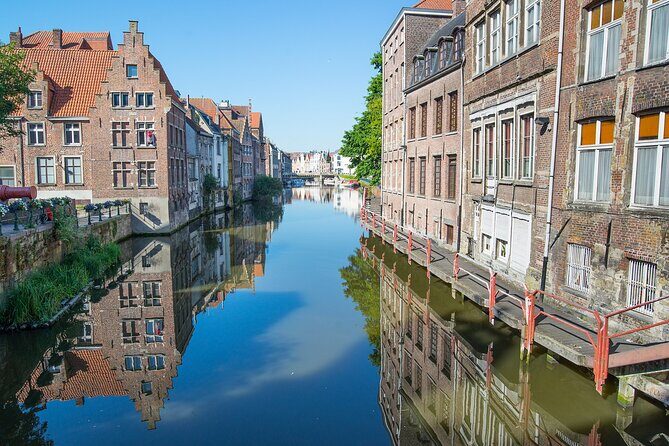
There’s also an option for a boat trip on the narrow canals. That’s a nice add-on when you want something different from walking-only sightseeing, and it’s especially useful when your feet start negotiating.
How to handle the guided portion so it still feels personal
Here’s the honest part: the experience can feel more like a lecture than a conversation. One person described a microphone setup with headsets, and it came across as impersonal—very much like listening to a talk while everyone followed along.
That doesn’t mean the guide won’t be engaging. Other comments praised very detailed presentations and clear English coverage. The key takeaway for you: if you want interaction, plan to ask questions during pauses, and don’t be shy about speaking up early.
It also helps to know you might get some flexibility. In at least one case, the guide allowed someone to go off on their own during the second stop. If independent exploring is your style, you may get permission to branch out briefly—so ask.
Finally, give yourself time to just wander. Bruges is made for it. After you see the bell tower and the big churches, the real fun often comes from turning down side streets you didn’t plan to.
Guide Style: Why It Can Feel Great or A Little Scripted
This trip depends heavily on your guide’s pacing and interaction style. Some guides are praised for being friendly and full of facts, with names like Bruno and Stefan showing up in positive feedback. You may also have a driver mentioned by name, such as Farooq and Daniel, who helped the day run smoothly.
But the same style that keeps the day efficient can also remove spontaneity. If you prefer Q&A, back-and-forth, and lots of mini-stops based on questions, you might feel boxed in. One comment specifically said to skip the audio tour portion because it made the experience feel like a college lecture: monotone delivery, everyone following with headsets, and not much interaction.
So here’s the practical way to handle it. Treat the tour talk as background you can trust for context, then switch into exploration mode as soon as you have your bearings. Use the guide as your compass for what matters, not your entire itinerary.
If you’re sensitive to that impersonal feel, look for chances to step slightly away within the city blocks during your independent time. In Bruges especially, five hours is enough to do a self-guided loop after the guided highlights.
Group Size and Comfort: The Real Impact on Your Day
The stated maximum group size is 40 travelers, which sounds manageable. Still, one comment mentioned a larger group size than expected, affecting how personalized the day felt. That’s not something you can control, but it does influence your experience.
If the group is larger, expect less time for detours, fewer questions, and more “keep up” energy. If it’s closer to the max, you’ll likely feel more freedom in how you move and where you linger.
Comfort-wise, you’re on a bus all morning and again between stops. The good news is that one comment described a clean bus and an excellent driver. The best move on your end is simple: dress in layers. Belgium can shift temperatures quickly, and you’ll be outside for long stretches.
Price Value: What You’re Paying For in Plain English
At $111.75 per person, you’re paying for transport from Brussels plus guided sightseeing in both cities across roughly 10 hours. The itinerary also notes admission ticket free for both Ghent and Bruges stops, which is a big value point when you’re trying to keep costs predictable.
Here’s how to judge whether it’s worth it for you:
- If you only have one day and you want both cities, this price can be a bargain versus doing two separate logistics-heavy days.
- If you don’t care about guided context, you might feel like you’re paying for time you could do independently. But even then, the guided route can help you see what matters quickly.
The best value shows up when you use the tour as a framework. Let it give you the “what” and “why,” then spend your independent time enjoying the “how does this street feel?” side of both cities.
If budget is tight, compare this to the cost of solo transit plus paid guides. This tour’s strength is that it bundles the day into one plan.
Who This Tour Is Best For
This is a great fit if you:
- want to see both Ghent and Bruges without spending your day planning,
- like architecture and medieval landmarks,
- prefer a guided overview followed by free time,
- can handle long walking days.
It may be less ideal if you:
- hate headset-style group touring and want lots of interaction,
- need a quieter pace or minimal walking,
- strongly dislike waiting for language group timing.
If you’re an architecture and city-history person, you’ll likely appreciate the structure. If you’re mostly there for vibes and photos, you’ll still get plenty, as long as you lean into the independent time.
Should You Book This Ghent and Bruges Full Day Tour?
I’d book it if you want maximum medieval sightseeing with minimal effort from Brussels, and if you’re comfortable with a guided format plus walking. The itinerary is built around the big landmarks in both cities, and the five-hour windows in Ghent and Bruges give you room to enjoy more than just the main stops.
Skip it or plan carefully if you know you don’t like impersonal, lecture-style guidance or if you’re sensitive to group pacing. In that case, you might still enjoy the day, but your best bet is to treat the guide as your starting map, then get out into the streets on your own as soon as you can.
FAQ
What time does the tour start?
The tour starts at 9:00 am, departing from the meeting point in Brussels at Bd de Berlaimont 18, 1000 Bruxelles.
Where does the tour meet, and where does it end?
It meets at Bd de Berlaimont 18, 1000 Bruxelles, Belgium, and ends back at the same meeting point.
How long is the Ghent and Bruges tour?
The duration is approximately 10 hours.
Is the tour offered in English?
Yes, the tour is offered in English.
How big is the group?
The experience has a maximum of 40 travelers.
Are admission tickets included?
The itinerary notes admission ticket free for the Ghent and Bruges stops.
FAQ
Can I cancel or change my booking?
This experience is non-refundable and cannot be changed for any reason.
What happens if it’s canceled due to weather?
If it’s canceled due to poor weather, you’ll be offered a different date or a full refund.
What if the minimum number of travelers isn’t met?
If it’s canceled because the minimum isn’t met, you’ll be offered a different experience/date or a full refund.