REVIEW · BRUGES
Bruges: Guided Walking Tour
Book on GetYourGuide →Operated by buendía · Bookable on GetYourGuide
Bruges feels instantly understandable with a guide. This 2-hour walking tour threads together the historic center’s best-known sights in a way that makes the city’s story click fast, from the Lake of Love to the UNESCO core. You get a live Spanish or English guide, timed stops, and a proper ending at the city’s landmark belfry area.
What I like most is the balance between big monuments and the quieter medieval corners in between.
I also like the way the guide builds in a free lunch break so you can eat on your own schedule and wander for chocolate and lace without feeling trapped in a rigid plan. Guides who lead this tour (you might have a Maria, JK, Diego, Peter, or Marija in the group) often answer questions with real city-practical tips, including where to go next for museums.
One thing to consider: the pacing is steady, and if the group is larger than you prefer, it can feel a bit more crowded than a smaller tour.
In This Review
- Key points
- Price and time: why $25 for two hours feels fair
- Where you start (and how radios can affect your day)
- From Lake of Love to the Begijnhof: medieval Bruges, step by step
- Walplein Square and Stoofstraat: the city’s scale in human terms
- Old St. John’s Hospital and Church of Our Lady: where the stops get weight
- Gruuthuse Palace area and Dijver Canal: turning architecture into movement
- Huidenvettersplein, Tanners Square, and Burg Square’s Gothic Town Hall
- Markt, the Basilica of the Holy Blood, and ending at the Campanario
- Lunch break: how to spend the extra time without wasting it
- Beer, museums, and what your guide should help you plan
- Group size and pace: the real-world tradeoffs
- What to bring (and how to make the tour feel easy)
- Who this tour suits best (and who should skip it)
- Should you book Bruges: Guided Walking Tour?
- FAQ
- How long is the Bruges guided walking tour?
- How much does the tour cost?
- What languages are the guides?
- Where is the meeting point?
- Is lunch included?
- Do I need headphones?
- Is this tour suitable for mobility impairments?
Key points
- UNESCO historic center highlights packed into a tight two-hour walk
- Timed stops at major sights so you don’t lose your day to wandering
- Lunch break built in, with chocolate and lace shopping as the natural follow-up
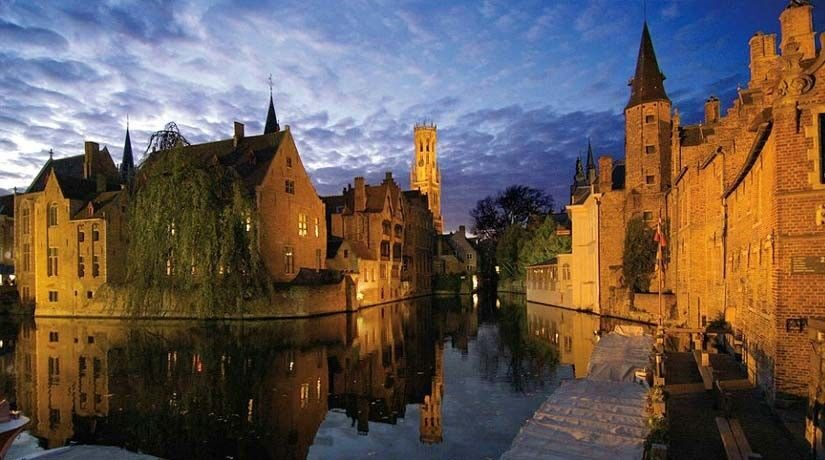
- Canal and square variety from Dijver Canal to Rozenhoedkaai to Market Square
- Belfort area finish so you end where your photos and evening plans will start
- Radio/headphone rule on some days, so bring your own if you can
Price and time: why $25 for two hours feels fair
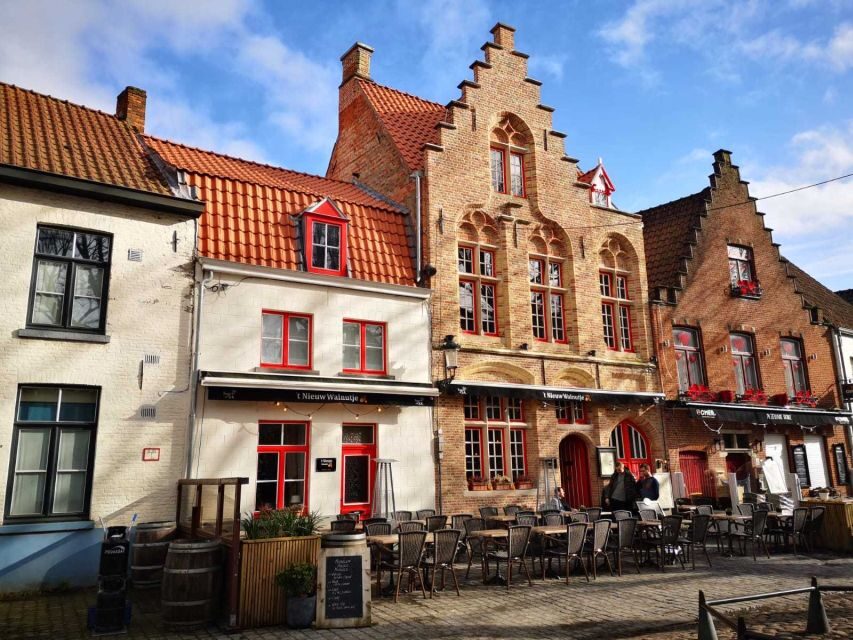
At $25 per person for two hours, this is priced like a smart “get your bearings fast” activity. Bruges is compact, but the historic center is easy to misread if you’re only relying on landmarks and street names. Here, the guide gives structure and meaning as you move from one site to the next, so your time turns into something more than a photo stop.
Two hours is also the right length for Bruges. You’ll see a lot, but you won’t feel locked into the city for the rest of the day. And the tour leaves room for lunch, which is a practical gift in a place where the best snacks and shopping tend to take longer than you expect.
You can also read our reviews of more walking tours in Bruges
Where you start (and how radios can affect your day)
Meeting points can vary, but you’re looking at one of two options: Bargeplein (Katelijnparking) or Zilt Immo. Either way, you’ll want to arrive a few minutes early so you don’t feel rushed during regrouping.
One important Bruges detail: on certain occasions, the operator may use radios with headphones (a local regulation about tourist management). If you don’t bring your own headphones, you can be provided disposable ones for €1. My advice is simple: pack your own earphones just in case. It keeps the experience smoother and avoids an extra cost and extra clutter.
Also note the vibe rules: alcohol and drugs aren’t allowed. This isn’t a party tour, so expect a straightforward walk with commentary rather than roaming interruptions.
From Lake of Love to the Begijnhof: medieval Bruges, step by step
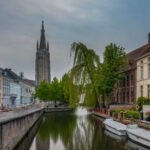
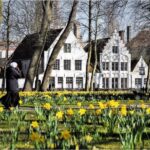
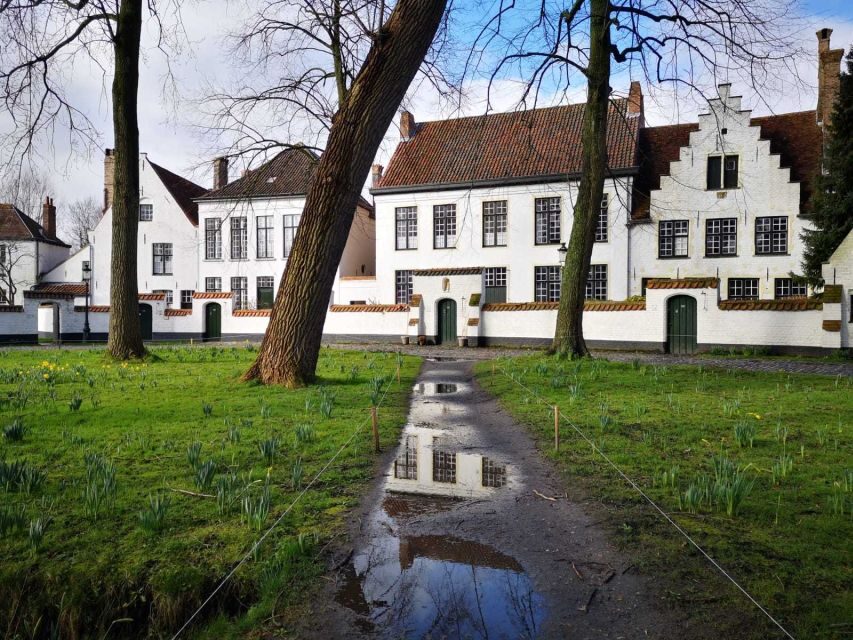
The tour begins with short guided moments that set the tone. You’ll first hit the Lake of Love, then move into the Begijnhof area, including the Beguinage founded in 1245.
Why this early section works: it’s not just about naming places. The guide helps you understand why these spots mattered, which makes the rest of the walking feel more connected. Lake of Love is quick, but it’s a good kickoff because it gives you a visual anchor immediately. Then the Begijnhof gives you something deeper and more unusual than the big showpieces alone.
Expect tight stop times here (about 10 to 15 minutes per segment). That’s intentional. Bruges can tempt you into “one more street” wandering, and you’ll still be able to do plenty of wandering after.
Walplein Square and Stoofstraat: the city’s scale in human terms
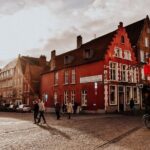
Next you’ll pass through Walplein Square and the Stoofstraat. These are the kind of locations where a guide changes the experience. Without context, they can look like just another pretty stretch of Old Town. With context, they help you notice how the city is organized and why certain paths feel important even when they don’t look monumental.
These segments are brief, around 10 minutes each, so the goal is orientation. You learn what you’re seeing, not just where you’re seeing it. This matters in Bruges because so many buildings have strong facades, and it’s easy to lose track of what’s essential versus what’s simply scenic.
Old St. John’s Hospital and Church of Our Lady: where the stops get weight
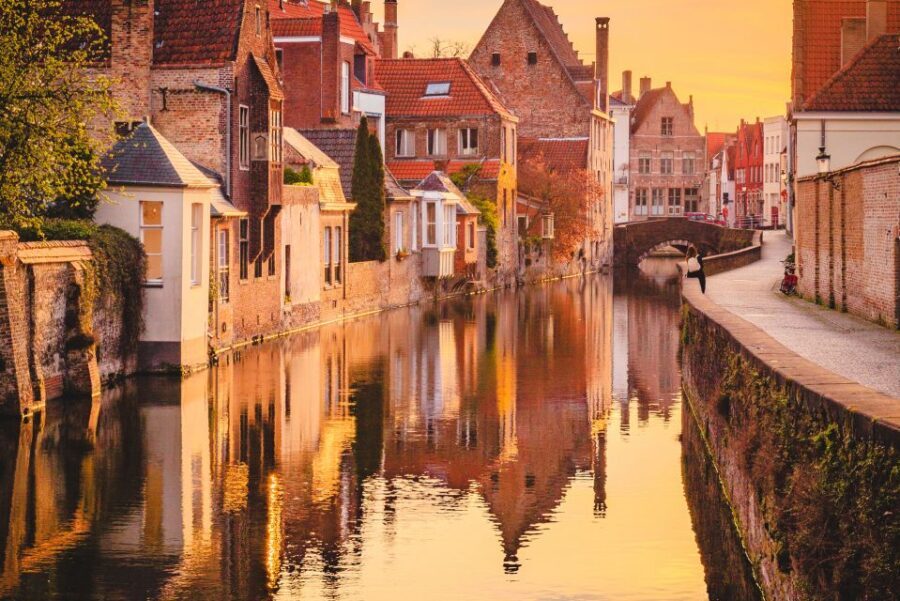
Then the tour moves into more historic gravity. You’ll see Old St. John’s Hospital and the Church of Our Lady (with a dedicated guide stop of about 10 minutes each).
This is a good section for slowing your thinking down. Hospital sites and major churches tend to be more than architecture. The guide typically links them to the city’s social and spiritual life, which turns “a church we passed” into “a church we understand.”
A practical tip: if you’re the type who likes to read every plaque, you won’t have time here. Instead, use this stop to learn the big idea, then go back later if something sparks your curiosity. The tour ends with guidance on where to spend more time, including museums.
You can also read our reviews of more guided tours in Bruges



Gruuthuse Palace area and Dijver Canal: turning architecture into movement
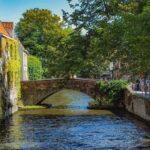
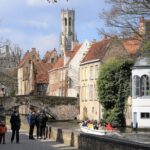
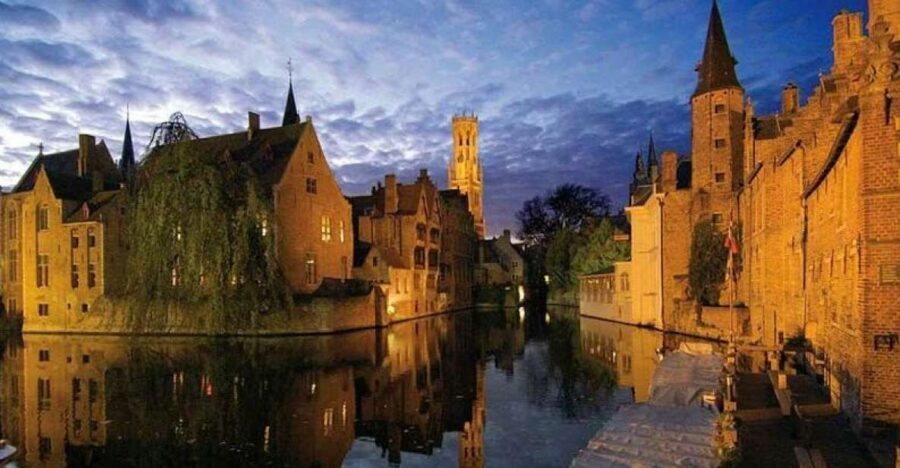
After the church, you’ll head toward Gruuthuse Palace (with the Gruuthusemuseum referenced as part of the stop). From there, the walk brings you into the Dijver Canal zone and onward toward Rozenhoedkaai.
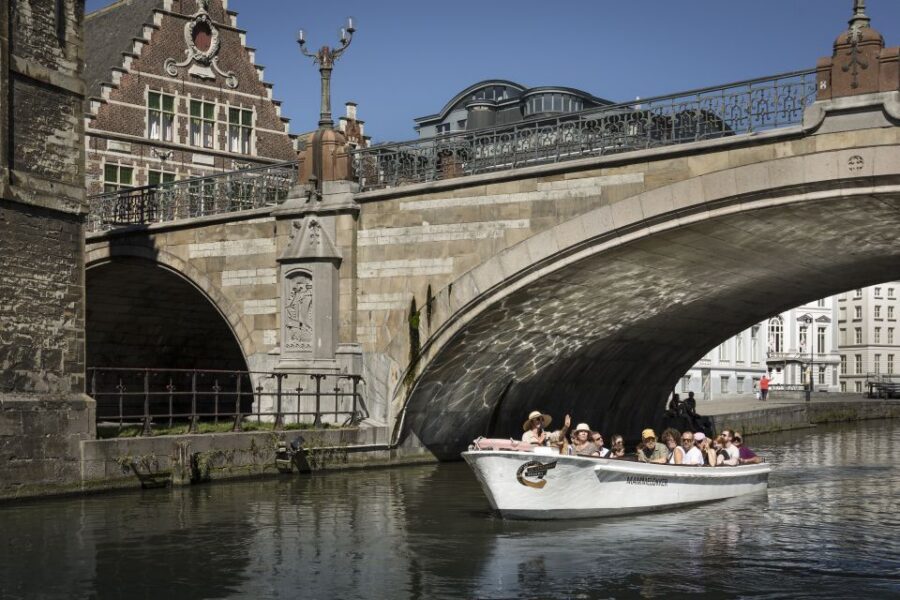
I like this shift because it stops the tour from becoming only buildings. Canals in Bruges aren’t just scenery. They’re part of how the city feels and how you picture movement through time. When you connect the palace-style grandeur to canal lines, you start to read the city in layers.
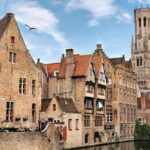
This part of the walk includes a longer stop around 15 minutes at Rozenhoedkaai, which helps you settle for photos and a slower look. If you get motion sickness easily, pause occasionally and keep your eyes on the canal line instead of scanning every façade at once.
Huidenvettersplein, Tanners Square, and Burg Square’s Gothic Town Hall

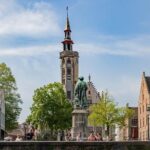
Next comes Huidenvettersplein and Tanners Square (Huidenvettersplein), followed by Burg Square with its Gothic Town Hall.
Why Burg Square is such a strong mid-tour anchor: it’s one of those places where everything feels official. Squares with civic buildings give you a sense of where power and public life landed. The guide’s commentary helps you connect the square’s feel to what you’ve already heard about earlier medieval sites.
These stops are a bit longer here (Burg Square gets around 15 minutes). That’s enough time to absorb the essentials without dragging the tour beyond its two-hour target.
Markt, the Basilica of the Holy Blood, and ending at the Campanario
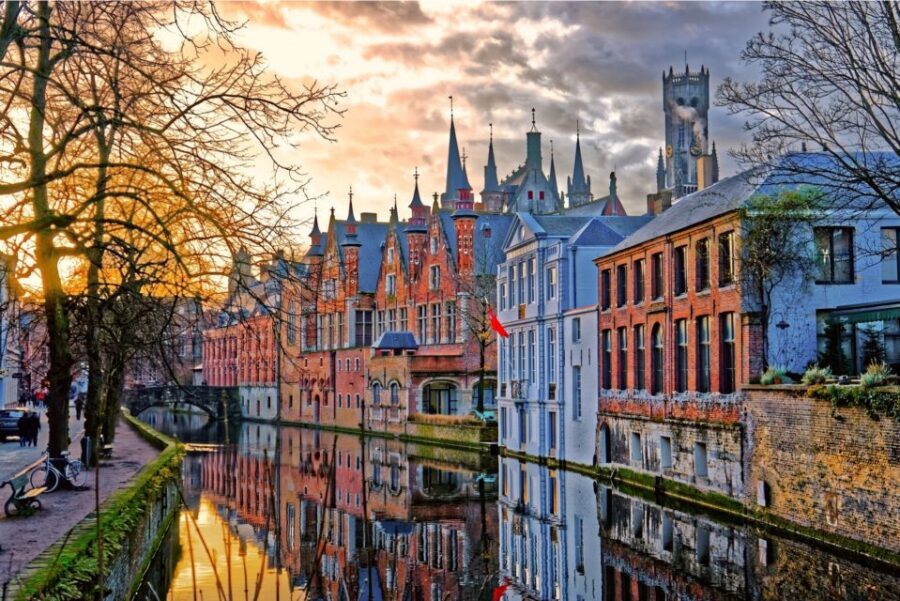
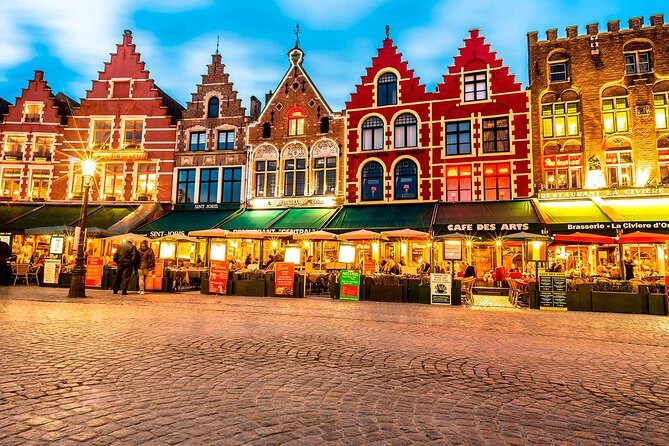
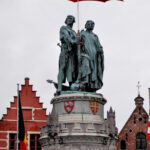
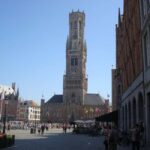
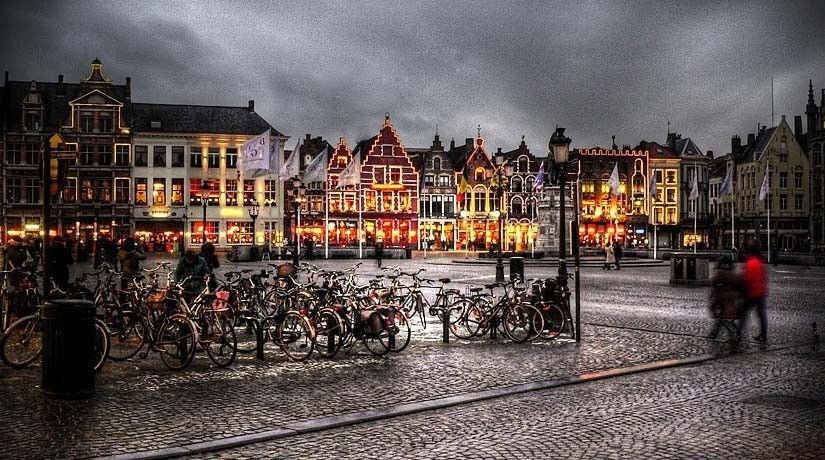
You’ll reach the heart of Bruges: the Market Square (Grote Markt), with the Belfort in view. The tour also includes the Basilica of the Holy Blood.
This ending matters because you finish at the Campanario de Brujas area—essentially the belfry zone—so your last minutes aren’t spent walking into nowhere. You’re placed in the spot where most first-time Bruges plans naturally start to form: dinner ideas, next-day sights, and photo locations.
Expect another 15-minute guided segment at Markt. If you’re traveling with kids, this is often where they finally go quiet because the square’s scale and detail can overwhelm their usual attention span.
Lunch break: how to spend the extra time without wasting it
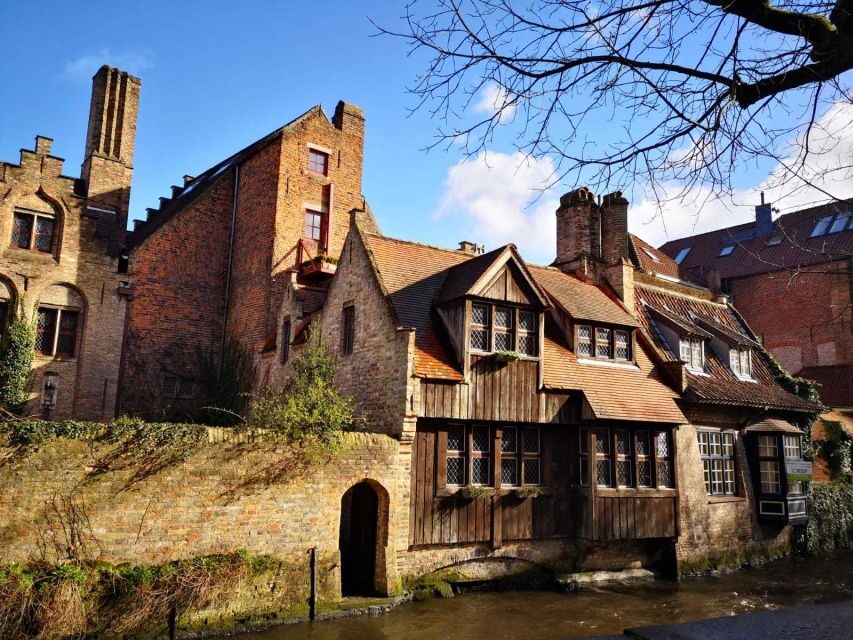
One of the best features here is the built-in free time for lunch. The guide doesn’t try to manage it for you. Instead, you’re encouraged to explore on your own, which is the right call in Bruges.
Use that break strategically. Aim for something nearby that isn’t your first tourist trap. The guide will typically recommend lunch spots outside the tourist area, which often means you’ll get better value and less waiting. You can also follow up with shopping for chocolate and lace, which fits Bruges better than another generic souvenir hunt.
If you’re deciding between snacks versus a sit-down meal, remember the tour runs 2 hours total. You don’t want to blow your afternoon. A smart approach is to eat something efficient, then spend longer browsing later.
Beer, museums, and what your guide should help you plan
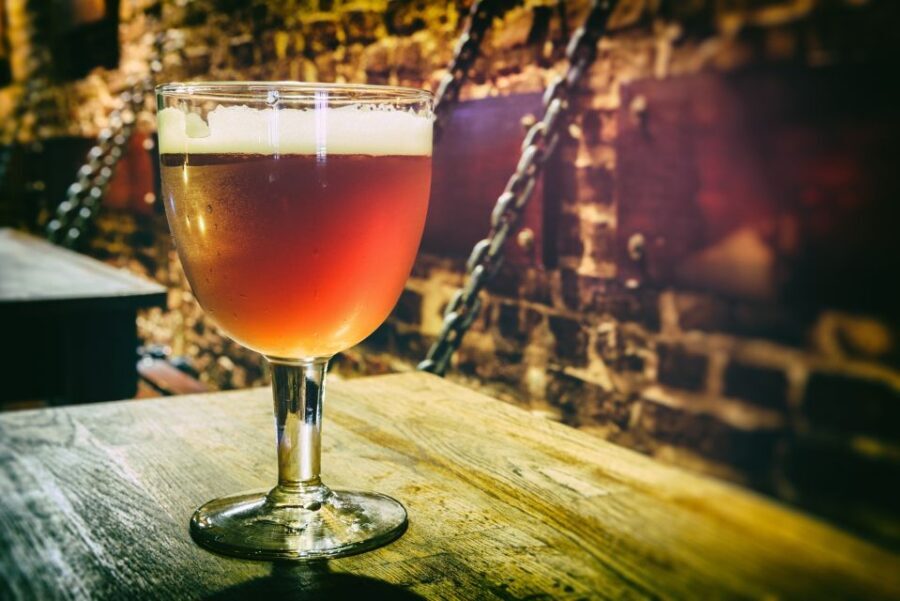
This tour isn’t only about historic sights. You also get practical advice on Belgium’s beer and additional places to visit, including museums.
Here’s why that’s valuable: Bruges can feel like a maze of pretty streets, but your time gets better when you have two or three next-step options. A good guide helps you pick a museum based on your mood. Want something more visual? Prefer stories and objects? The right suggestion can turn a second day into a highlight instead of another round of wandering.
Also, the guides often bring humor and story flavor, which shows up in a lot of the feedback for this activity. Names like JK, Maria, Diego, Peter, and Marija keep popping up with consistent praise for pacing and friendly delivery. If humor and clear explanations matter to you, you’re in the right place.
Group size and pace: the real-world tradeoffs
Pace is generally steady. Stops are timed, and the route keeps moving. Some people really enjoy that structure. Others prefer a smaller group so they can ask more questions without feeling like they’re holding everyone up.
You might also notice that the tour can run with different group sizes depending on the date. If you’re sensitive to crowding, this is the main consideration I’d flag. The good news: the tour is only two hours, so the “too-big group” problem doesn’t last all day.
And if you’re bringing your own headphones, you’ll likely find the audio clearer if radios get used. That helps you stay engaged while moving through squares where voices would otherwise compete with street noise.
What to bring (and how to make the tour feel easy)
Bring comfortable shoes. That’s it, but it matters. The tour is a walking loop across old streets and squares. If your shoes aren’t up to it, the guided parts won’t feel fun.
If you can, bring your own headphones for the radio rule. It’s a small step that can make the tour smoother, especially on busy days.
Finally, keep your expectations realistic: this is highlights-first. You’ll see a lot, but you won’t have time to read every detail at every site. Use the guide to set direction, then go deeper on your own afterward.
Who this tour suits best (and who should skip it)
This tour is ideal if you:
- Have limited time in Bruges and want a guided route through the historic center
- Want context, not just photos
- Like the idea of a lunch break to explore chocolate and lace on your own
- Prefer a guided walkthrough in Spanish or English
It’s not a fit if you have mobility challenges. The tour is not suitable for people with mobility impairments, likely due to the walking pace and old-town surfaces.
Should you book Bruges: Guided Walking Tour?
If you’re visiting Bruges for the first time and want a structured path through the UNESCO historic core, I’d book it. The price is reasonable for a guided orientation, and the route includes the kinds of anchor locations that make your self-guided wandering afterward easier.
I’d skip it only if you already know Bruges well and you don’t want guided structure, or if mobility limitations make walking the old center unrealistic. Otherwise, treat this as your Bruges foundation: get the story, grab lunch, then return to whatever grabbed your attention most.
FAQ
How long is the Bruges guided walking tour?
It lasts 2 hours.
How much does the tour cost?
The price is $25 per person.
What languages are the guides?
The live guide offers Spanish and English.
Where is the meeting point?
The meeting point may vary depending on the option booked, with two listed possibilities: Bargeplein (Katelijnparking) or Zilt Immo.
Is lunch included?
No. Food and drinks are not included, and you get free time for lunch during the experience.
Do I need headphones?
On certain occasions, the tour may use radios with headphones. You may be asked to bring your own. If you don’t have them, disposable headphones may be provided for €1.
Is this tour suitable for mobility impairments?
No. It is not suitable for people with mobility impairments.