REVIEW · BRUGES
Bruges: Ticket Museum Sint-Janshospitaal
Book on GetYourGuide →Operated by Musea Brugge · Bookable on GetYourGuide
Care meets art in Bruges. The St John’s Hospital Museum gives you a very unusual mix: Hans Memling’s hospital commissions and a preserved medieval building that still feels like a place where people came for help. I also like that the museum doesn’t stop at old masterpieces; you’ll meet contemporary artists inside the same historic walls.
One heads-up: the contemporary program can be strange or unsettling for some people, especially if you prefer your art to stay strictly realistic. If that’s you, go in with open eyes and a little patience for odd imagery and modern ideas.
In This Review
- Quick reasons to go
- St John’s Hospital Museum: Care as the main theme
- Memling in a hospital setting: Art built for St John’s
- Contemporary art in medieval walls: De Bruyckere, Piccinini, and your comfort level
- The apothecary and herb garden: Healing tools, not just stories
- Medieval architecture: Where the building does the storytelling
- How long is enough for a $17 day?
- Rules that actually matter: Bags, pets, photos, and ID
- Who should book this museum?
- Should you book St John’s Hospital Museum in Bruges?
- FAQ
- How much does a ticket cost for Bruges: Ticket Museum Sint-Janshospitaal?
- How long does the visit take?
- Is the museum wheelchair accessible?
- Are pets allowed inside?
- Is flash photography permitted?
- Do children need an ID?
Quick reasons to go
- Memling works made for this hospital: Art commissioned for St John’s Hospital and still housed here
- A 12th-century setting that’s unusually well preserved: You’re walking through care spaces, not just viewing rooms
- Contemporary art by Berlinde De Bruyckere and Patricia Piccinini: Modern themes staged against medieval architecture
- An apothecary with a 17th-century interior and herb garden: Healing practices, plant-based remedies, and period details
- You can slow down, then pick a lane: Art lover, architecture fan, or medicine-history nerd all get something
St John’s Hospital Museum: Care as the main theme
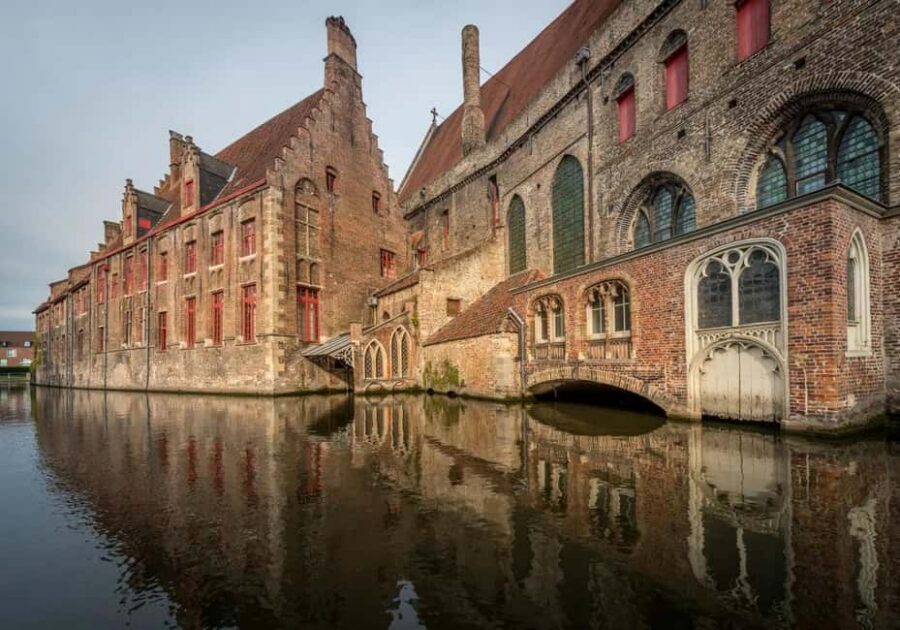
Most museums show you what people built, bought, or conquered. This one shows something rarer: how people tried to care for one another, day after day, over centuries. The experience starts with the fact that St John’s Hospital dates to the 12th century, and its whole “DNA” is hospitality. In other words, you’re not just looking at history; you’re walking through a building that functioned like a shelter and a hospital long before it became a museum.
Inside, you’ll meet the hospital collection plus stories and testimonies focused on hospitality and empathy. That focus changes the way you look at everything else. When you see art here, it doesn’t feel like decoration. It feels like part of how the place supported visitors who needed rest, support, and healing.
This is also where the museum’s tone hits hardest. Even if you only have a short day in Bruges, the atmosphere nudges you to slow your pace. You’ll find yourself reading labels longer than usual, not because you have to, but because the subject is human.
A few more Bruges tours and experiences worth a look


Memling in a hospital setting: Art built for St John’s
If you come for one reason, make it Hans Memling. The museum is home to a world-famous collection of his works, and here’s the detail that makes it special: Memling created major pieces specifically for St John’s Hospital. These artworks have been here since the 15th century, which means you’re not seeing them in a random gallery. You’re seeing them in the environment they were made for.
That matters more than it sounds. In a lot of museums, you have to mentally relocate the art into its original purpose. Here, the building does that work for you. The hospital setting gives the art a different emotional weight. Instead of thinking purely in terms of technique and symbolism, you end up thinking about what art meant to people who were waiting for care—or living through long recoveries.
Memling is often called one of the Flemish primitives for a reason: his style is precise, controlled, and rich in devotional meaning. In this museum, you’ll get that “world-famous masterpiece” feeling, but with a twist. The hospital context keeps pulling you back to the idea of care, not just beauty.
Contemporary art in medieval walls: De Bruyckere, Piccinini, and your comfort level
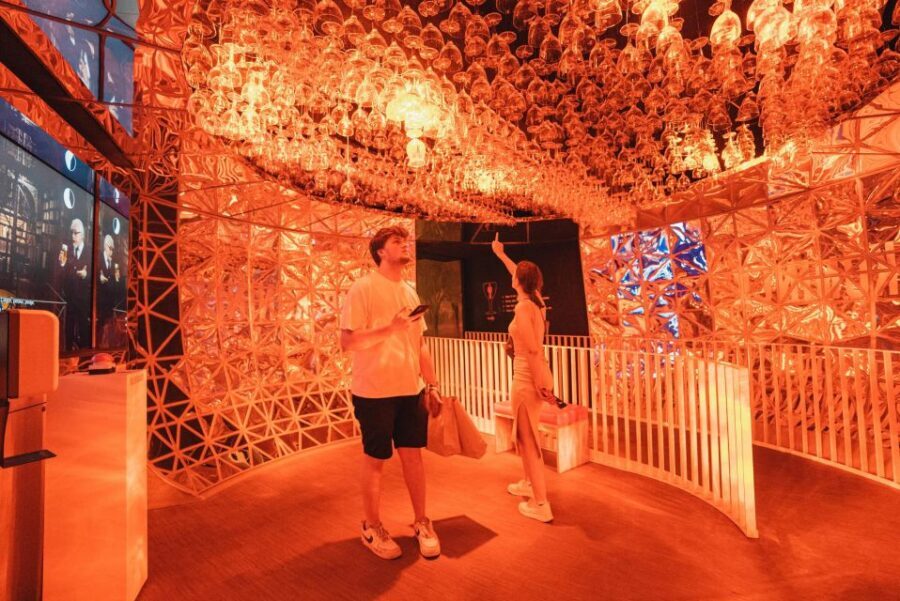
After the Memling rooms, the museum does something clever: it brings you into contemporary art. You’ll see works by artists including Berlinde De Bruyckere and Patricia Piccinini, set alongside the hospital’s historic story.
This contrast can feel jarring at first, but it also makes sense. A hospital isn’t frozen in time. Neither is the idea of empathy. By mixing centuries, the museum asks a simple question: what does care look like now?
I like this approach when it works for you because it changes the museum from a “look and leave” stop into a conversation. You’ll notice modern themes about the body, identity, and how we treat living things are given space to exist right next to older spiritual and medicinal ideas.
Still, one possible drawback is that some contemporary works can hit you as disturbing or just plain weird—especially if the imagery leans into human-animal or unsettling concept art. If you’re sensitive to that kind of visual metaphor, pace yourself. You don’t need to force your way through every piece at the same intensity. Take breaks. Step back. Let your eyes adjust.
The apothecary and herb garden: Healing tools, not just stories
One of the most practical, memorable stops is the old pharmacy area. You’ll get to step inside the hospital pharmacy with an authentic 17th-century interior, plus an herb garden tied to how remedies were prepared.
This is where the museum turns from emotion to “how did people actually do it?” You’re not just reading that medicine existed. You’re seeing how a healing space was organized, how plants would have mattered, and how practical the old idea of care could be.
I find apothecaries fascinating because they remind me that medicine has always mixed observation, tradition, and experimentation. Even if you don’t walk away with a new set of medical facts, you’ll leave with a clearer sense of what healing meant day-to-day: herbs, tools, and a system for preparing treatments.
If you like science-adjacent travel, this section gives you a welcome change of pace from art galleries. It’s also a great moment for photos—just remember flash photography isn’t allowed.
Medieval architecture: Where the building does the storytelling
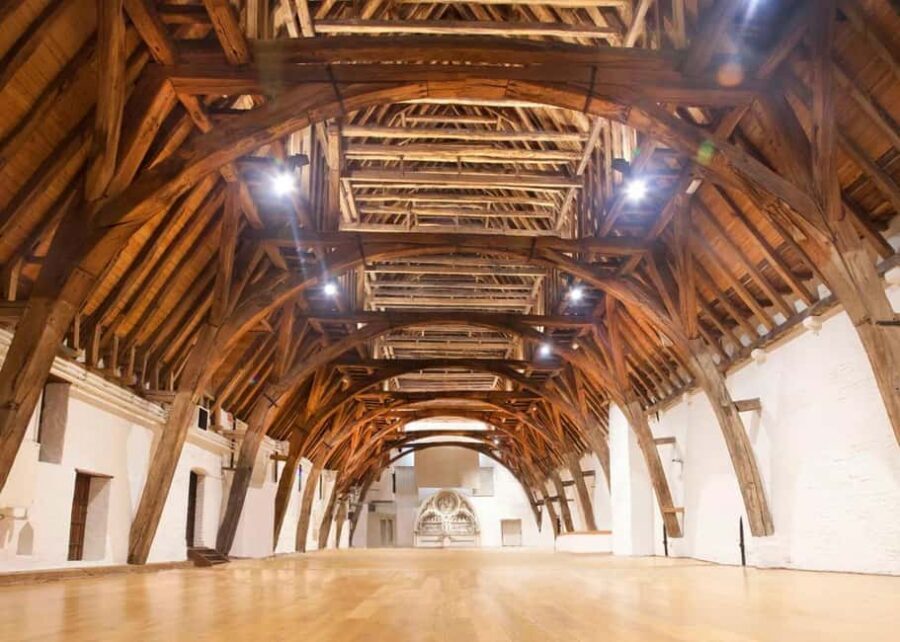
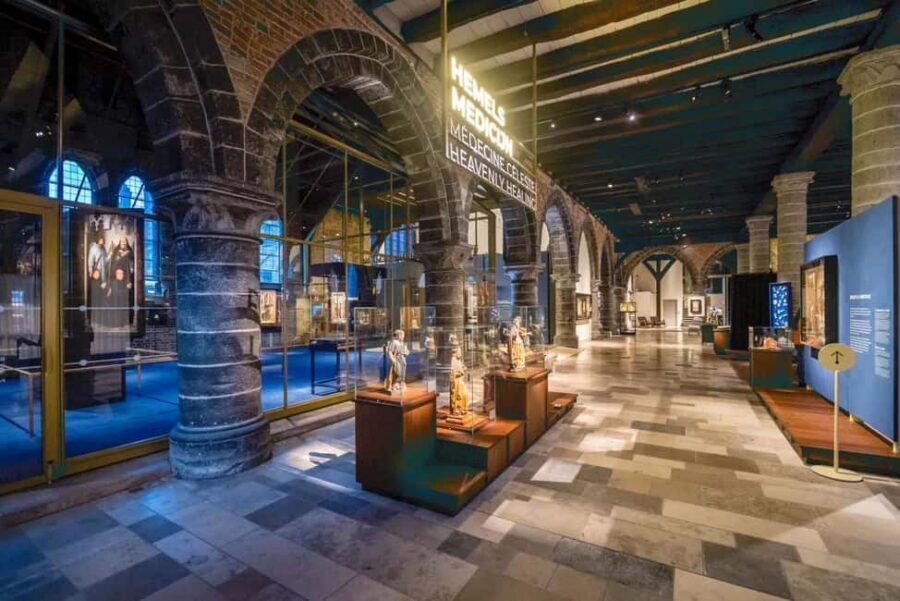
You’ll also want to slow down for the well-preserved medieval architecture. The building is part of the show. In many historic sites, you spend your time trying to picture what it used to be. Here, the structure already makes the past legible.
As you move through rooms, keep an eye on details like openings, room shapes, and how spaces relate to one another. Those design choices helped the hospital function. That’s why this stop feels different from other museums in Bruges: you’re constantly learning the building’s logic while you also learn the human stories it carried.
Even the layout nudges you into a certain rhythm. You can take a route that starts with art, then shifts to the healing spaces, and ends with pharmacy details. Or you can reverse it and build toward the Memling highlights. The point is, the architecture supports multiple ways to experience the museum.
You can also read our reviews of more museum experiences in Bruges




How long is enough for a $17 day?
The ticket price is about $17 per person, and the value comes from the sheer range packed into one visit. You’re not only paying for art. You’re paying for:
- Memling’s major works in their long-term home
- contemporary art with a strong “care” theme
- a historical pharmacy with an authentic interior and herb garden
- a medieval hospital setting that ties it all together
That combination is what makes the cost feel reasonable. In many places, you’d need separate tickets or separate neighborhoods to get this kind of mix—art plus architecture plus medicine history in one place.
It’s listed as a 1-day experience, and you can check starting times to plan around your Bruges schedule. If you’re doing other sights that day, I’d treat St John’s Hospital Museum as an anchor stop. It’s the kind of place where cutting too close can make you rush, and rushing is the enemy of this museum’s mood.
Also, the museum offers skip-the-ticket-line, which helps if you’re trying to keep your day moving without feeling penned in by waiting.
Rules that actually matter: Bags, pets, photos, and ID
Before you head in, know the practical limits so you don’t waste time at the door.
- No luggage or large bags. If you’re traveling with bulky items, plan to leave them somewhere convenient before you arrive.
- Pets aren’t allowed, but assistance dogs are.
- No flash photography. Normal photos are fine as long as you respect the museum’s lighting rules.
- If you’re visiting with kids, bring passport or ID for children.
- Children under 13 can get a free ticket at the box office.
These rules shape the experience more than you might expect. The no-large-bag policy keeps things calmer inside. It also means you’ll likely move through rooms without obstacles. That’s good news in a museum where you’ll want to look closely at artwork and reading material.
Who should book this museum?
I think this museum is a strong fit if you want more than one flavor of culture in a single stop.
You’ll probably enjoy it if you:
- love Flemish art and want Memling in a setting that matches his purpose
- like museums that connect art to real human life (care, empathy, hospitality)
- are curious about how older societies approached medicine
- don’t mind contemporary art that asks questions, rather than only showing pretty pictures
You might want to think twice if you strongly dislike modern imagery that can feel unsettling or symbolic. The contemporary portion is part of the point here, and it won’t be toned down for comfort.
Families can also work well, especially because kids under 13 get free entry. Just keep in mind you’ll still need to follow the bag and photography rules.
Should you book St John’s Hospital Museum in Bruges?
Yes, I’d book it if you like Bruges for more than its canals and chocolate shops. This is one of those places where the art feels purposeful because it’s tied to a living theme: care. Memling fans will feel rewarded, and even if you’re not an art expert, the apothecary and herb garden make it feel real and human.
I’d think twice only if contemporary, metaphor-heavy art makes you shut down fast. If that’s the case, you can still enjoy the Memling and the pharmacy sections, but go in expecting the museum to mix emotions on purpose.
If you’re doing just a single Bruges museum day, this one is a smart, high-value pick.
FAQ
How much does a ticket cost for Bruges: Ticket Museum Sint-Janshospitaal?
The price is listed as $17 per person.
How long does the visit take?
It’s described as a 1 day experience.
Is the museum wheelchair accessible?
Yes, it is wheelchair accessible.
Are pets allowed inside?
Pets aren’t allowed, but assistance dogs are allowed.
Is flash photography permitted?
No, flash photography is not allowed.
Do children need an ID?
Children should bring a passport or ID card. Also, children under 13 can obtain a free ticket at the box office.