REVIEW · BRUGES
Bruges: Ticket Stadhuis (City Hall)
Book on GetYourGuide →Operated by Musea Brugge · Bookable on GetYourGuide
Bruges City Hall is history you can walk through. You’ll start with the building’s long civic story in one of the Low Countries’ oldest city halls, then move up to the Gothic Hall for murals that connect Bruges to its own big moments. I love how the visit covers both the grand and the personal, with life-size portraits downstairs and storytelling scenes upstairs. One drawback: the experience can feel brief if you’re a slow museum browser, so plan to linger only where you truly care.
What makes this ticket worth your time is the mix of periods and themes in one place. Dating to the late 14th century, the hall isn’t just a pretty facade. You’ll also get maritime context through an augmented reality model and artifacts, so the city doesn’t stay trapped in old paperwork and coats of arms.
Before you go, know there are limits: no flash photography, no pets (assistance dogs allowed), and no luggage or large bags. If you travel light and want a straightforward, high-impact stop, this fits nicely.
In This Review
- Key highlights to look for
- Inside Bruges City Hall: what you’re actually paying for
- Getting your bearings: the Stadhuis and the Burg square connection
- First floor time travel: the Gothic Hall and its big visual plan
- The polychromed vault in the same room
- A practical note
- The adjoining room: Bruges and the sea, shown through artifacts and AR
- Downstairs portraits: rulers you can stand in front of
- What you’ll get most from this section
- How this city hall still works: council meetings and real life uses
- Reviews, in practical terms: how long it really feels
- Who should book this Bruges City Hall ticket?
- Price and value: why $10 makes sense for the time you spend
- Practical tips that help you enjoy the visit more
- Should you book Bruges: Ticket Stadhuis (City Hall)?
- FAQ
- Where is Bruges City Hall located?
- How much does the ticket cost?
- How long is the visit?
- What’s included with the ticket?
- Is there a way to avoid waiting in a ticket line?
- What are the language options?
- Are children allowed, and is there a child ticket price?
- Is the city hall wheelchair accessible?
- What items or behaviors are not allowed inside?
- Are there cancellation options?
Key highlights to look for
- Gothic Hall on the first floor: murals that narrate Bruges through time
- Original polychromed vault: a real 14th-century feature in the same room
- Life-size ruler portraits: mayors, kings, emperors, and even Napoleon
- Maritime history room: an augmented reality model plus museum artifacts
- Burg square evolution: how civic and religious power shaped the area
Inside Bruges City Hall: what you’re actually paying for
For about $10 per person, you’re not buying a long guided tour. You’re buying access to a compact but layered building that packs multiple “why Bruges matters” stories into a short visit. That value works well if you want one top sight that’s easy to time between canals and chocolate breaks.
The building itself is the main character. Bruges City Hall (Stadhuis) dates back to the late 14th century, and it helped set a pattern for other city halls across the region. In plain terms: this isn’t some decorative stop. It’s a working civic space from the past that still matters today.
And today, it isn’t just a showpiece. The Gothic Hall is used for monthly council meetings, which makes the experience feel more grounded than a typical museum-only building.
A few more Bruges tours and experiences worth a look



Getting your bearings: the Stadhuis and the Burg square connection
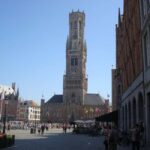
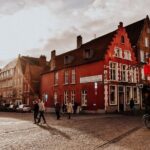
Even before you step inside, Bruges City Hall is tied to the Burg, the square in front of the building. The city square used to be the hub for civic and religious administration. That detail matters because it explains why a city hall could feel like more than bureaucracy.
When you understand that the Burg was once where power mixed with daily life, the interior scenes make more sense. You’re not only looking at portraits or murals. You’re watching how civic authority was visualized, recorded, and remembered in a city that took its governance seriously.
First floor time travel: the Gothic Hall and its big visual plan
Your route naturally pulls you toward the Gothic spaces first, and that’s where the experience really clicks.
The highlight on the first floor is the Gothic Hall, reached by a grand staircase. This room is adorned with 20th-century murals that tell Bruges’ story. It’s a modern layer placed inside a medieval framework—an intentional way to connect what used to be happening here to how the city understands itself now.
I like that the murals don’t replace the older parts. They frame them. The murals help you place events and people in context, so the building doesn’t feel like disconnected architecture. You can stand back, take in the room, then return your attention to specific details.
The polychromed vault in the same room
In that Gothic Hall setting, you can also see an original 14th-century polychromed vault. That’s a key contrast: you get both painted storytelling and an actual medieval architectural element in the same area. If you’re the kind of traveler who loves proof—real materials, real age—this is the payoff moment.
A practical note
Because this is a visual, room-based experience, the pacing depends on how quickly you move between stops. If you’re a slow lingerer, allow extra time here; if you’re efficient, you can cover it in a tight window. Either way, wear comfortable shoes for the staircase route.
You can also read our reviews of more city tours in Bruges




The adjoining room: Bruges and the sea, shown through artifacts and AR
Next door is the historical room focused on Bruges’ maritime history. This is where the visit widens beyond portraits and political symbolism.
You’ll find an augmented reality model alongside a collection of artifacts. The museum setup is designed to make the sea connection feel more immediate than a textbook timeline. Instead of treating maritime history as distant background, it shows how central it was to Bruges’ identity.
I especially like this part because it prevents the visit from becoming only about rulers. Even if you’re not a “marine history” person, the point is clear: Bruges was shaped by trade, transport, and the rhythm of a port city.
If you enjoy hands-on or tech-supported museum elements, the AR model is the moment to slow down and pay attention. If you dislike anything requiring screens, you can still focus on the artifacts, but the AR is built into the experience.
Downstairs portraits: rulers you can stand in front of
Then you go downstairs, and the mood shifts.
One of the most memorable aspects is the collection of life-size portraits of former rulers. You’ll see mayors, kings, emperors, and even Napoleon. That last name makes the room feel slightly surprising—Bruges isn’t only medieval pageantry. It’s a place where political power changed hands across centuries.
These portraits do something subtle: they turn history into scale. A portrait that’s life-size doesn’t let you treat history as a small illustration. You stand at human height and suddenly the past feels more present.
And because these figures represent different kinds of authority—local and imperial—you get a sense of how the city’s governance was influenced from within and outside.
What you’ll get most from this section
This section is best when you spend a couple minutes picking one or two figures and really looking. Notice how the setting frames them. Then connect it back to what you saw upstairs in the Gothic Hall murals and the maritime room.
It’s a smart way to make the building feel like one storyline rather than a set of separate exhibits.
How this city hall still works: council meetings and real life uses
This is a place that hasn’t stopped being civic.
The Gothic Hall still hosts monthly council meetings, which keeps the building from feeling frozen in time. When you know it’s used for local governance, you may notice how the space is built for visibility and formality.
It’s also used as a wedding venue—many couples choose the setting to tie the knot and say I do. That fact isn’t just trivia. It reflects how the building’s grandeur translates into modern ceremonies.
Reviews, in practical terms: how long it really feels
Based on the overall rating (4.2 from 27 reviews), the experience is generally seen as worth it—especially for people who want a beautiful building and a straightforward overview. One review notes a fairly brief visit that still covers the history of Bruges and its rulers, which matches the way the route is structured: you can see the main story without committing to a full half-day.
The only clear warning sign in the reviews is timing. If you arrive late and the site is crowded, it can cut into your entry window and you may end up missing the chance to go in. For value, the best move is simple: arrive with buffer time, and don’t plan to race across the city hall stop right at your next reservation.
Also, if you’re using a museum pass, treat it as helpful but not a guarantee of entry when you’re already running late. Build time into your day so you don’t have to gamble.
Who should book this Bruges City Hall ticket?
This ticket works best for you if:
- you want a single stop that connects medieval architecture with later storytelling murals
- you’re interested in how civic power looked in Bruges, not just the canals and churches
- you like a compact museum visit where the main highlights are clear and easy to follow
- you want a photo-friendly interior that doesn’t require a full museum day plan
You might skip it (or pair it with something else) if:
- you prefer long, guided, room-by-room interpretation rather than a self-directed highlight route
- you’re hoping for large-scale interactive exhibits beyond the maritime AR model
- you hate stairs and tight timing (the visit includes a grand staircase)
Price and value: why $10 makes sense for the time you spend
At $10 per person, the value is strongest for travelers who want maximum “Bruges meaning per hour.” You’re paying for access to three high-interest zones in one venue:
- the Gothic Hall with 20th-century murals and the 14th-century polychromed vault
- the maritime room with an augmented reality model and artifacts
- the downstairs life-size portraits of rulers, including Napoleon
That mix is hard to recreate elsewhere in a single building. Even if you don’t spend ages in every room, you’ll still cover the building’s key themes: governance, identity, and Bruges’ connection to the sea.
Practical tips that help you enjoy the visit more
Here are a few things that keep the visit smooth and more enjoyable:
- Travel light. Luggage or large bags aren’t allowed.
- Skip flash. Flash photography isn’t allowed, so plan for normal light photos if that matters to you.
- Watch pet rules. Pets aren’t allowed, but assistance dogs are.
- If you’re visiting with kids: children under 13 can get a free ticket at the box office.
- If you’re mobility limited: the ticket is wheelchair accessible, but you’ll still want to plan your pace in rooms with stairs and traffic.
Should you book Bruges: Ticket Stadhuis (City Hall)?
Yes—if you want one of Bruges’ most important civic landmarks without turning your day into a schedule. The building packs a lot into a short visit: Gothic Hall murals, an original 14th-century polychromed vault, maritime history with an augmented reality model, and life-size ruler portraits.
I’d skip or reconsider only if you’re looking for a long, guided deep dive, or if you know you’ll likely arrive late and be stuck in crowds. This is a high-value stop when you can walk in and take your time where it matters.
FAQ
Where is Bruges City Hall located?
Bruges City Hall is in Flanders, Belgium.
How much does the ticket cost?
The price is $10 per person.
How long is the visit?
The ticket is listed as valid for 1 day.
What’s included with the ticket?
The ticket includes entrance to Bruges City Hall.
Is there a way to avoid waiting in a ticket line?
Yes. The offer includes skip the ticket line.
What are the language options?
The ticket information lists languages, but no specific languages are named in the provided details.
Are children allowed, and is there a child ticket price?
Yes. Children under 13 can get a free ticket at the box office.
Is the city hall wheelchair accessible?
Yes. The experience is wheelchair accessible.
What items or behaviors are not allowed inside?
You can’t bring luggage or large bags, and pets aren’t allowed (assistance dogs allowed). Flash photography isn’t allowed.
Are there cancellation options?
The offer includes free cancellation up to 24 hours in advance for a full refund.