REVIEW · BRUSSELS
Brussels: Private Tour of the European Quarter
Book on GetYourGuide →Operated by City Unscripted · Bookable on GetYourGuide
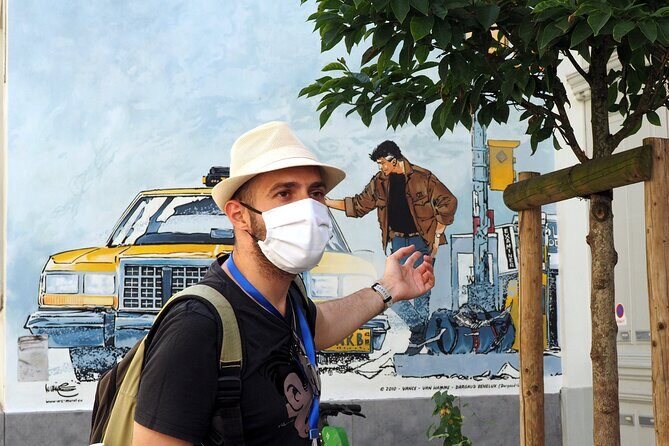
Brussels can feel political, fast. This private, personalized walking tour in the European Quarter turns all that EU talk into streets, buildings, and real neighborhood life. I especially like two things: you get a passionate local host who adapts as you go, and you see the EU landmarks plus the quieter, everyday corners that usually slip past set-piece sightseeing. One thing to consider: it’s a walking tour with no tickets or food included, so you’ll want to plan around your own pace and any snacks you want along the way.
What makes it work for you is the setup. After booking, you’ll fill out a questionnaire about your interests, and your host uses it to shape the route through the European Quarter, with flexible start times and a meeting point arranged in central Brussels. The host also stays in direct communication with you, which means the tour can shift if you want more architecture, more politics, or more local culture.
I also like that this isn’t a one-size slideshow. The tour runs with English and French live guiding, and it’s designed as a private group experience where you can actually ask questions and steer the walking pace. And yes, one guide named Andrea has been praised for customizing the walk and making the complicated Brussels-and-Europe story easier to follow.
In This Review
- Key things to know before you go
- Meeting your host in central Brussels (and getting a plan that fits)
- What the European Quarter teaches when you see it as a neighborhood
- Passing the European Parliament and watching EU power meet the city
- Parc du Cinquantenaire: a reset zone between politics and people
- Art Nouveau streets, quiet courtyards, and where locals actually linger
- Matonge and Congolese culture: your tour can follow your curiosity
- How the questionnaire changes everything (and why that’s good value)
- Timing, walking pace, and what to bring for 3 hours on foot
- Price: what $121 per person buys you in real terms
- Who this Brussels European Quarter tour suits best
- Should you book this private European Quarter walking tour?
- FAQ
- How long is the Brussels European Quarter private tour?
- What does the tour include?
- Is food or drinks included?
- Are attraction tickets included?
- Do I need to arrange transportation?
- Where does the tour start?
- What languages are available for the tour?
- Is this tour wheelchair accessible?
- Is there flexibility with booking time and payment?
Key things to know before you go
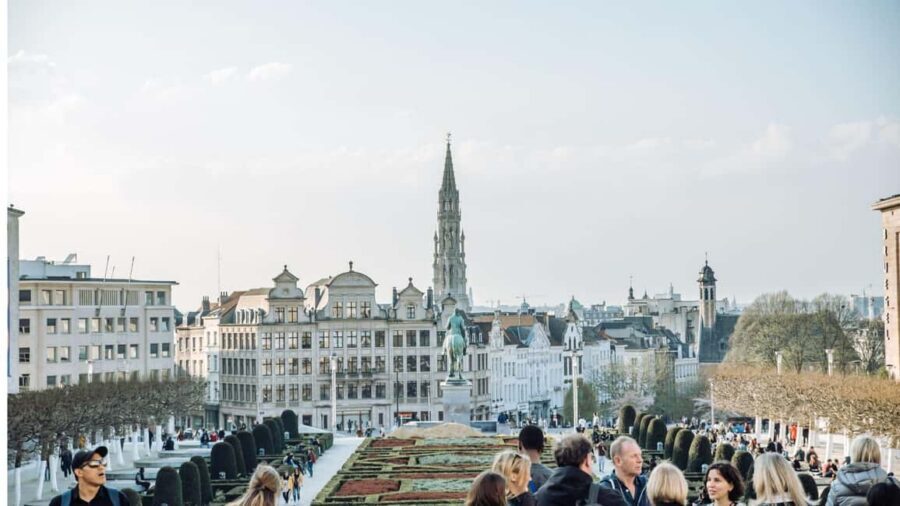
- A truly tailored European Quarter route: your host builds the itinerary from your questionnaire and keeps it flexible.
- EU icons plus local rhythm: you’ll pass major institutions and also spend time on slower, human-scale streets.
- Real-time adjustments: if you want politics, architecture, café stops, or cultural areas, the walk can shift.
- You get insider tips for after the tour: the guide shares tailored recommendations for the rest of your stay.
- Private-group attention: you’re not sharing the experience with strangers and hoping the guide notices you.
- Walking-first format: expect a 3-hour route designed for on-foot exploring, with transport only if needed.
Meeting your host in central Brussels (and getting a plan that fits)
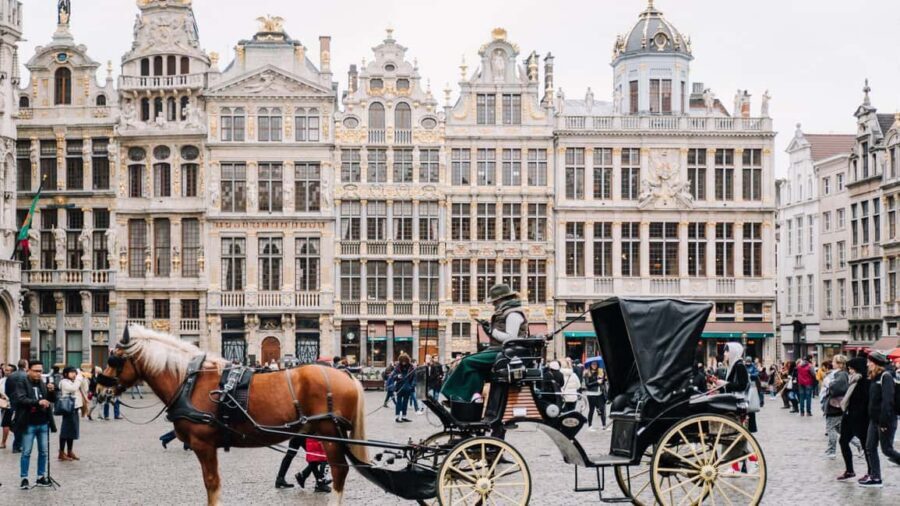
This tour starts with a simple idea: you don’t show up to a fixed route and hope it matches your interests. You book, then your local host reaches out and asks about you—your curiosity level for EU politics, your interest in architecture, and how you like to explore (quick stops vs. longer hangs). You also choose your meeting spot within central Brussels, and if you’re staying centrally the host can meet you at your hotel if you share the name and address.
That matters because the European Quarter can be confusing if you’re just wandering. The buildings are important, but they’re also spread out, and the area has both grand public facades and sleek modern offices. A host who understands what you care about helps you focus on the right questions as you walk—why this place looks like this, and what kind of power is actually being exercised here.
It’s also worth noting the vibe you’re setting up. The experience is framed as something more like walking with a knowledgeable local friend than ticking through landmarks with a headset. In practice, that usually means you’ll feel free to ask, pause, and ask again when something clicks.
You can also read our reviews of more private tours in Brussels



What the European Quarter teaches when you see it as a neighborhood

The European Quarter is easy to misunderstand. If you only think about it as EU headquarters, you miss the way the area lives like any other part of a big city. This is why the tour’s mix is so useful: you’ll see the headline sites, but you’ll also spend time with the quieter streets that show Brussels as a place where locals actually move through daily life.
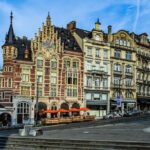
As you walk, you get the contrast that makes the area interesting. On one side you have grand 19th-century facades, and on the other you see sleek, modern office spaces built to carry contemporary political work. Your host can connect those visuals to the story—how institutions evolve, how architecture reflects priorities, and why Brussels ends up with a patchwork feel instead of one uniform style.
You’ll also learn to spot details without turning the walk into homework. The tour description points to quiet streets where Art Nouveau touches show up, along with cozy cafés and small “stop-and-look” moments like courtyards and side streets. Even if you’re not an architecture person, it’s the kind of variety that keeps the route from feeling repetitive.
Passing the European Parliament and watching EU power meet the city
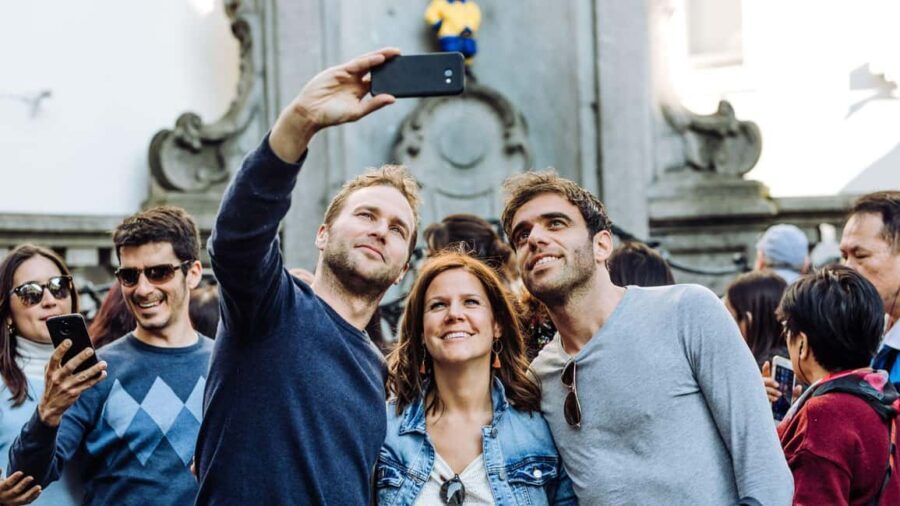
A big draw here is that you don’t just read about EU institutions—you see their scale and setting. The route includes a walk past the European Parliament area, so you can get a sense of how a political system looks from street level: huge civic presence, carefully designed views, and a sense of seriousness in the space.
The value of seeing it on foot is that you notice more than the building. You notice the surrounding approach roads, the open sight lines, and how pedestrians fit (or don’t fit) into the design. A host can also explain what you’re looking at in plain language, so the politics doesn’t stay abstract.
If you care about EU history or how this system works, this is where your host’s customization matters most. The tour is built to adapt—so if you want more context, you can ask for it and the walk can lean more into the complicated story behind the symbols. If you’d rather focus on architecture and atmosphere, the host can shift your attention to facades, materials, and the way the area’s look changes as you move.
One consideration: since it’s a walking tour, you’ll mostly experience the institutions from outside. If you’re hoping for ticketed interior time or formal guided entry into specific buildings, that’s not what this format includes.
Parc du Cinquantenaire: a reset zone between politics and people
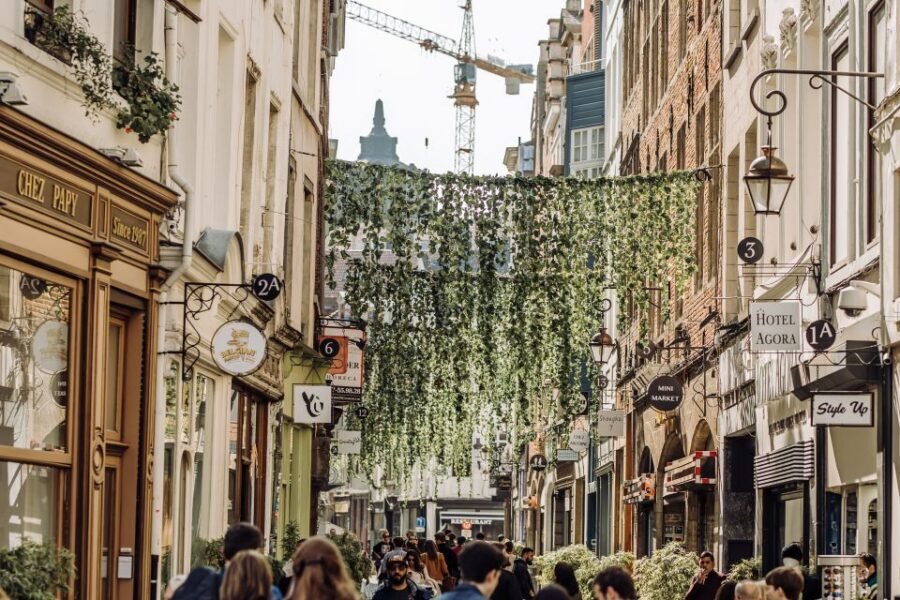
Another highlight on the route is Parc du Cinquantenaire. Even if you’re not a “park person,” this stop is smart because it breaks up the European Quarter’s built-up intensity. You move from political architecture to a more spacious, open-air feel, which helps the whole walk stay enjoyable instead of exhausting.
Why it works: gardens and walking paths give your eyes a chance to rest, and they also create a different kind of story space. In a city like Brussels, parks often connect to bigger themes—public life, civic design, and how major areas get balanced with places for regular people to slow down.
From your perspective, this is likely one of the most calming parts of the 3-hour experience. If you like travel that includes both “wow” and “breathe,” it’s a natural match. If you’re short on energy that day, the park section can feel like a built-in pacing tool.
Art Nouveau streets, quiet courtyards, and where locals actually linger
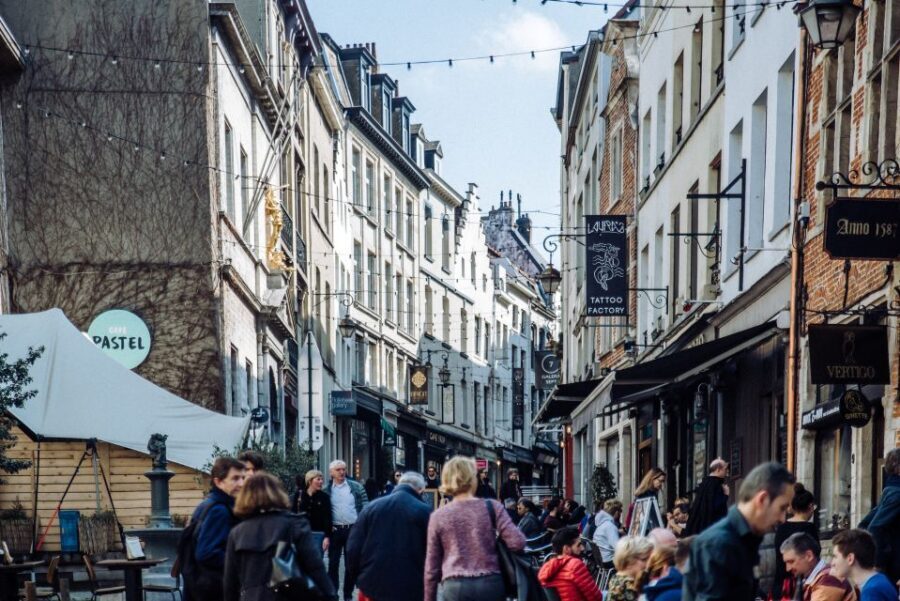
This tour is at its best when it shifts from major landmarks to smaller signals of Brussels character. The European Quarter has stretches where you can spot Art Nouveau touches, plus cozy cafés and side-street calm. That’s the kind of contrast that makes Brussels feel layered rather than purely institutional.
Your host is the key to making these moments meaningful. Without a guide, those streets might just look like “pretty buildings.” With a host, you get the “why” behind the details—how style and design show up in everyday settings, and how locals use those spaces as part of their routine.
You should also expect the walk to include small, spontaneous stops. The tour description explicitly calls out spontaneous, authentic moments that match your interests, and that’s where the guide’s personality shows. If you want a short conversation with locals’ atmosphere in mind, or you want a pastry break because you’re touring with real-life energy levels, your host can build time for it.
The only drawback in this segment is simple: since the itinerary adapts, the exact stops can vary. If you’re the type who loves a guaranteed checklist with fixed timings, this flexible approach may feel less predictable.





Matonge and Congolese culture: your tour can follow your curiosity
Not everyone comes to the European Quarter only for EU buildings. Many people also want cultural context—who lives near these institutions, and how Brussels’ different communities shape the city’s identity.
If Congolese culture and the area of Matonge are on your radar, the tour is designed to accommodate that curiosity. The experience description explicitly mentions interest in Matonge’s vibrant Congolese culture, and it frames this as something your host can weave in depending on what you tell them you care about.
This is valuable because it keeps the tour from becoming a museum of power. It connects political geography to human geography, which is the part that helps the city feel real.
Since the exact route can change, don’t expect a rigid “Matonge is always included” promise. Instead, treat it as a possibility you can request during your questionnaire and early chat with your host.
How the questionnaire changes everything (and why that’s good value)
This tour isn’t just private in the sense of fewer people. It’s private in the sense that your route should reflect your curiosity. After booking, you’ll get a questionnaire aimed at your personality and interests. Based on your answers, the company assigns a host who matches your interests, and your host contacts you directly to shape the itinerary.
I like this approach because it protects your time. In a place like Brussels, you can waste hours zigzagging between “important” points without ever feeling oriented. A tailored route helps you connect the dots while you’re walking—EU landmarks to the architecture around them, then into neighborhood details that give the whole area meaning.
It also explains why guide quality matters so much here. The experience provider is City Unscripted, and one guide named Andrea received praise for customizing the tour for a small group of friends and teaching the complicated history and culture of Brussels and Europe in a way that was easy to understand and enjoyable. That kind of clarity is exactly what you want when politics and history feel intimidating.
Timing, walking pace, and what to bring for 3 hours on foot
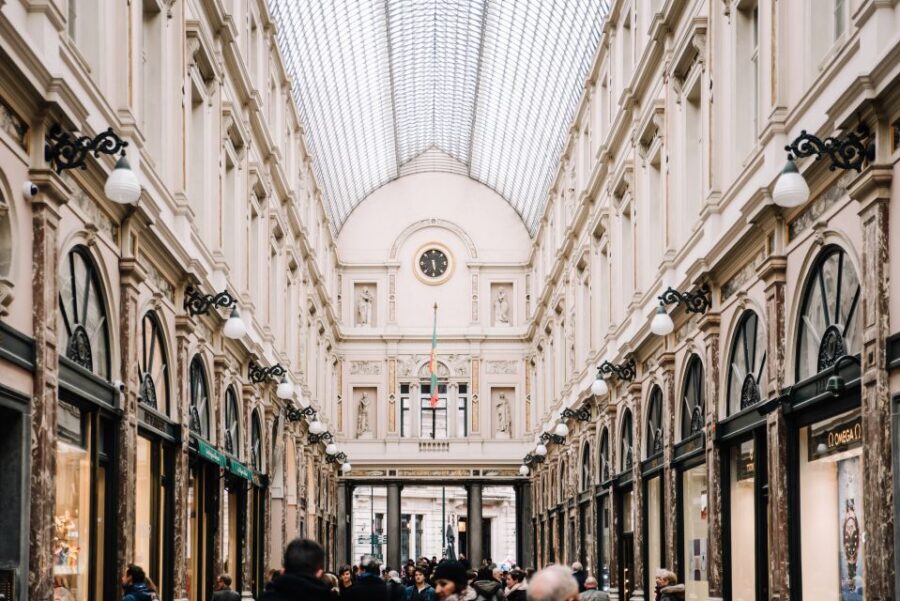
You’re looking at a 3-hour walking tour, and it’s designed as on-foot exploring with no private vehicle included. In other words, you should plan for actual walking time, not just “light strolling with stops.” The good news is that a smart host can adjust how the walk feels—pauses for questions, a moment to sit if needed, and pacing that matches the interests you bring.
Your tour may use public transportation or local taxis between sites if needed, but transportation costs are not included and can be discussed with the host after you finalize. That means you’ll likely stay mostly within the European Quarter walking rhythm, but you’re not locked into a single route if geography or your schedule makes moving smarter.
What you should bring:
- Comfortable walking shoes for Brussels sidewalks
- A small water bottle, since you might be out for the full 3 hours
- Any focus items you like—notes app, camera, or just an open mind
- An appetite for detours, because the tour is built to adapt in real time
Wheelchair accessibility is listed, and the tour is designed to be wheelchair accessible. If you need specific accommodations, message your host directly when you confirm your meeting point so they can plan the safest, easiest path.
Price: what $121 per person buys you in real terms
At $121 per person for a 3-hour private walking tour, this isn’t a budget “hop-on, hop-off” choice. But for a private, customized guide in a politically focused part of Brussels, it can be good value—especially if your group is small and you want more than a generic loop.
Here’s why the price can make sense:
- You’re paying for tailoring through a pre-tour questionnaire, not just a standard script.
- You get direct communication with the host to set your meeting spot and fine-tune interests.
- You’re not buying tickets, which often keeps the cost more controlled if you’re not interested in specific paid entrances.
- You get insider tips for your remaining days in Brussels, which can save you time figuring out what to do next.
The main reason it might not be the best deal: if you only want a quick exterior overview of EU buildings with no real interest in context. In that case, a free or cheaper self-guided approach could fit. But if you want meaning—why things look the way they do, and what the EU presence means at street level—this private format is built for that.
Who this Brussels European Quarter tour suits best
This is a strong match if you want a personal lens on the European Quarter. It’s ideal for:
- Couples or small friend groups who want a guided walk without crowd pressure
- People interested in EU institutions and the stories behind them
- Travelers who like architecture and want the contrast between old Brussels facades and modern EU structures
- Anyone who wants a flexible plan, including time for cafés or conversation breaks
- Visitors curious about how Brussels communities connect to political space, including the possibility of Matonge
It’s also a good choice if you’re the type who hates being rushed. A private tour gives you room to ask follow-up questions and adjust the pace so you don’t spend the whole walk thinking about the next stop.
Should you book this private European Quarter walking tour?
If you want the European Quarter to feel understandable and human, I’d book this. The biggest win is the guide-driven customization—your host shapes the route around your interests, and you get the kind of explanations that help “complicated history” feel usable instead of overwhelming. I’m also encouraged by the clear pattern of praise for customization and clarity, including feedback about Andrea customizing the walk and explaining the Brussels and Europe story in an enjoyable, easy way.
If you’re only interested in ticking off famous buildings from the outside with zero interest in context, you might prefer a cheaper self-guided plan. But if you’d rather walk with someone who can connect EU landmarks to architecture, street life, and neighborhood details—and adjust on the fly—this private 3-hour experience is a smart buy for Brussels.
FAQ
How long is the Brussels European Quarter private tour?
It lasts 3 hours.
What does the tour include?
You get a private, personalized walking tour led by a passionate local host, plus insider tips and tailored recommendations for the rest of your stay.
Is food or drinks included?
No. Food and drinks are not included.
Are attraction tickets included?
No. Tickets to attractions are not included.
Do I need to arrange transportation?
Public transport or local taxis may be used to transfer between sites, but transportation costs are not included and can be discussed with the host after your reservation is finalized.
Where does the tour start?
You’ll be met at any location in the center of Brussels. Your host contacts you beforehand to confirm your requested meeting spot, and if you’re staying central, they can meet you at your hotel if you provide the name and address.
What languages are available for the tour?
The live guide is available in English and French.
Is this tour wheelchair accessible?
Yes, it is listed as wheelchair accessible.
Is there flexibility with booking time and payment?
Yes. It has flexible start times (check availability for exact times). It also offers a reserve now & pay later option, with free cancellation up to 24 hours in advance for a full refund.