REVIEW · BRUSSELS
Brussels: The comic book walls walking tour
Book on GetYourGuide →Operated by Curiositas Mundus · Bookable on GetYourGuide
Tintin and Smurfs aren’t just on postcards. This walking tour turns Brussels’ comic walls into a guided, story-by-story street lesson. You’ll cover more than the center and notice details you’d otherwise walk right past.
I like two things a lot. First, the stop for Tintin’s house (before he moved to Moulinsart) makes the city feel personal, not generic. Second, I love how the guide teaches how French-Belgian comics work, so the art stops are about craft, not just fandom.
One possible drawback: it’s a 150-minute walk and it can feel information-heavy. If you prefer short, casual sightseeing, plan a slower pace before or after, and bring a little patience.
In This Review
- Key highlights worth getting excited about
- Brussels comic walls on foot: more than a photo stop
- Tintin’s house stop: turning a character into an address
- The first comic wall in Brussels (1991) and why it’s a big deal
- Spotting French-Belgian comic techniques on the walls
- Beyond the city center: streets that broaden the Brussels picture
- Authors, schools, and where to find comics in your language
- The guide makes the difference: Samuel’s pacing and Q&A energy
- When 2.5 hours might feel like too much
- Price and value: what you’re paying for (and what you get)
- Practical tips so you enjoy the walk more
- Should you book? Yes, if comics are your kind of city experience
- FAQ
- What language is the comic book walls walking tour offered in?
- How long is the tour?
- How much does it cost?
- Is the tour free for children?
- Where is the meeting point?
- How big is the group?
- Is the tour wheelchair accessible?
- Is the tour suitable for visually or hearing-impaired visitors?
Key highlights worth getting excited about
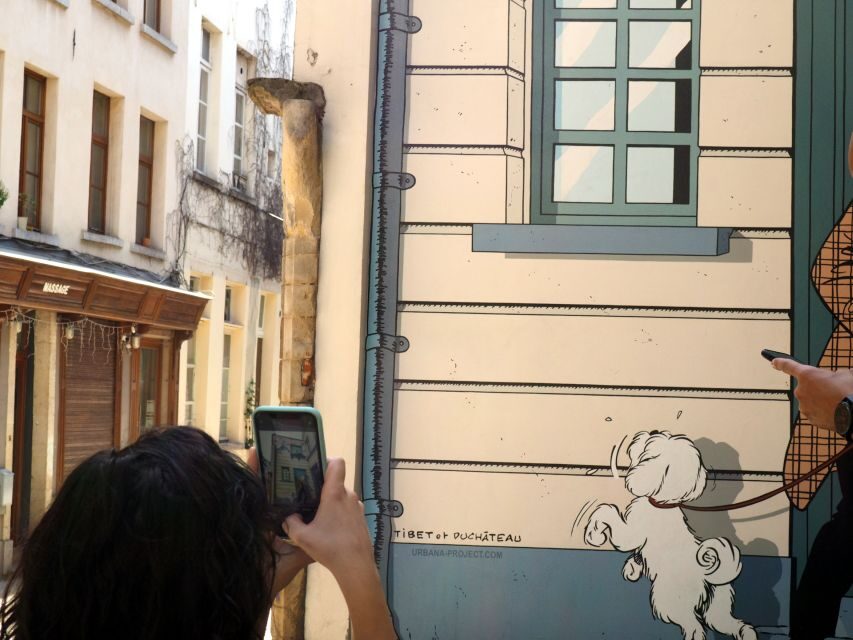
- Tintin’s real home on the route, before the Moulinsart move
- The first Brussels comic wall from 1991, explained in context
- French-Belgian comic techniques, taught so you can spot them on murals
- Streets beyond the center, so you see a wider Brussels picture
- A guide-led hunt for details, not just photos and pass-bys
Brussels comic walls on foot: more than a photo stop
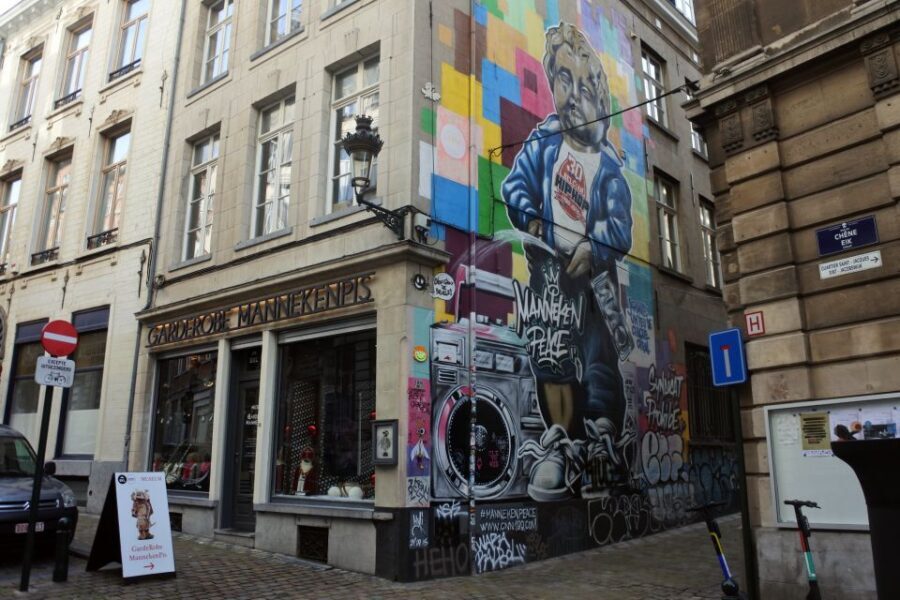
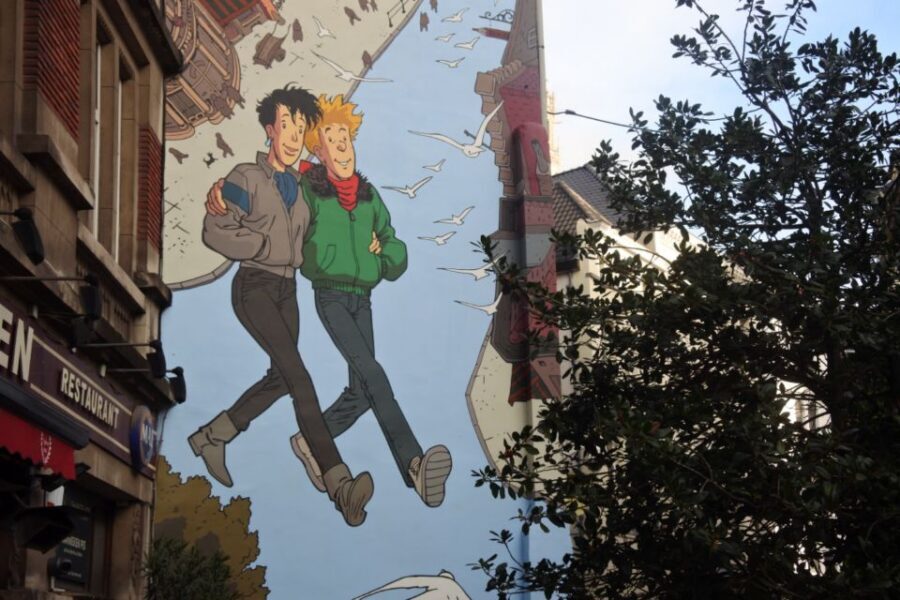
Brussels has over 80 comic-related walls, and this tour gives you a way to make sense of them as one connected scene. Instead of hopping between random murals, you walk a route where each stop builds on the last. The goal is simple: you leave seeing the city differently.
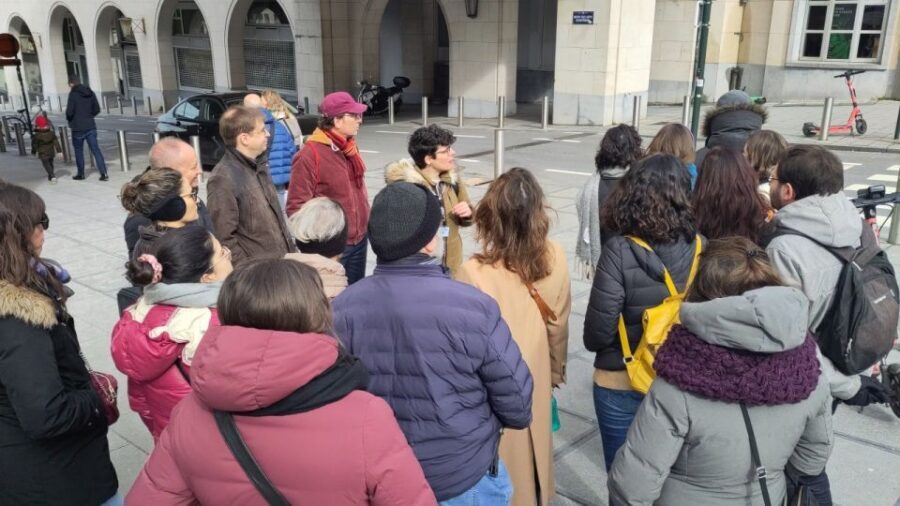
You’ll be out for about 150 minutes, which is just enough time to feel like you learned something without turning it into an all-day marathon. The group stays small, capped at 25 people, so questions don’t vanish into the crowd.
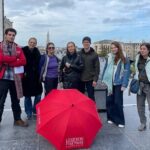
Your meeting point is Rue du Marché au Charbon, 40, right by the mural de Brousaille. Your guide from Curiositas Mundus will be easy to spot with a distinctive marker.
One more thing that matters: the tour language is fixed for the day. It runs in Spanish on Thursdays and Sundays. If you don’t want to gamble with comprehension, match your day to the language you want.
You can also read our reviews of more walking tours in Brussels

Tintin’s house stop: turning a character into an address
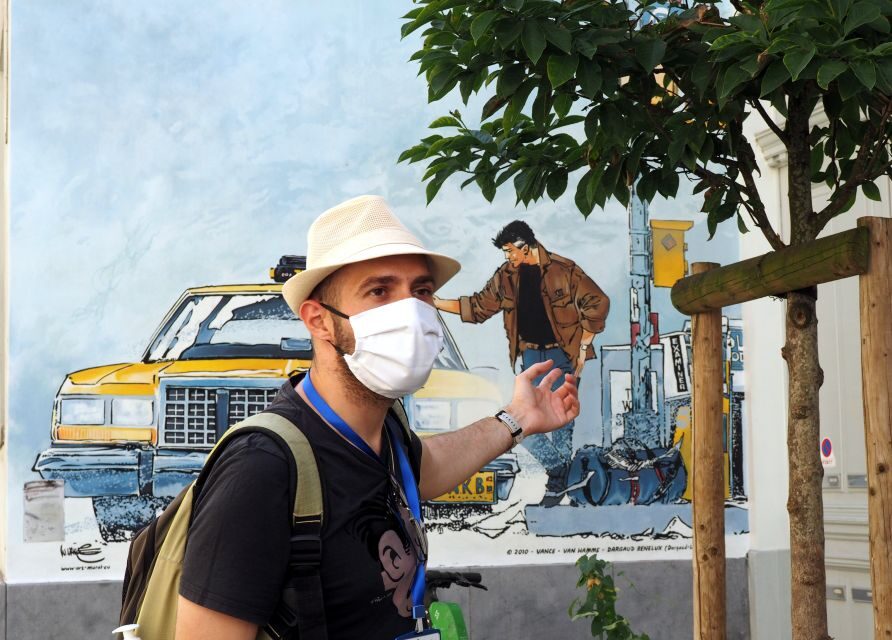
The most “wow” moment is the Tintin’s house segment. The tour doesn’t just reference Tintin as an icon. It points you to where Tintin lived, before he later moved to Moulinsart. That shift—from real streets to fictional castles—clicks fast when you hear it out loud while standing nearby.
For me, the value here is the way the guide uses place to explain meaning. You stop seeing murals as decoration and start reading them like a timeline. Even if you’re not a die-hard comics collector, it’s a satisfying kind of city storytelling.
It also sets the tone for the rest of the walk. Once you’ve tied one famous character to an actual neighborhood detail, the later comic-wall lessons feel more grounded and less like trivia.
The first comic wall in Brussels (1991) and why it’s a big deal
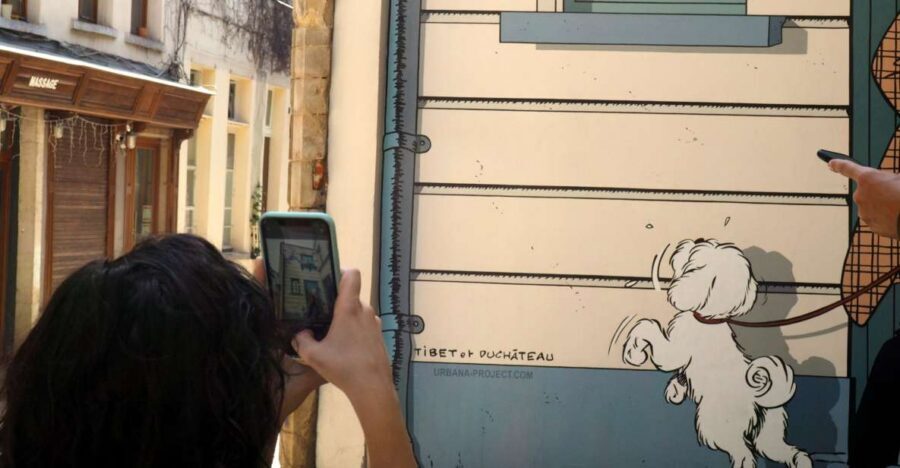
You also get the answer to a key question: which wall was the first comic wall in Brussels, created in 1991? This part works because it gives you a starting point. Brussels didn’t always cover its walls with comics, and that historical beat helps you understand why the murals feel like culture, not decoration.
What you’re really learning is how public art becomes a system. When a city decides to start placing comics in public spaces, the style and storytelling don’t stay in the print world. They spill onto streets, walls, and the way people talk about their neighborhoods.
If you’ve only seen comic walls as a tourist attraction, this stop nudges you toward a better question: who pushed it, and how did it grow? The guide ties that growth to the bigger story of Belgian comics origins.
Spotting French-Belgian comic techniques on the walls
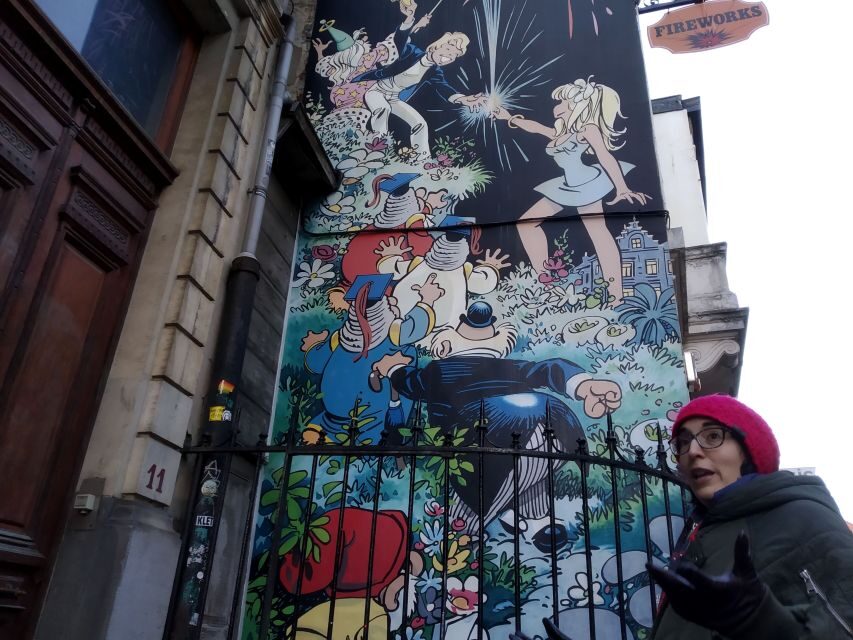
The tour focuses on the main techniques of French-Belgian comics, and that’s where the whole experience gets more useful than a typical mural stroll. Instead of you just staring at art and hoping something clicks, you learn what to look for while you’re still close to the wall.
You’ll likely notice the “how” behind the “wow,” such as:
- how character faces carry emotion through line and expression
- how scenes are staged through composition and spacing
- how speech bubbles and narration are used to pace a story
- how colors and contrast guide your eye
Even without going full art-lecture, this kind of instruction changes your attention. You start comparing one wall’s style to another, and you understand why certain scenes look the way they do. It’s the difference between collecting snapshots and collecting meaning.
And there’s another practical benefit: once you learn the basic techniques, you can apply them afterward. Later that day, you’ll see other comic murals and think, Oh, that’s the same approach the guide taught, rather than just spotting another cartoon.
Beyond the city center: streets that broaden the Brussels picture
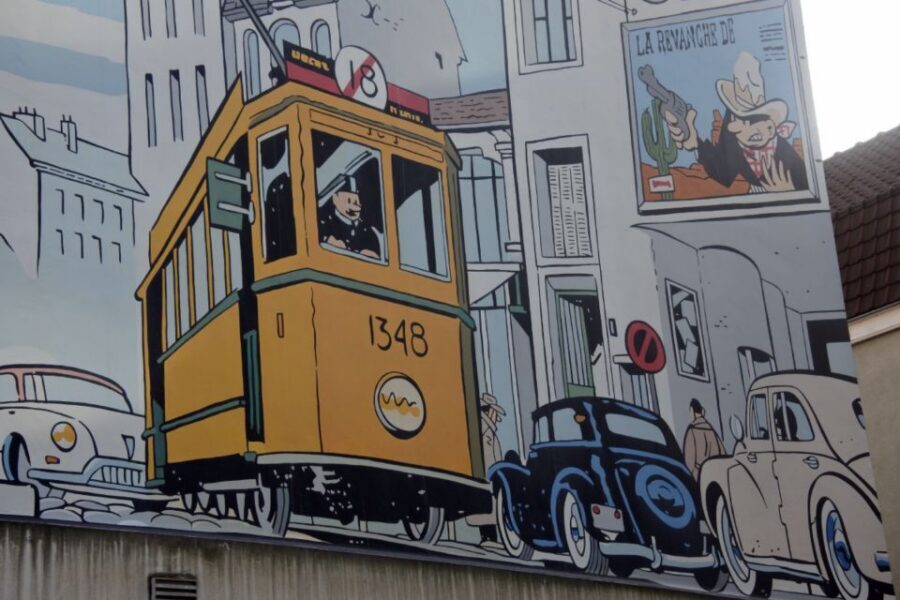
One of the tour’s strengths is that it’s not only about the postcard core. You walk through streets beyond the center of Brussels, which helps you understand the comic-wall idea as part of everyday neighborhoods.
That matters because the best street art experiences don’t just sit in tourist zones. They’re woven into routes people actually walk. When you move away from the busiest blocks, the walls feel less like staged sightseeing and more like the local city making room for its creative identity.
If you’re visiting Brussels for the first time, this is a smart way to get a “second layer” of the city. You still see key comic culture, but you don’t only live inside the busiest grid.




Authors, schools, and where to find comics in your language
The tour also covers the main authors tied to the origins of Belgian comics, plus the “schools” of French-Belgian comics. That part helps you connect styles to specific creative roots instead of treating every mural as the same genre.
The payoff is confidence. After the walk, you’re less likely to feel lost when someone mentions names, periods, or stylistic branches. You’ll know the framework the guide uses to organize the material, which makes it easier to keep exploring on your own.
You even get guidance on where to get comics in your language. That’s a small line in the tour description, but it’s genuinely useful if you want to take something home that matches what you can read. It turns the tour into more than walking—it becomes a plan for the next step.
The guide makes the difference: Samuel’s pacing and Q&A energy
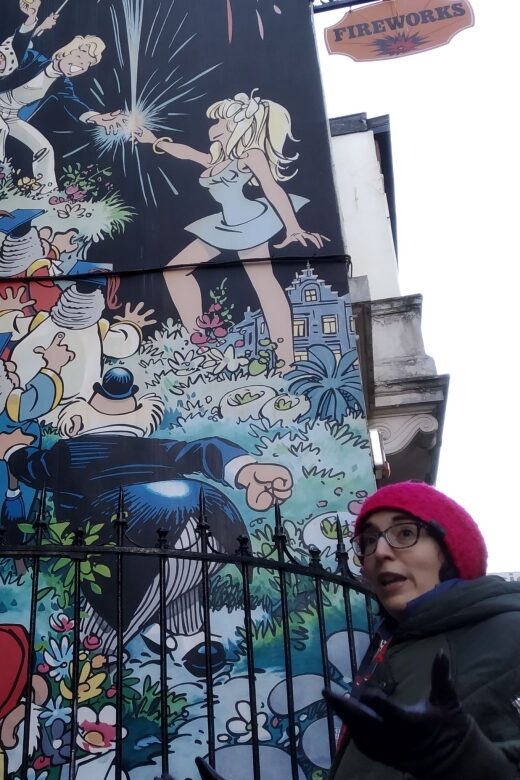
The experience is guided by Curiositas Mundus, and the reviews highlight a particular strength: the guide (named Samuel in multiple accounts) is prepared and engaging. People specifically praised the way he explains details people might otherwise miss.
One theme shows up again and again: pacing. Even when visitors worry about language comfort, Samuel is described as speaking in a way that keeps things understandable, with care about whether everyone is following. That’s not a small detail—it changes how much you actually absorb.
Another praised element is interaction. You’re not trapped in a one-way lecture. The guide answers questions and keeps the walk moving with a dynamic style, which is ideal for a small group.
When 2.5 hours might feel like too much
A fair warning from feedback: a small number of people felt the tour was too long or too detailed.
That doesn’t automatically mean it’s the wrong choice for you. It means you should match your expectations. This is not a “quick walk, take a couple photos” experience. It’s built around learning—history, technique, and context—while you walk.
If you’re the kind of visitor who gets impatient with explanations, arrive hungry for facts or plan it on a day when your brain is fresh. If you’re already tired from museums or long transit, consider pairing it with something lighter afterward.
Price and value: what you’re paying for (and what you get)
The price is $17 per person, and the child pricing is even friendlier: free for ages 0 to 10. From 11 years old and up, the option is 15€. (If you see the tour priced slightly differently in currency, it’s still basically in that same range.)
For 150 minutes, you’re paying for more than a route. You’re paying for a professional guide, plus multimedia support in an app via the provided links (Spanish: https://t.me/curiositasmundusES; English: https://t.me/curiositasmundusEN). In practice, that added material can help you remember points from the walk rather than losing them once you’re back in transit.
The small group size also boosts value. When the max is 25, the guide can keep track of questions and follow-ups without the tour turning into a big, generic script. For many people, that’s the difference between “we saw walls” and “we understood them.”
Practical tips so you enjoy the walk more
This is a walking tour, and the best version of it happens when you set yourself up for comfort.
- Wear shoes you trust for cobblestones and uneven pavement.
- Bring water, especially if you’re going on a warm day.
- Arrive a few minutes early so you don’t stress about finding Rue du Marché au Charbon 40 by the mural de Brousaille.
- If you’re choosing between languages, treat day choice as part of the planning. Spanish runs Thursdays and Sundays.
Accessibility is another practical note. The tour is listed as wheelchair accessible and suitable for reduced mobility or strollers. But it’s also marked as not suitable for visually impaired or hearing-impaired people. If you or someone in your group needs sensory accommodations, it’s worth thinking hard about fit before booking.
Finally, remember that it’s Spanish-only or English-only depending on the day. If your language skills are basic, you’ll still benefit from a good guide who checks comprehension, but you’ll have a smoother time when you match your level to the tour language.
Should you book? Yes, if comics are your kind of city experience
Book this tour if you want Brussels through a creative lens, not just another sightseeing route. It’s a great fit for comic fans, families with kids (free up to age 10), and first-timers who want to see the city beyond the tight center.
It’s also smart if you like learning something you can reuse. After the walk, you’ll look at other comic murals with better eyes—technique, style, and context will come faster.
Skip it if you want a quick, low-effort stroll with minimal talking. And if you need accommodations for vision or hearing, this one is explicitly not designed for that.
If you’re on the fence, here’s the deciding question: do you enjoy street art when it comes with story and craft? If yes, this is a strong choice.
FAQ
What language is the comic book walls walking tour offered in?
The tour runs in Spanish or English only. Spanish is scheduled on Thursdays and Sundays.
How long is the tour?
The tour duration is 150 minutes.
How much does it cost?
It is priced at $17 per person. The child option is free for ages 0 to 10, and from age 11 and up the option is 15€.
Is the tour free for children?
Yes. It is free for children from 0 to 10 years old.
Where is the meeting point?
Meet at Rue du Marché au Charbon, 40, next to the mural de Brousaille. The guide from Curiositas Mundus will have a distinctive marker.
How big is the group?
The maximum group size is 25 people.
Is the tour wheelchair accessible?
Yes, it is listed as wheelchair accessible.
Is the tour suitable for visually or hearing-impaired visitors?
No. It is not suitable for visually impaired people or hearing-impaired people.