REVIEW · ANTWERP
Antwerp: Private Historical Highlights Walking Tour
Book on GetYourGuide →Operated by Legends Experiences · Bookable on GetYourGuide
Antwerp tells stories on every corner. This private 2-hour walk pulls you through Antwerp’s medieval streets and Baroque landmarks with local legends and practical context that makes the city click fast. It’s guided in Spanish, Dutch, or English, and it keeps moving at a good walking pace so you see a lot without feeling rushed.
I especially like the way the tour anchors big sights to specific places you can point at: Grote Markt first, then church after church, and the trading-power era behind it all. I also like the personalization part, since the guide can steer the conversation toward art, architecture, and even food suggestions like Belgian waffles if that’s your style.
One possible drawback: this is a walking-focused tour in rain or shine, so if you want long inside time in museums or a guaranteed end-of-tour drink, you may feel the 2 hours are simply too short.
In This Review
- Key highlights to know before you go
- Walking the Historic Core With a Guide Who Keeps It Practical
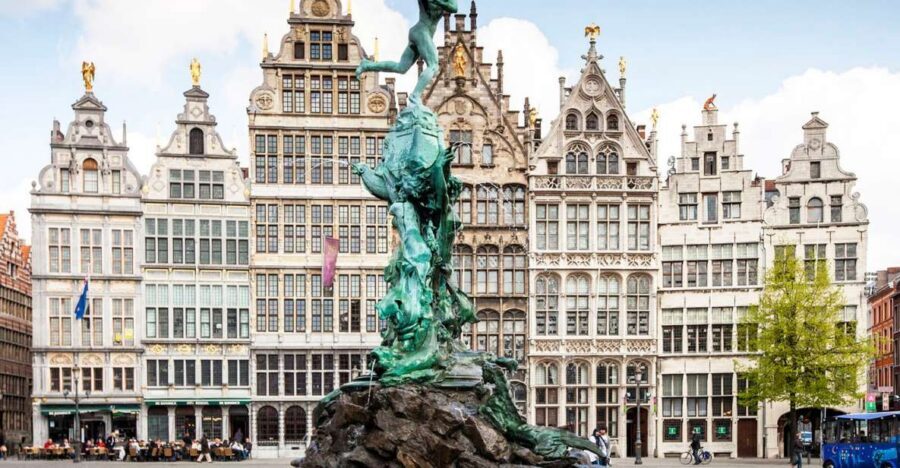
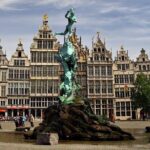
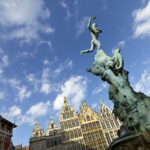
- Grote Markt: Guild Houses and the Brabo Fountain Story
- Hendrik Conscience Statue and a Baroque Church Nearby
- Carolus Borromeus Church: Baroque Details That Make Sense
- Handelsbeurs Antwerpen: Antwerp’s Trading Power, Explained Simply
- Rubens House: The Painter Behind the City’s Big Style
- MoMu Fashion Museum Stop and How It Fits Antwerp
- Museum Plantin-Moretus: UNESCO and the Power of Print
- Vlaeykensgang and Nello & Patrasche: The Alley You’ll Want to Photograph
- Cathedral of Our Lady: Construction History and Curious Details
- Price, Time, and What Value Looks Like at $206 for Up to 2
- Should You Book This Antwerp Historical Highlights Walking Tour?
- FAQ
- How long is the Antwerp private historical highlights walking tour?
- Where do we meet the guide?
- What languages are available for the live guide?
- Is the tour wheelchair accessible?
- Does the tour run in bad weather?
- What should I bring?
- What is the cancellation policy?
Key highlights to know before you go
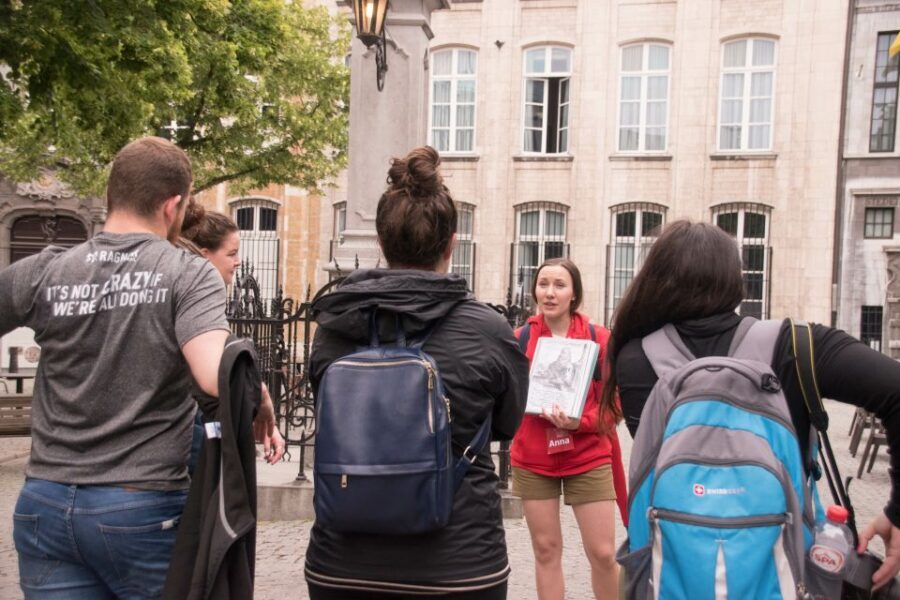
- Private and customizable for up to 2 people, so you’re not squeezed into a big group rhythm.
- Grote Markt opens the tour with guild houses, the City Hall area, and the Brabo Fountain story.
- Carolus Borromeus Church brings the Baroque details to life with clear explanations.
- Handelsbeurs Antwerpen connects Antwerp to early global trading ideas, often described like the world’s first Wall Street.
- Vlaeykensgang and Nello & Patrasche give you that “wait, where is this place” alley moment with a ready camera spot.
- UNESCO at Museum Plantin-Moretus gives you a sense of Antwerp’s role in printing and ideas, not just buildings.
Walking the Historic Core With a Guide Who Keeps It Practical
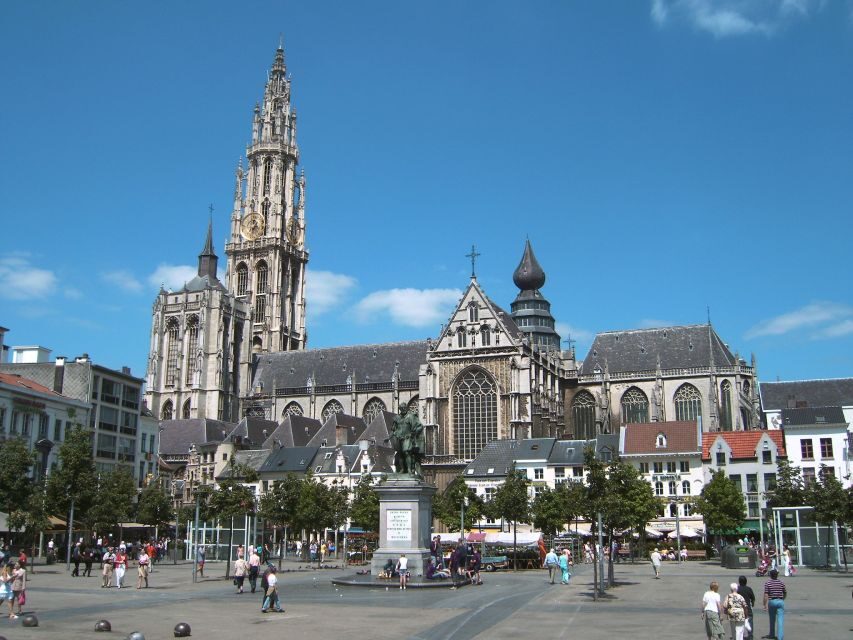
Antwerp can look postcard-perfect and still be hard to understand. That’s where a private guide earns their fee. In a couple of hours, you get a clear thread through centuries: medieval civic power, guild life, Baroque art, and the city’s role in international trade. You’re not just ticking boxes. You’re learning what to notice while you walk.
The format matters. This is a private group for up to two people, which means you can ask questions and get answers that match what you care about. A big group tour often forces you to accept a script. Here, you can steer the pace toward architecture, stories, or cultural stops like museums and churches. Languages offered are Spanish, Dutch, and English, so you’re not stuck translating in your head.
It’s also rain or shine, so plan for weather reality. Bring comfortable shoes and expect cobblestones and tight sidewalks around older buildings. If you’re the type who likes to photograph details and read plaques only after someone explains why they matter, this tour fits you well.
You can also read our reviews of more walking tours in Antwerp

Grote Markt: Guild Houses and the Brabo Fountain Story
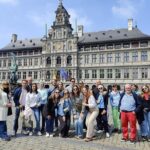
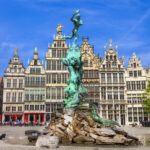
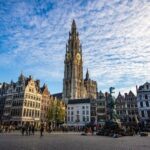
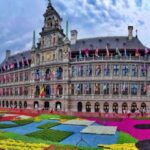
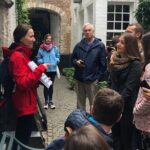
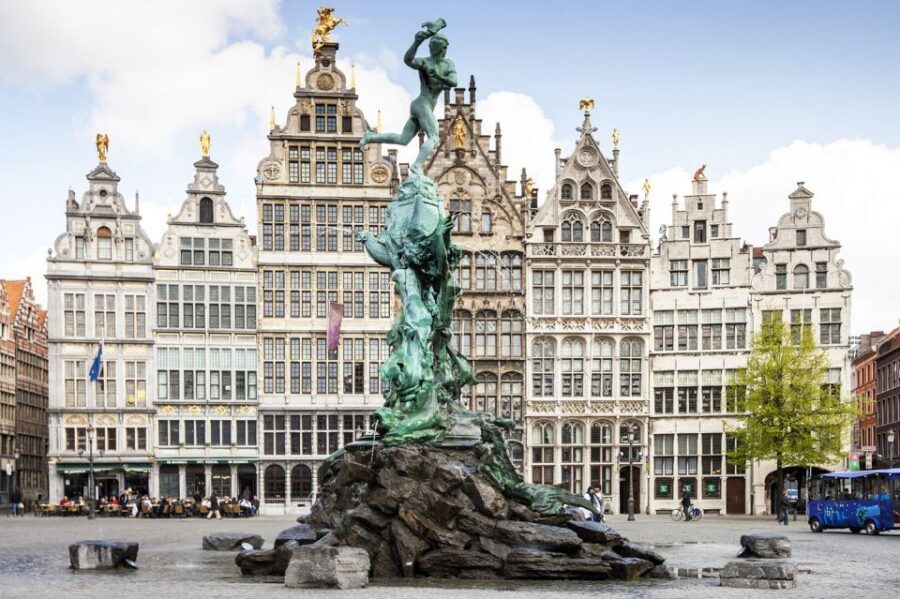
You start in the most obvious place, but the guide helps it stop being just a big square. Grote Markt is where Antwerp’s identity feels concentrated: medieval guild houses, the civic center vibe, and the famous Brabo Fountain in the middle of it all.
Guild houses here are not decorative fluff. They reflect who held power and how craftsmen organized themselves. With a guide, you learn how to read the building shapes and symbolism without needing an architecture degree. You’ll also understand the city hall area as part of the same story, not a separate stop.
Then comes the Brabo Fountain, which matters because it’s tied to local storytelling. Even if you know Antwerp is Dutch-speaking today, this fountain connects you to older legends and the way cities use public monuments to teach values. The guide’s job is to translate that into something you can remember as you walk away.
Practical tip: give yourself a moment to look up. Many details sit high on façades, and starting here means you’re training your eye right away.
Hendrik Conscience Statue and a Baroque Church Nearby
Next you head toward the Hendrik Conscience statue. It’s a good pivot point, because it connects literature to the physical city. You’re not just passing monuments. You’re learning why names on statues show up in the story of Flemish identity.
From this area, the tour includes a Baroque church and the old city library. The value here is how the guide ties the buildings together as a functioning urban ecosystem. Libraries weren’t silent backrooms; they were part of how a city preserves and shapes ideas. Churches weren’t only religious spaces; they were major players in art, patronage, and civic meaning.
If you like context, this section is a win. Even if your main interest is architecture, you’ll leave knowing what kind of “intellectual Antwerp” people were building alongside the merchant Antwerp.
This stop also helps you break out of one-trick viewing. After the big open square, these more specific landmarks make you slow down and notice craftsmanship.
Carolus Borromeus Church: Baroque Details That Make Sense
Antwerp has Baroque energy, but it can feel overwhelming if you don’t know what you’re looking at. Carolus Borromeus Church fixes that. The tour focuses on the 17th-century Baroque details and helps you understand why those details were used in the first place.
Baroque design is about impact. It wants you to feel something and to interpret space as part of belief and culture. With the guide, you learn which elements to pay attention to and how they connect to the era’s values.
A key benefit of a walking tour is that you see how churches fit into the street plan. You get a sense of the church as part of everyday movement, not a free-standing attraction. That makes it easier to connect the church you’re looking at with Antwerp’s wider style: bold forms, dramatic emphasis, and storytelling through architecture.
If you care about art history, this is one of the most rewarding stops. If you don’t, it still works because the guide explains the “why,” not just the “what.”
Handelsbeurs Antwerpen: Antwerp’s Trading Power, Explained Simply
Then the tour shifts from art to economics at Handelsbeurs Antwerpen, the Bourse of Antwerp. This is where the city’s “global connector” story becomes concrete. The bourse is often described as the world’s first Wall Street, and the guide helps translate that comparison into something you can grasp in a walk.
Why this stop works: it shows how Antwerp’s prosperity wasn’t only about local wealth. It was about international networks. You learn about the trading world of the 16th century and what it means for why the city looks the way it does.
This is also a great moment if you like origin stories. You’ll get the logic behind Antwerp becoming important for international trading, and you’ll start seeing the city’s wealth reflected in the architecture you passed earlier.
Practical note: this is a built environment you’ll want to photograph carefully. Take your time to frame the façade and surrounding angles so you capture the whole structure without distortion.
You can also read our reviews of more private tours in Antwerp

Rubens House: The Painter Behind the City’s Big Style
Next comes Rubens House, tied to Peter Paul Rubens—both the former home and workshop of the painter. This stop is about more than celebrity. It’s about the way a major artist becomes part of a city’s visual language.
The guide shares Rubens’ life story and the secrets behind his success. That phrase matters. Success wasn’t just talent. It was connections, timing, patronage, and the ability to produce work that matched demand. You’ll understand why Rubens mattered to Antwerp and how his influence links back to the Baroque feel you saw at the church.
This section also helps your tour stay coherent. You started with guild power. You moved through churches and civic identity. Now you see the human engine that helped define the look of the era.
If you’re an art fan, you’ll probably walk a little slower here. If you’re not, you’ll still appreciate the way the guide makes it a story rather than a lecture.
MoMu Fashion Museum Stop and How It Fits Antwerp
After the big art and architecture moments, the tour includes MoMu, one of the world’s leading fashion museums. The goal isn’t to turn this into a shopping errand. It’s to show another side of Antwerp’s identity: creativity that continues today.
This is useful if you’re planning the rest of your trip. Antwerp isn’t frozen in the past. The fashion museum stop gives you a reason to think about modern design while you’re still in the historic core.
If you enjoy browsing design spaces, this is a natural point to ask your guide where to look next. If your interest is more historic than modern, you’ll still benefit because you’ll leave with a clearer picture of how Antwerp balances heritage and current culture.
Even better: the tour can be customized, so your guide may emphasize fashion more or less depending on your priorities.
Museum Plantin-Moretus: UNESCO and the Power of Print
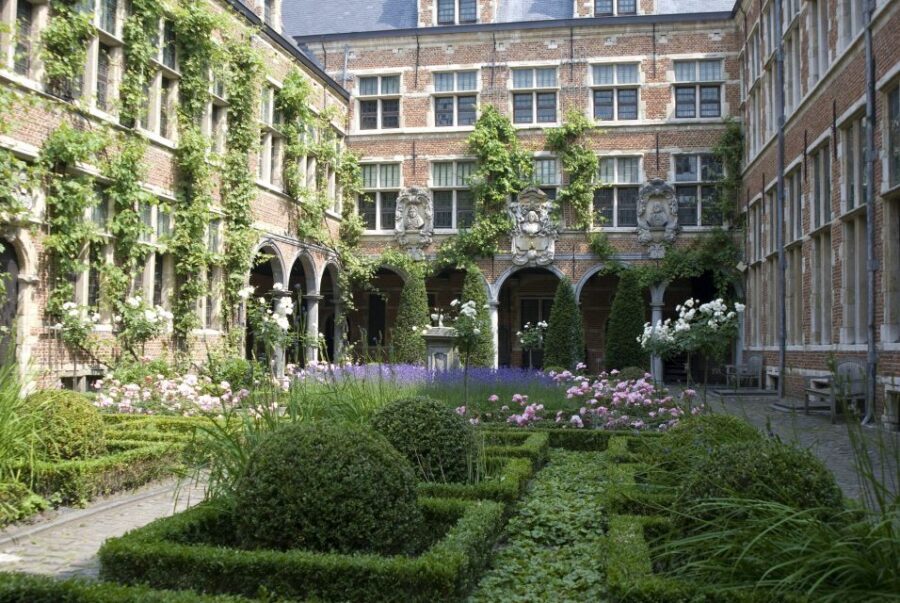
Then you reach Museum Plantin-Moretus, recognized as the first UNESCO World Heritage Site in this context. This stop is a reminder that Antwerp’s influence wasn’t only built in stone. It also spread through printing and publishing.
You’ll get a sense of why this matters: ideas travel because texts travel. The guide connects the museum to Antwerp’s bigger role in the history of information and culture. Even if you only see parts of what’s there from the stop, you’ll come away with enough context to feel oriented later if you decide to spend more time inside.
This is a smart pairing after fashion and before the medieval alley section. You’re moving across “how a city expresses itself”: visual art, design, and the printed word.
If you like history that explains how society worked, this UNESCO moment is a standout.
Vlaeykensgang and Nello & Patrasche: The Alley You’ll Want to Photograph
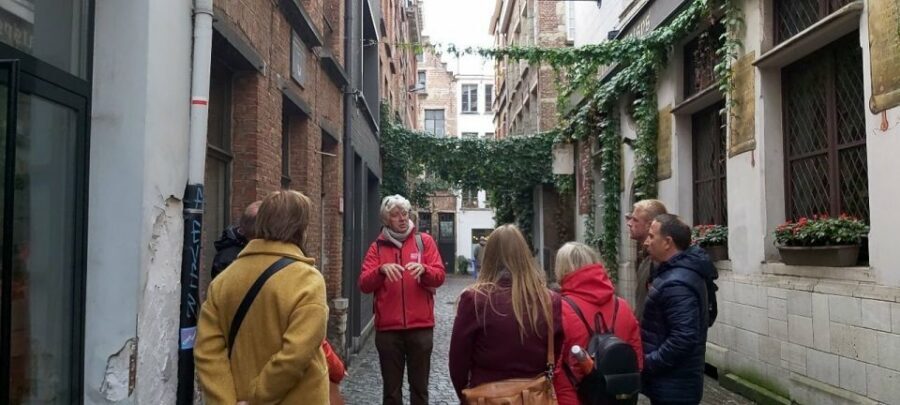
Now the tour does something fun: it walks you through Vlaeykensgang, a secret medieval alley that’s not easy to find on your own. That’s exactly why it matters. You get the experience, not just the destination.
Vlaeykensgang is said to have some of the best-preserved Middle Ages remnants in Antwerp, and it’s often described as the most photographed place in the city. Whether you care about that stat or not, the practical effect is the same: it’s a small, distinctive space where you’ll want your camera ready.
A guide changes your experience here. Without guidance, you might miss the best angles or the reason the alley holds that “time capsule” vibe. With guidance, you understand what to notice about the narrowness, the preservation, and the medieval feel.
Then you reach the Nello & Patrasche Statue. It’s another stop where a story makes the landmark feel alive. You’ll know what’s behind it instead of just snapping a photo and moving on.
Cathedral of Our Lady: Construction History and Curious Details
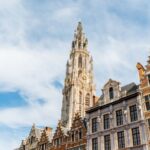
The finish line is the Cathedral of Our Lady, a big name with a big story. Here, you learn the history and curious facts behind its construction. This is a fitting end because it ties together the themes you’ve been hearing all along: civic identity, art patronage, and the long effort required to build monumental structures.
Cathedrals don’t happen quickly, and construction histories often explain why styles vary and why the timeline matters. You’ll likely walk away with a better sense of Antwerp as a city that builds over time, not in one neat campaign.
This ending also works because you’re already in the emotional high notes of the historic center. After Vlaeykensgang and the Nello & Patrasche stop, the cathedral area feels like scale. It reminds you how the small lanes connect back to the major institutions.
If you still have energy after the tour, this is a great spot to continue exploring nearby on your own.
Price, Time, and What Value Looks Like at $206 for Up to 2
Let’s talk value, since $206 is not a bargain-basement price. The upside is that you’re paying for a private guide and a customizable experience for a small group (up to two). If you book for two people, the cost per person becomes much easier to swallow. If you book solo, you’re choosing a higher-priced format for the freedom and attention.
The tour is 2 hours. That’s short enough to fit into almost any schedule, but long enough for a coherent story arc. You’ll cover a route that hits major anchor points: Grote Markt, key Baroque sites, the bourse, Rubens House area, UNESCO at Museum Plantin-Moretus, and the Vlaeykensgang alley segment.
This is the kind of tour that pays off if you want planning help. Instead of spending your first day guessing where to start and what you’re looking at, you get a guided orientation. Then you can go back later to the places that actually hook you.
One thing to keep in mind: the tour includes a booklet with coupons and discounts, which is part of how the overall value gets stretched. It’s not a food tour, and it’s not described as ending with a drink. If you’re expecting a built-in tasting or a guaranteed refreshment, you may want to plan that separately.
Should You Book This Antwerp Historical Highlights Walking Tour?
Book it if you want the quickest path to understanding Antwerp’s layers. This tour is strong on storytelling plus practical orientation: you’ll know what to look at in Grote Markt, you’ll get Baroque explained where it counts, and you’ll see how the city’s trading history and cultural institutions fit together. The private format is also a big deal if you hate being herded.
Skip it only if your idea of a great tour is mostly slow-paced museum time or a big sit-down food experience. With a 2-hour walking schedule, you’ll be moving, and the focus stays on seeing and understanding a lot of the city in a compact window.
If you’re visiting for the first time and you want your second and third hours in Antwerp to feel smarter, this is a solid choice.
FAQ
How long is the Antwerp private historical highlights walking tour?
The tour lasts 2 hours.
Where do we meet the guide?
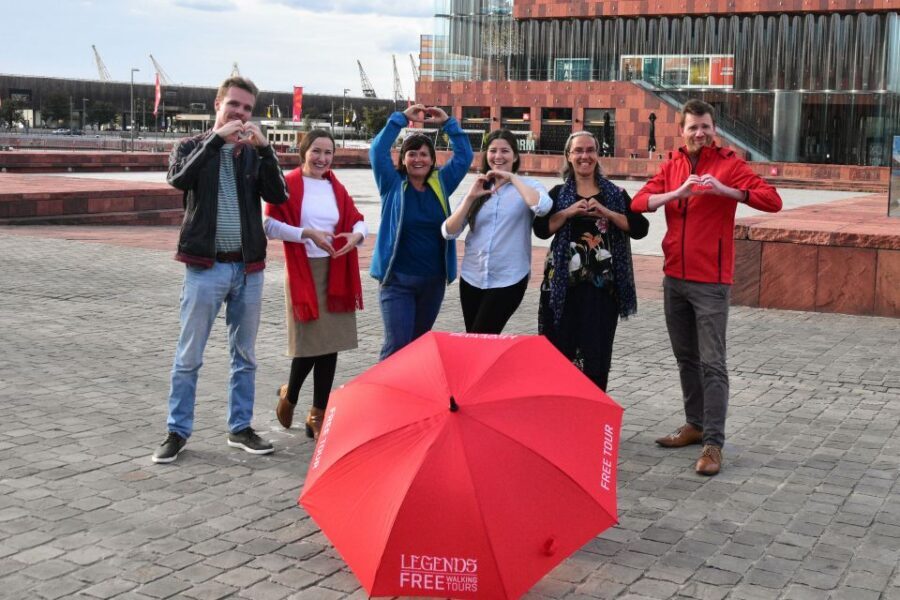
Meet at the statue in Grote Markt Square in Antwerp. Look for the guide with the red umbrella.
What languages are available for the live guide?
The live tour guide is available in Spanish, Dutch, and English.
Is the tour wheelchair accessible?
Yes, the tour is listed as wheelchair accessible.
Does the tour run in bad weather?
Yes. The tour takes place rain or shine.
What should I bring?
Wear comfortable shoes, since it’s a walking tour.
What is the cancellation policy?
You can cancel up to 24 hours in advance for a full refund.