REVIEW · BRUSSELS
THE MOST COMPLETE TOUR of BRUSSELS! + PDF tour guide
Book on GetYourGuide →Operated by AdvenToursBe · Bookable on GetYourGuide
A quick Brussels walk can turn into a real education. This one strings together the city’s biggest icons and several quieter cultural stops, with a guide who keeps the pace friendly and the stories clear. I like the mix of famous sights and local details, and I especially like the PDF tour guide that helps you keep exploring after the tour. One thing to consider: it’s a walking tour with no toilets on the route, so you’ll want to plan for the short break.
You’ll get the full feel of Brussels without spending your whole day in transit. The stops cover classic landmarks like the Grand Place and St. Michael and St. Gudula Cathedral, plus modern pop culture moments like the TinTin mural. As a bonus, guides such as Estref and Ariel bring humor and sharp local recommendations. The only real drawback is time pressure: you get short visit windows, not long museum-style hangs.
In This Review
- Key Highlights I’d Put at the Top
- Why This Brussels Tour Makes Sense in 2.5 Hours
- Meeting at Hôtel de Ville: The Easiest Start on Your First Day
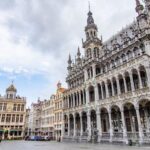
- Grand Place to Everard t’Serclaes Monument: Start With the Right Backdrop
- TinTin Mural and Manneken Pis: Brussels’ Famous Faces
- Notre-Dame de Sablon: Brief Interior Time and a Real Break
- Palace of Justice and Petit Sablon: Power Meets a Slower Pace
- Musical Instrument Museum to Mont des Arts: Culture Without Detouring
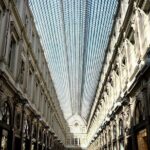
- St. Michael and St. Gudula to Galeries Royales Saint Hubert Finish
- Price, the PDF Guide, and the End-of-Tour Contribution
- What You’ll Learn From Guides Like Estref and Ariel
- Who This Tour Fits Best (And Who Might Want Something Else)
- Should You Book This Brussels Walking Tour?
- FAQ
- Where do I meet the tour guide?
- What time does the tour start?
- What language is the tour offered in?
- What are the main stops on the route?
- Is there an interior visit during the tour?
- Are restrooms available during the tour?
- Does the price include the tour guide and the PDF?
- Is there an extra payment at the end?
- What if I need to change plans?
Key Highlights I’d Put at the Top
- Grand Place + Everard t’Serclaes Monument: the dramatic start that makes the rest of the city make sense
- TinTin mural and Manneken Pis: pop culture and tradition in walking distance
- Church of Notre-Dame de Sablon: you even get a brief interior moment plus a key recharge stop
- Museum of Musical Instruments + Mont des Arts: artsy stops without a separate ticket detour
- Carillon of Mont des Arts + St. Michael and St. Gudula: skyline views and a finish in the Galeries Royales Saint Hubert
Why This Brussels Tour Makes Sense in 2.5 Hours
Brussels can feel like it’s all over the place—big squares, small streets, and then suddenly a cathedral, a museum, or a view worth stopping for. This tour gives you a smart path through it. You start in the heart of the city, then gradually move toward the cultural-and-architectural cluster around Mont des Arts, before finishing in a classic shopping arcade.
I like that it’s not only “look at this, move on.” The guide connects sites to what matters: why the building exists, what people do there, and what to watch for when you’re back on your own. And the PDF is genuinely useful because it gives you a next-step plan: what else to see in Brussels, nearby cities, and practical food ideas.
If you only have a half day, this is a good way to get your bearings fast and avoid the “we saw everything, but I can’t remember why” feeling.
You can also read our reviews of more guided tours in Brussels
Meeting at Hôtel de Ville: The Easiest Start on Your First Day
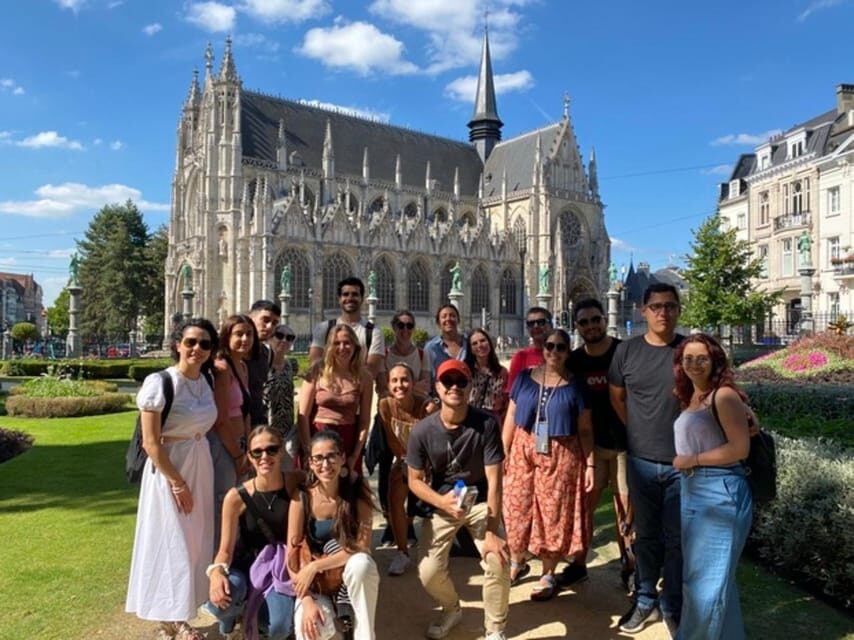
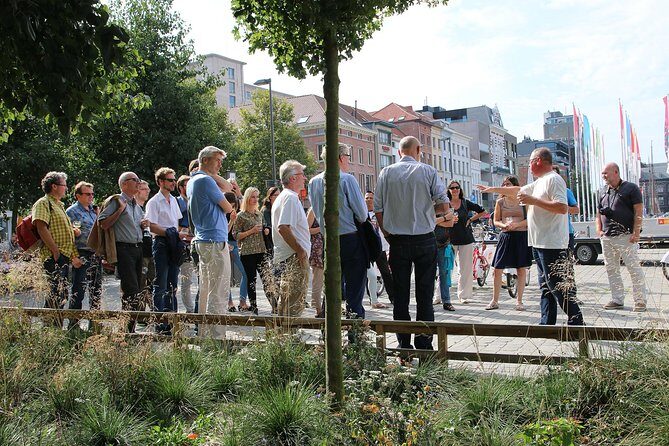
You meet your guide at the door of the Hôtel de Ville on the Grand Place. Look for the guide wearing a red hat with a Spanish drape—easy to spot, even if you’re still fighting jet lag.
This matters more than you’d think. The Grand Place area can be confusing when you arrive. Starting here helps you lock in orientation immediately. You’ll also notice that the tour is designed to keep you moving through the most photo-friendly blocks without wasting time on guesswork.
Bring water. Brussels can get hot in summer, and the tour is walking-heavy. Also keep in mind: there are no toilets on the tour, and there’s only one short stop to stock up on liquids.
Grand Place to Everard t’Serclaes Monument: Start With the Right Backdrop
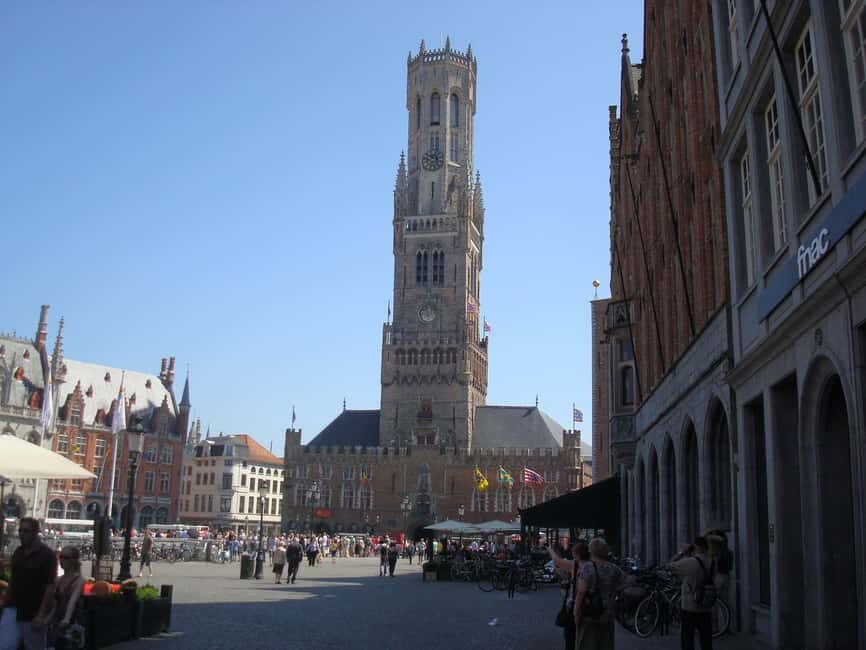
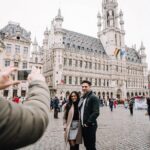
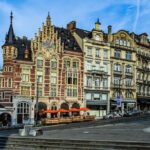
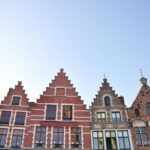
Your first big stop is the Grand Place itself, the iconic square that turns up on postcards for a reason. The guide focuses on what you’re looking at—the mix of styles, the role this square played in city life, and the details that make it feel theatrical rather than just pretty.
Right after that, you’ll move toward the Everard t’Serclaes Monument. Even if you’ve seen statues before, the guide’s angle makes it feel tied to real people and real history, not random stone. You’ll also get a couple of short visits in the immediate area, with quick chances to take photos and reset your legs.
The main trade-off here is time. You’re getting the meaning of places fast, not slow sightseeing. If you love lingering in one spot, you’ll feel a gentle pinch. But for a first visit, it’s a smart way to build context quickly.
TinTin Mural and Manneken Pis: Brussels’ Famous Faces
From classic civic landmarks, the tour shifts into Brussels’ personality.
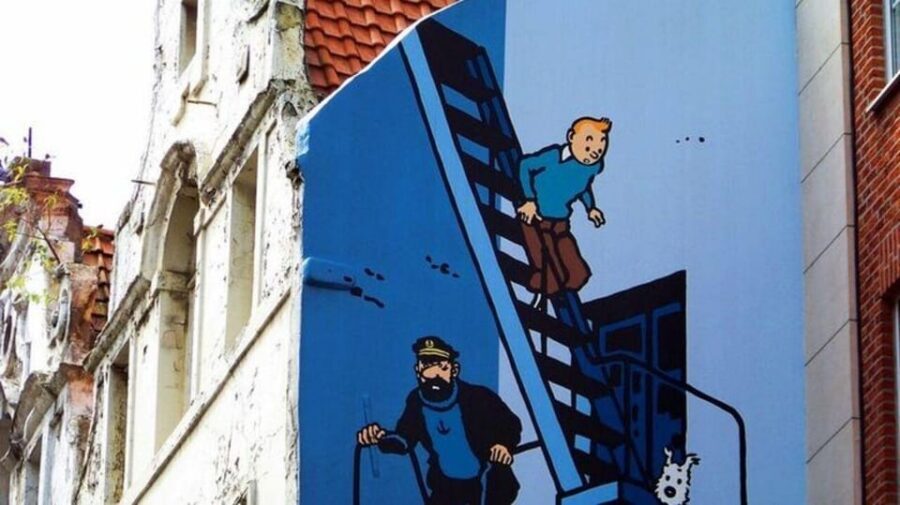
Next up: the TinTin mural. It’s a playful stop, but it also helps you understand how Belgian culture shows up in public spaces. TinTin isn’t just a franchise; it’s part of the city’s everyday visual language.
Then comes Manneken Pis. This is one of those places where people arrive with expectations, then realize there’s a lot more going on underneath the gimmick. The guide helps you read the scene—what makes it symbolically important, and why it stays such a nonstop draw.
Quick tip for your own visit: treat Manneken Pis as a gateway, not the destination. After you leave, you’ll have a better sense of what to look for elsewhere in the city.
Notre-Dame de Sablon: Brief Interior Time and a Real Break
The tour includes a stop at the Church of Notre-Dame de Sablon. This is one of the most practical—and most enjoyable—moments of the walk.
You’ll get time for a 5-minute break and a short interior visit. That brief indoor window is valuable because it breaks up the outdoor walking, gives you a sense of the church’s atmosphere, and makes the surrounding Sablon area feel more meaningful.
One logistics note: this is essentially the one place on the route where you can handle a quick liquid refill. Since there are no toilets during the tour, I recommend using this break to take care of what you can.
Also, entrance to the church may not apply for the 5:00 p.m. schedule, so if you’re choosing a later departure, double-check the specific inclusions for that timing.

Palace of Justice and Petit Sablon: Power Meets a Slower Pace
After Sablon, you head toward Palace of Justice, a major Brussels landmark that brings scale to the tour. The guide focuses on what the building represents and how it connects to the city’s identity as a place of institutions and formality. You don’t need to be a legal history fan to get something out of this stop. It’s the kind of place where the architecture carries the story.
Then you move into Place du Petit Sablon and the surrounding green space at Petit Sablon Park. This is a nice contrast: after all that formal architecture, the pace slows and the area feels more human. If you like photos that don’t look like they were shot in a tourist queue, this section delivers.
If the heat is on, this is also the part of the tour where shade and walking rhythm start to matter.
Musical Instrument Museum to Mont des Arts: Culture Without Detouring
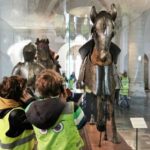
One of the smartest inclusions here is the Museum of Musical Instruments stop. You’re not being asked to do a long museum day, but you’ll get a cultural hit that’s different from the usual “cathedral + square” formula. The guide’s explanations help you notice what you’d otherwise miss.
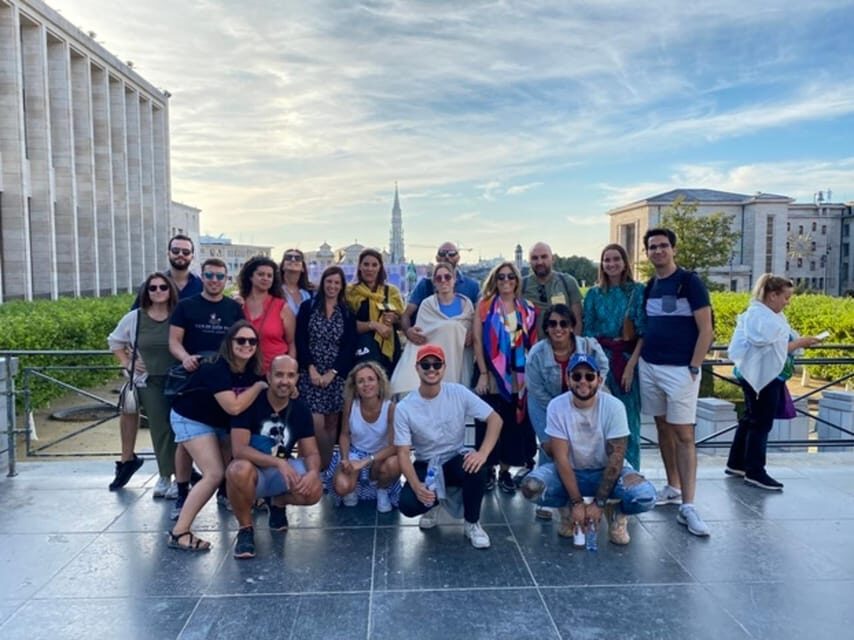
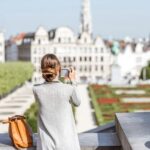
Then the route climbs to Mont des Arts. Even with short stop time, you get the important part: the views and the sense that this is one of Brussels’ key “connections” between neighborhoods and layers of the city.
You’ll also stop at the Mont des Arts Carillon. Carillons are more than bells—they’re part of how cities mark time and identity. It’s the kind of detail that turns a photo into a memory.
Again, the only drawback is the time window: you’ll likely feel like you could spend longer here. The upside is you’ll know exactly what to come back to later.
St. Michael and St. Gudula to Galeries Royales Saint Hubert Finish
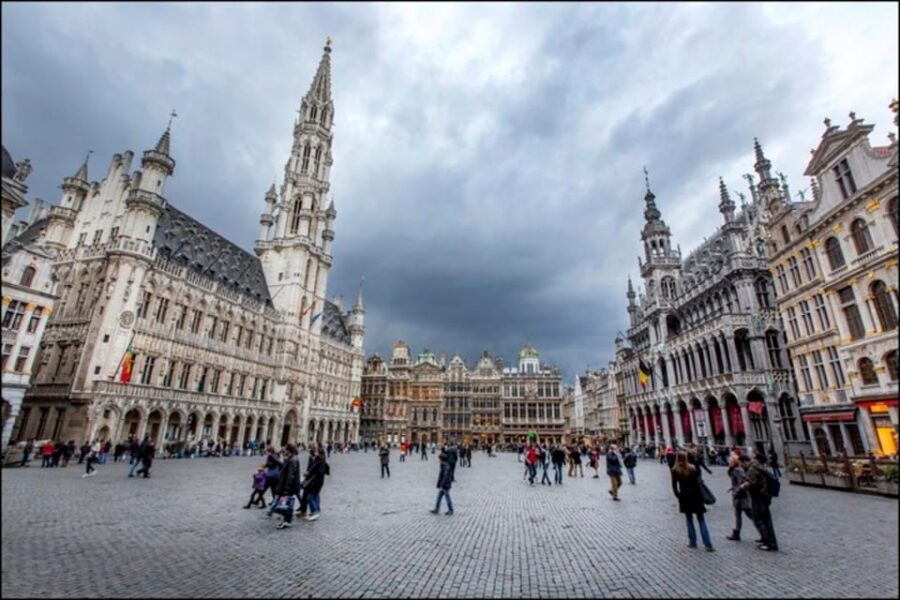
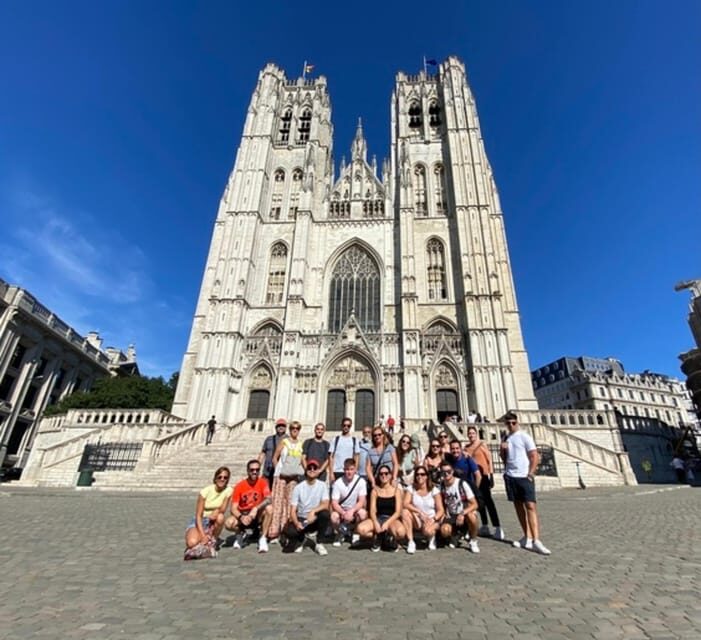
The final stretch wraps up with St. Michael and St. Gudula Cathedral. This stop gives the tour a satisfying “full-circle” feeling: you started with civic beauty and pop-culture personality, and you end with a major religious landmark that reinforces Brussels’ long timeline.
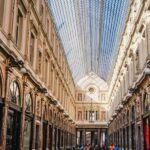
From there, you finish at Galeries Royales Saint Hubert, one of the city’s famous covered shopping arcades. It’s a strong ending point because you can immediately transition into your own plans—coffee, browsing, or grabbing something sweet—without needing to find transport or navigate streets.
This finish area is also great for your photos. You’ll feel like you’re ending in a scene, not just walking out of a stop.
Price, the PDF Guide, and the End-of-Tour Contribution
Let’s talk value, because the number shown for this tour is extremely low. That low base price makes the tour accessible for short stays, but it’s not the whole story.
At the end, you’ll be asked to make a contribution to the tour guide (10–25€). That’s separate from the ticket price. So the real “cost to budget” is base price plus a realistic tip range.
That said, the PDF guide adds real value. It doesn’t just list sites. It also includes:
- What else to see in Brussels
- Nearby cities you can visit
- Best gastronomic recommendations
- Best Belgian chocolate
That combination can save you money and time later, because it helps you decide where to eat and what to buy for gifts—especially if you’re short on days.
If you’re comparing tours, don’t just compare the headline cost. Compare what you get to take with you afterward, plus whether the itinerary includes high-value stops like Mont des Arts and the Musical Instrument Museum.
What You’ll Learn From Guides Like Estref and Ariel
The guides are a big reason this tour earns top marks. I love that the tone stays friendly and practical, not lecture-y. Guides such as Estref and Ariel have a reputation for mixing clear explanations with humor, and that matters. When the guide jokes at the right moments, the city feels easier to read.
You’ll also get question time answered on the spot, which is ideal when you’re the type who wants to know where to go next after the tour ends. A good guide doesn’t only tell you what you see; they help you predict what you’ll like later.
Who This Tour Fits Best (And Who Might Want Something Else)
This is a great fit if you:
- Want a first-day Brussels overview
- Prefer walking tours with a clear route
- Like mixing big monuments with smaller cultural stops
- Want practical ideas for food and chocolate without building a plan from scratch
It’s less ideal if you:
- Hate walking for 2.5 hours with limited pauses
- Need frequent toilet stops (there aren’t any during the tour)
- Want long museum time instead of short, guided windows
If you’re traveling as a couple, solo, or with older teens, this tour usually hits the sweet spot: efficient, readable, and full of highlights.
Should You Book This Brussels Walking Tour?
Yes—if you’re in Brussels for a short visit and you want your time to feel structured and meaningful. This tour is especially worth it because it hits the usual “must-sees,” then adds cultural depth through Sablon, the Musical Instrument Museum area, and Mont des Arts.
Book it if you want:
- A guided route that makes the city’s layout click
- A PDF plan for eating and chocolate after the walk
- A guide who can explain what matters without turning it into a slog
If you’re the type who wants long, slow stops and lots of breaks, you might prefer a slower-paced option. But for most first-time visitors, this is a smart, high-value way to get oriented and leave with a better memory of Brussels than you expected.
FAQ
Where do I meet the tour guide?
You’ll meet your guide at the door of the Hôtel de Ville on the Grand Place. The guide wears a red hat with a Spanish drape.
What time does the tour start?
The tour runs for 2.5 hours, and you can check available starting times when you look at your date.
What language is the tour offered in?
The tour is offered in Spanish and English.
What are the main stops on the route?
Key stops include the Grand Place, TinTin mural, Manneken Pis, Church of Notre-Dame de Sablon, Palace of Justice, Petit Sablon Park, Museum of Musical Instruments, Mont des Arts (including the carillon), St. Michael and St. Gudula Cathedral, and Galeries Royales Saint Hubert.
Is there an interior visit during the tour?
Yes. You’ll have 5–10 minutes for a free interior visit to the Church of Notre-Dame de Sablon. Entrance may not apply for the 5:00 p.m. schedule.
Are restrooms available during the tour?
No. There are no toilets on the tour. There’s only one stop for liquids at the Church of Notre-Dame du Sablon.
Does the price include the tour guide and the PDF?
Yes. The tour includes a professional tour guide and a PDF tour guide for Brussels/Belgium.
Is there an extra payment at the end?
Yes. At the end, you’ll be asked to make a contribution to the tour guide (10–25€).
What if I need to change plans?
You can cancel up to 24 hours in advance for a full refund. The listing also offers reserve now & pay later.
If you want, tell me which month you’re going and your preferred language, and I’ll suggest a good time of day to do this route (based on heat and daylight).