REVIEW · BRUSSELS
Walking Tour with Degustation in the Heart of Brussels
Book on GetYourGuide →Operated by My Super Tour · Bookable on GetYourGuide
Brussels tastes better on foot. This 3-hour walk mixes central landmarks with real-food stories, so you get the why behind Belgian comfort favorites right where you’re standing.
I like the tight focus on classic tastes you can actually order afterward, especially the waffle tasting and other Belgian staples the guide helps you make sense of. I also like that the tour brings in drinks, including the world of monastic Trappist beer, not just sweet stuff and photos.
One consideration: you only get one tasting of food and a drink during the tour, so plan on it as a sample and a guided intro, not a full meal.
In This Review
- Key highlights you’ll care about
- Why This Brussels Food Walk Feels Like a Local Shortcut
- Getting Started at Rue du Marché aux Herbes and the Karel Huls Statue
- Saint-Hubert Royal Galleries (30 minutes): Arcades That Set the Mood
- Toone (20 minutes): A Fast Stop With Storytelling Potential
- Grand-Place (40 minutes): The Square That Puts Brussels in Focus
- Rue de la Fourche (30 minutes): Local Snacks and Real Momentum
- Place de la Bourse (30 minutes): Sights That Match the Food Theme
- Saint Nicholas Church (10 minutes): A Short Stop With Big-Cathedral Lessons
- Pl. des Barricades 4 (20 minutes): Where the City Shows Its Side Streets
- Cathedral of St. Michael and St. Gudula (30 minutes): Gothic Grandeur With a Clear Theme
- Belgian Classics Your Guide Helps You Understand (and Order Later)
- Trappist Beer and Traditional Drinks: The Monastery Backstory You Can Taste
- Price and Walking Time: Is $82 a Good Value?
- Who Should Book This Tour (and Who Might Skip It)
- Should You Book This Walking Tour?
- FAQ
- How long is the walking tour?
- How much does the tour cost?
- Where do I meet the guide?
- What’s included in the price?
- What languages are available for the live guide?
- Is the tour wheelchair accessible?
- What should I bring?
- Do I need to pay right away?
- Is free cancellation available?
Key highlights you’ll care about
- Grand-Place time for atmosphere: about 40 minutes in one of Brussels’ most famous squares
- Royal Galleries + Toone stop: a walk through the city’s classic public spaces with guide storytelling
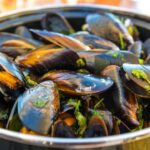
- Belgian classics explained in context: moules frites, carbonnade de la Flamand, waterzooi, and more
- Trappist beer and traditional drinks: you learn the tradition behind the pour
- Quick, photo-friendly stops: churches and squares punctuate the food theme without dragging
Why This Brussels Food Walk Feels Like a Local Shortcut
This tour is built for people who want to see central Brussels while learning how locals think about food and drinks. Instead of a generic sightseeing route, you get a guided thread: where you are, what people eat and drink here, and what makes each dish or drink part of Belgium’s everyday identity.
At $82 per person for 3 hours, you’re paying for more than the food sample. You’re paying for a professional local guide to connect the dots across multiple stops, so the city landmarks don’t feel like random boxes on a map.
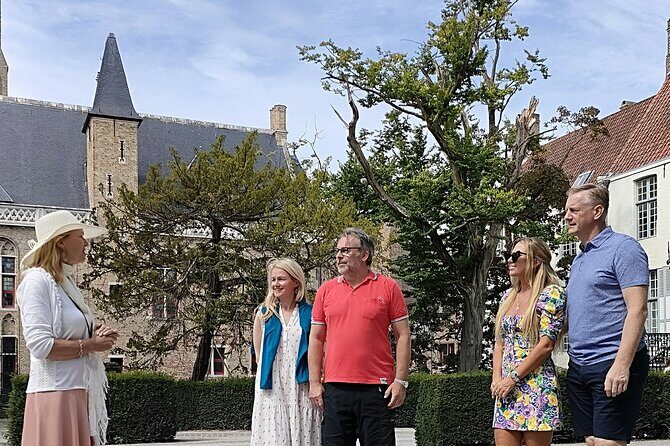
The experience also has a “small-group energy” potential. One booking note mentions the tour became effectively private when the group was just two people, and that’s exactly the kind of situation where questions flow and you get more personalized pacing.
You can also read our reviews of more walking tours in Brussels
Getting Started at Rue du Marché aux Herbes and the Karel Huls Statue
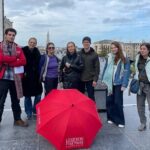
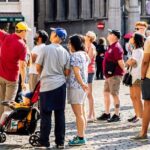
You’ll meet your guide at the statue of Karel Huls, looking for a yellow sign that reads Bruxelle 15:15/My Super Tour. It’s in central Brussels, so you’re positioned well for a mostly walkable loop.
The route starts at Rue du Marché aux Herbes, which is a good choice if you want your day to begin with the city’s “market heart.” From there, the walk quickly shifts into landmarks and tasting moments, so you don’t spend your first half hour just finding your footing.
Practical tip: bring comfortable shoes. This is a walking tour, and the stops are timed tightly. Also bring an umbrella and water, since weather in Belgium can change fast and you’ll want to keep moving.
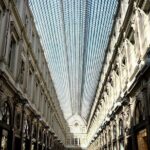
Saint-Hubert Royal Galleries (30 minutes): Arcades That Set the Mood
Your first named stop is the Saint-Hubert Royal Galleries, with about 30 minutes here. This is the kind of place that makes Brussels feel visually “designed,” but your guide keeps it grounded in everyday Belgian culture rather than letting it become only a photo stop.
For you, the value is in how these arcades function as a bridge between sightseeing and food. Even when you’re not eating at that exact moment, you’re learning how the city’s public spaces connect to daily life—where people gather, what they notice, and what traditions still matter.
If you like structure—start here, learn this, then taste—you’ll appreciate this timing. You get enough time to look around without falling into the trap of lingering so long you miss later highlights.
Toone (20 minutes): A Fast Stop With Storytelling Potential
Next is Toone for about 20 minutes. It’s a shorter visit, but those short stops are often the best for adding color. When a guide is good, a quick location can turn into a memorable mini-lesson about how Brussels thinks about culture.
This is also the part of the tour where you’ll likely begin noticing the pattern: food names aren’t thrown at you randomly. The guide ties them to local identity and city stories, which makes the tasting later feel earned rather than accidental.
Don’t rush your camera here. Even if the stop feels brief, it helps to slow down for a few minutes and let the guide point out what matters. That’s usually where the “oh, that’s why” moments happen.
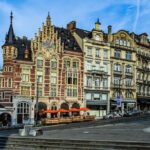
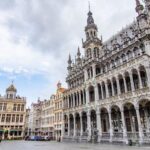
Grand-Place (40 minutes): The Square That Puts Brussels in Focus
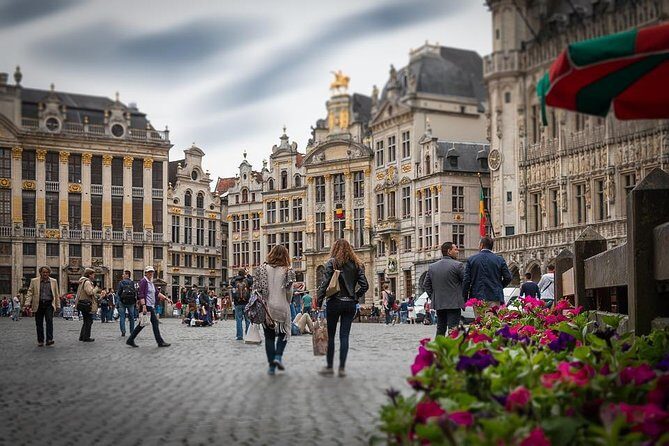
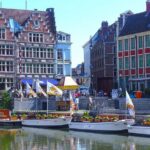
Then comes the Grand-Place, with about 40 minutes. The tour frames it as one of the most beautiful squares throughout Europe, which is a bold claim—but even if you only half-believe it before you go, you’ll understand why people obsess over this spot.
Here’s what I think this stop does well for you: it gives you breathing room in the middle of a food-themed walk. Your guide can talk about city history and the broader Belgian context, while you take in the buildings and the atmosphere.
For a practical approach, use this time to reset. If you’ve been reading a menu in your head, this is when you can start deciding what you want to order later. Since the tour includes Belgian dishes like moules frites and carbonnade de la Flamand in the guide’s explanations, you’ll come out with clearer mental options.

Rue de la Fourche (30 minutes): Local Snacks and Real Momentum
Rue de la Fourche is a key “taste-in-motion” stop, with local snacks for about 30 minutes. This section of the walk matters because it keeps the energy up. Instead of waiting until the end, the tour places food moments during the route.
Even if the tour’s included sampling is limited, the snack segment helps you gauge what you’ll enjoy next time you’re on your own. It’s the difference between tasting once and learning how to shop for more tastes later.
This is also where you’ll probably start to connect the guide’s dish names to what you actually want in your hands. Belgian cuisine is famous for comfort food, but comfort food varies by region and tradition, and your guide helps you understand which flavors belong together.
Place de la Bourse (30 minutes): Sights That Match the Food Theme
You then move to Place de la Bourse for about 30 minutes. This stop doesn’t need to be a major “meal moment” to be valuable. Squares like this are where guides can talk about how city life moves—who gathers, what the day feels like, and how traditions survive next to modern routines.
What you should do here is simple: listen for how your guide keeps tying the conversation back to Belgian staples and traditional drinks. When a tour works, you don’t feel like you’re switching subjects every five minutes. You feel like you’re building one connected story.
If you’re the type who likes architecture but hates long lectures, this is a good balance. You get time to look and time to hear the explanation, without one swallowing the other.
Saint Nicholas Church (10 minutes): A Short Stop With Big-Cathedral Lessons
Saint Nicholas Church gets about 10 minutes. Short stops can be frustrating on slow tours, but on this one, they tend to act like “punctuation.” You get a quick architectural anchor, then you’re back on the food and drink track.
Use this time to do one thing: notice the details you’d normally skip. Even if you don’t know the terminology, your guide’s points help you see what makes the setting feel distinct.
This stop is also a reminder that the tour’s promise is bigger than food. You’re walking through the city’s visual identity, and that helps the tasting make more sense once you’re back to eating and drinking.
Pl. des Barricades 4 (20 minutes): Where the City Shows Its Side Streets
Next is Pl. des Barricades 4 for about 20 minutes. With the kind of timing this tour uses, it’s likely less about one landmark’s headline features and more about giving you a sense of how Brussels feels beyond the most famous names.
I like stops like this because they help you get oriented. After the tour, you’re not only able to find the big sights—you also have a better instinct for where the city’s “everyday” energy lives.
Keep your expectation realistic: you won’t get a long lecture at every stop, and you won’t need to. The point is to keep moving, absorbing, and learning, so you can enjoy Brussels on your own afterward.
Cathedral of St. Michael and St. Gudula (30 minutes): Gothic Grandeur With a Clear Theme
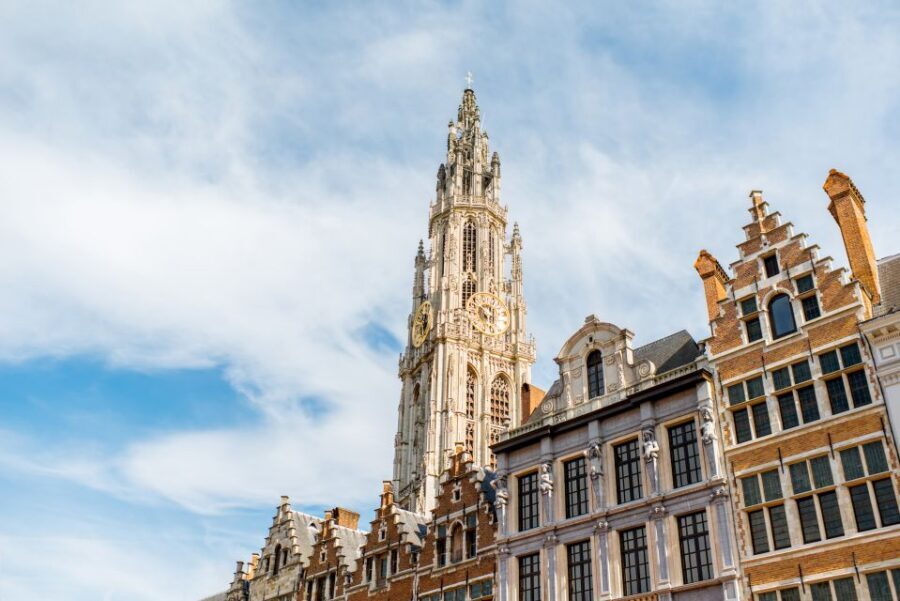
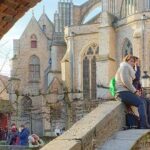
The tour ends at St Michael and St Gudula Cathedral, with about 30 minutes. The guide highlights it as the purest example of Gothic style, as Victor Hugo described. Even if you’re not a Gothic expert, you’ll feel the scale and visual rhythm.
What I like here is that the cathedral visit acts as a natural finish line for the whole experience. You start with lively market vibes, move through arcades and squares, and finish with a major landmark that anchors the city’s cultural identity.
Practical mindset: go slowly for a few minutes. Don’t turn this into another quick photo stop. If you want value, let your guide’s explanation set the scene, then take in the details at your own pace for the last stretch.
Belgian Classics Your Guide Helps You Understand (and Order Later)
One of the most useful parts of this tour is that you’re not just tasting. You’re learning what Belgian dishes are, why they’re paired the way they are, and how to talk about them like you belong.
Your guide covers a set of well-known Belgian staples and also points to traditional national favorites such as moules frites, carbonnade de la Flamand, waterzooi, speculos, cuberdon, and pom cook. You’ll also hear about the usual Belgian favorites people associate with Brussels: chocolate, waffles, French fries, and beer.
A smart way to use this for your own trip: think of the tour as a “menu translator.” Once you learn the names and the logic behind them, it becomes easier to choose confidently at restaurants instead of ordering blindly.
Also, the guide is said to share secrets and history of authentic specialties, including what people should look for and where tourists often miss the point. That’s more practical than it sounds. In food cities, knowing what to order is often half the battle.
Trappist Beer and Traditional Drinks: The Monastery Backstory You Can Taste
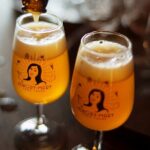
This tour includes a tasting of food and a drink, and it specifically calls out traditional drinks and monastic Trappist beer. That’s a big deal if you like beer culture but find it hard to separate marketing from tradition.
Here’s what you should expect: a guide-led explanation of the world of traditional drinks, with a focus on what makes Trappist beer different in context. Even if you don’t become a beer scholar, you’ll leave with better questions for the next bar you walk into.
One good outcome from a drink-focused lesson: you’ll be less likely to order something randomly. You’ll understand what you’re looking for, which makes your next pour more satisfying.
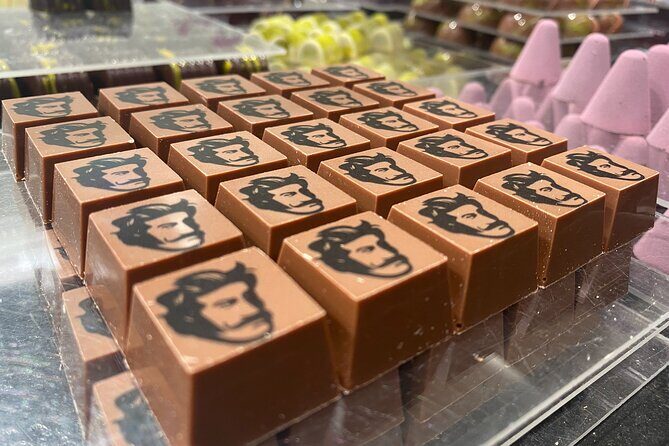
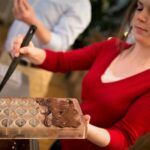
And yes, the experience can be sweet too. A booking note mentions a waffle tasting that was great and delicious, and even if your tasting is not identical to every booking, you should come with the expectation that waffles are part of the food story.
Price and Walking Time: Is $82 a Good Value?
For $82 per person, you’re paying for:
- a professional local guide,
- a structured 3-hour walking route through central Brussels,
- and one food and one drink tasting.
That’s good value if your goal is orientation plus a guided palate reset. It’s not the right deal if your goal is to eat a full multi-course meal. You’ll be well fed enough to enjoy the city and keep going, but not enough to skip dinner.
If you’re on a tight schedule, 3 hours is also a sweet spot. You get multiple landmarks—Grand-Place, Royal Galleries, and the cathedral—without burning a whole day.
Who Should Book This Tour (and Who Might Skip It)
Book this if you want:
- a food-first route through central Brussels,
- guidance in English or Russian with a live guide,
- and a mix of landmarks plus tasting moments.
It’s also a good choice if you enjoy learning names you can use later. Moules frites, carbonnade de la Flamand, and waterzooi are all the kind of dishes you’ll see on menus, and this tour helps you understand what you’re looking at.
Skip it if you need wheelchair access. The tour is listed as not suitable for wheelchair users, so walking ability matters.
Should You Book This Walking Tour?
I’d book it if you want a guided Brussels day that feels both practical and memorable: you’ll walk major sights, learn Belgian food language, and finish with the cathedral after a Trappist beer lesson. For $82, the price makes sense as a guided intro plus a tasting, not as a full dining plan.
If you already know Brussels well and only want the biggest monuments, you might find it a bit too focused on food and drinks. But if you want to leave the city with clearer ordering instincts and a better read on Belgian traditions, this is a strong pick.
FAQ
How long is the walking tour?
It lasts 3 hours.
How much does the tour cost?
The price is $82 per person.
Where do I meet the guide?
Meet at the statue of Karel Huls. Look for the yellow sign Bruxelle 15:15/My Super Tour.
What’s included in the price?
You get one tasting of food and a drink, plus a professional local guide.
What languages are available for the live guide?
The tour is offered with live guiding in English and Russian.
Is the tour wheelchair accessible?
No. It is not suitable for wheelchair users.
What should I bring?
Bring comfortable shoes, an umbrella, and water.
Do I need to pay right away?
You can reserve now and pay later.
Is free cancellation available?
Yes, you can cancel up to 24 hours in advance for a full refund.