REVIEW · ANTWERP
Antwerp: Must-See Attractions Private Walking Tour
Book on GetYourGuide →Operated by Guydeez Tours · Bookable on GetYourGuide
Antwerp starts to make sense fast on foot. This private walk strings together the medieval center, Baroque churches, and the city’s trade and book power, so you’re not just collecting photos. It’s a 2-hour route you can flex to match what you care about most.
I especially like two things: the way the guide explains what you’re looking at as you pass it—think Grote Markt civic life, Rubens connections, and the story behind key statues—and the fact you’ll leave with practical next-step tips for the rest of your day. If your goal is to get your bearings fast and move deeper later, this format works.
One thing to consider: the tour lives or dies by guide fit. The experience can be excellent with a strong, engaging guide (I’ll share examples below), but one account raised concerns about unclear storytelling and missing a clear thread—so it’s worth being ready to ask questions and steer the focus.
In This Review
- Key Highlights You’ll Actually Feel During the Walk
- Why a 2-Hour Private Walk Works in Antwerp
- Meeting at Willem Ogierplaats 3: Getting Oriented Right Away
- Cathedral to MoMu: Antwerp’s Visual Anchors in the First Stretch
- Plantin-Moretus: Where Printing History Feels Real
- Rubens House and Carolus Borromeus Church: Baroque Meets Personal Connection
- Handelsbeurs Antwerpen and the Brabo-Plus Civic Core
- Vlaeykensgang, Hendrik Conscience, and the Nello & Patrache Stops
- Pace, Comfort, and How to Get the Most from a Customizable Tour
- Price and Value: Is $88 Per Person a Smart Spend?
- What the Guides Do Well (Arthur and Shabnam as Examples)
- Should You Book This Antwerp Private Walking Tour?
- FAQ
- How long is the Antwerp private walking tour?
- What does the tour cost?
- Is this tour private?
- Is it only walking, or is public transport included?
- What language is the guide?
- Where does the tour start?
- Is the tour wheelchair accessible?
- Does the tour include food or drinks?
- Can I cancel, and is there a reserve-and-pay-later option?
Key Highlights You’ll Actually Feel During the Walk
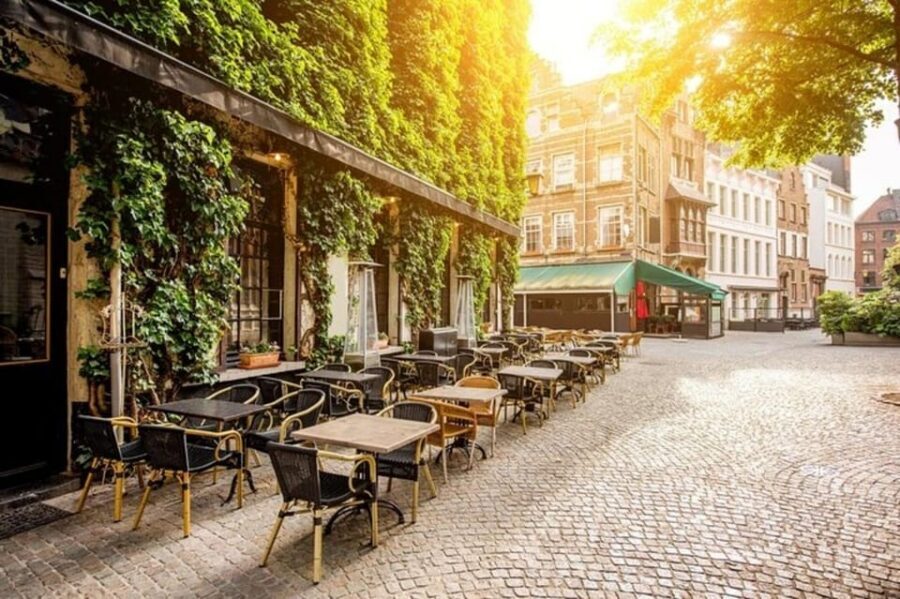
- A private, customizable route with no shared group pressure, so you can slow down for details or speed up through sights
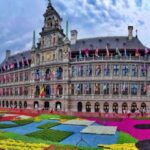
- Grote Markt context around the guild houses, City Hall, and Brabo Fountain, with meanings explained on the spot
- Rubens connections in two styles: Carolus Borromeus Church’s Baroque drama and the story-driven stop at Rubens House
- Trade + printing history in real places at Handelsbeurs Antwerpen and the UNESCO-recognized Museum Plantin-Moretus
- Fashion meets art with a stop at the ModeMuseum (MoMu), not just the usual postcard stops
- Guides who adapt—including examples of clear English and accommodating needs like hearing impairment
Why a 2-Hour Private Walk Works in Antwerp
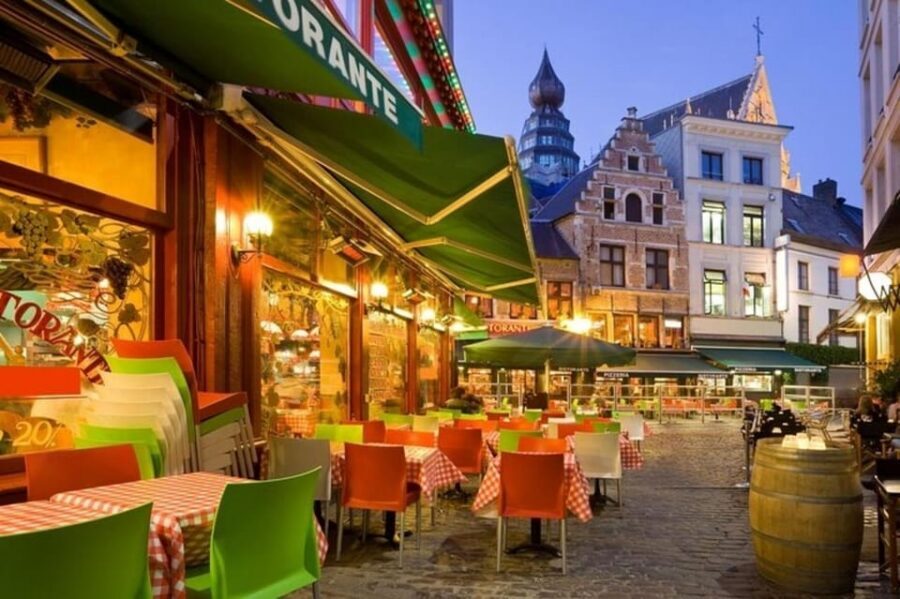
Antwerp is one of those cities where the center looks gorgeous, but it can feel like a blur if you only wander on your own. A tight walking tour solves that. In two hours, you hit the key “anchors” (major landmarks and landmark streets) and you get a story for each one—so later, when you return or explore independently, you recognize the threads.
A private setup is also a big deal here. You’re not stuck following someone else’s pace or interests. If you care more about art, you can ask for more focus on Rubens sites. If you’re more into architecture or book history, you can keep the guide pointed that direction.
You can also read our reviews of more walking tours in Antwerp
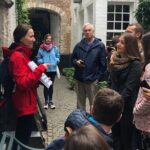
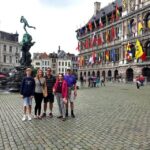

Meeting at Willem Ogierplaats 3: Getting Oriented Right Away
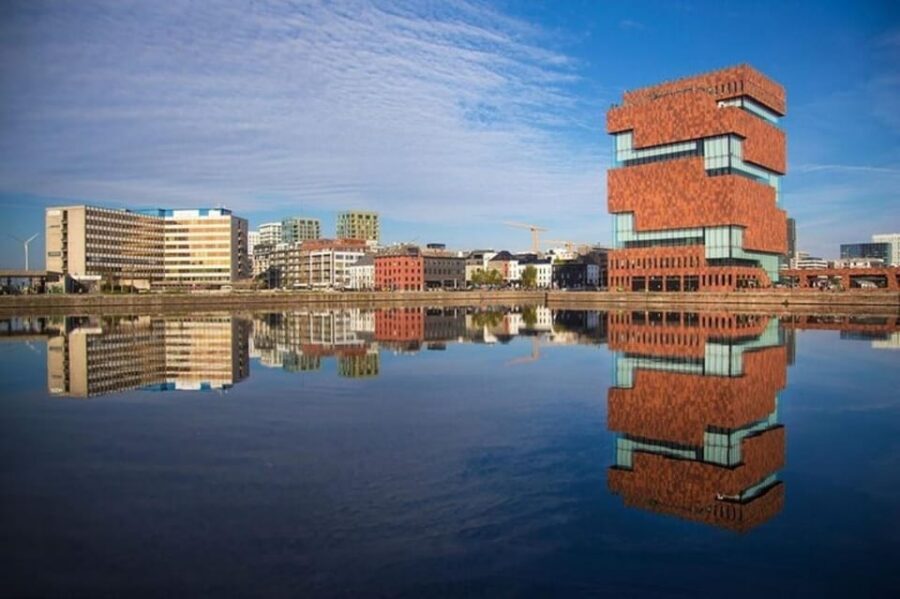
Your tour begins at Willem Ogierplaats 3. That’s useful because it puts you close enough to the historic core that you can walk between major stops without it turning into a long slog.
For your first few minutes, watch what your guide does: the best guides use the early stretch to set “mental landmarks.” You’ll get a sense of where the medieval civic center sits, where the Baroque landmarks belong, and how the later trade-and-printing sites connect to Antwerp’s rise. That matters because Antwerp has layers. The goal isn’t just to see buildings—it’s to understand why they’re there and what they signal.
Cathedral to MoMu: Antwerp’s Visual Anchors in the First Stretch
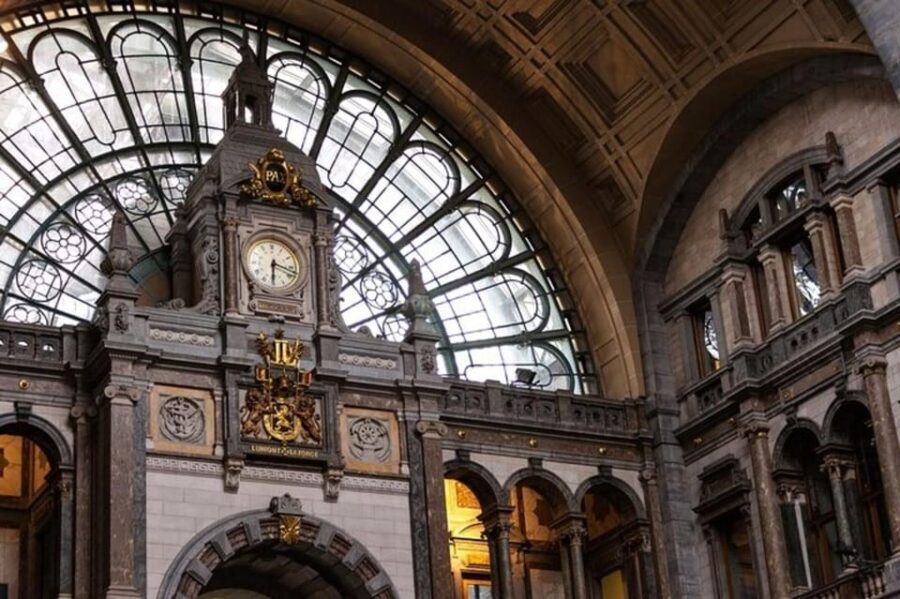
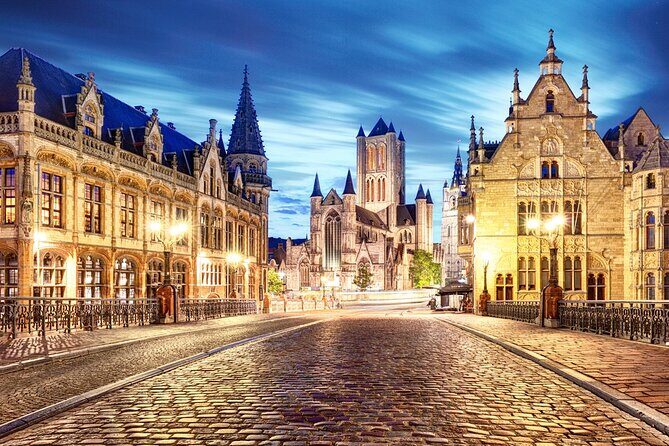
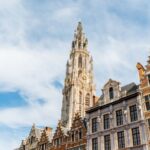
One of the smartest things about this tour is that it starts with big, readable landmarks. You’ll pass the Cathedral of Our Lady Antwerp for a photo stop and guided visit. Even if you already know the city has famous art, the cathedral helps set the scale. It’s the kind of place where you can’t help noticing the contrast between everyday streets and grand, formal religious architecture.
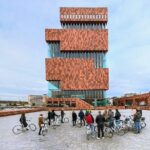
From there, you’ll reach ModeMuseum (MoMu). This is a refreshing inclusion because Antwerp isn’t only about old masters and old stone. It’s also about fashion culture, and MoMu gives you a modern lens without turning the walk into a museum marathon. If you like design, clothing history, or the idea of how cities reinvent themselves, this stop gives you a balanced snapshot.
Practical tip: Antwerp is best when you can read the city in layers—cathedral, museum, then back into the streets. This tour gives you that sequence early, so you don’t feel like you’re constantly restarting your understanding.
Plantin-Moretus: Where Printing History Feels Real
The Museum Plantin-Moretus is the one stop that often changes how people look at a city. It’s UNESCO-recognized, and the value here is not just the label—it’s that you’re seeing the kind of infrastructure that supported knowledge, communication, and influence.
On this walk, you’ll have a photo stop and guided tour time here, meaning you should come out with clearer context: not just that printing happened, but why Antwerp became important enough for a world-class center of books and publishing. If you’re the sort of traveler who likes to understand the “why” behind a place—how economics, ideas, and craftsmanship interact—this is a strong anchor.
A small caution: UNESCO sites can draw crowds, and museum time can feel denser than street stops. If you know you want slower pacing here, tell your guide. Because it’s private and customizable, it’s one of the easiest places to trade minutes with another stop.
Rubens House and Carolus Borromeus Church: Baroque Meets Personal Connection
Antwerp and Rubens are tied together in ways that don’t show up in a quick drive-by. This tour handles that connection with smart variety.
You’ll visit The Rubens House, with a photo stop and guided tour. You’re not just seeing a famous name—you’re connecting the artist’s world to the city around him. Then you’ll head to Saint Carolus Borromeus Church, one of the places where Antwerp’s Baroque feel turns dramatic. The guided piece here connects the church’s elegance to the Rubens legacy, which helps you understand why the building matters beyond its looks.
Here’s the thing I like: you get both the personal (Rubens House as a human-scale window) and the spectacular (the church as a public statement). If you go home thinking Antwerp is only pretty streets, you’ll miss what these stops teach: the city used art and architecture to communicate power and belief.
If you’re art-light: tell your guide you want the simplest, most direct explanations. You’ll still get the payoff—just in a clearer, less academic way.
You can also read our reviews of more private tours in Antwerp

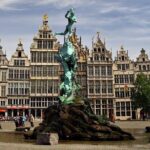
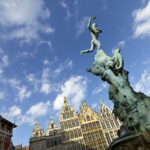
Handelsbeurs Antwerpen and the Brabo-Plus Civic Core
Antwerp’s Golden Age shows up in places that feel almost businesslike. You’ll stop at Handelsbeurs Antwerpen, a historical hub often compared to Wall Street in spirit—an early symbol of organized commercial life and international reach.
The payoff of this stop is the shift in your mindset. Instead of thinking Antwerp only as a craft-and-art city, you see it as a player in global trade. That helps the rest of the city click. When you later notice guild houses or civic buildings, it becomes easier to connect them to money, trade, and influence rather than treating them as decoration.
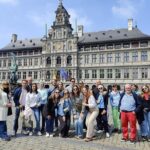
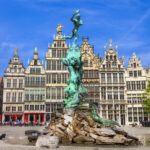
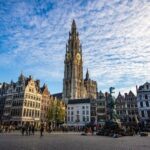
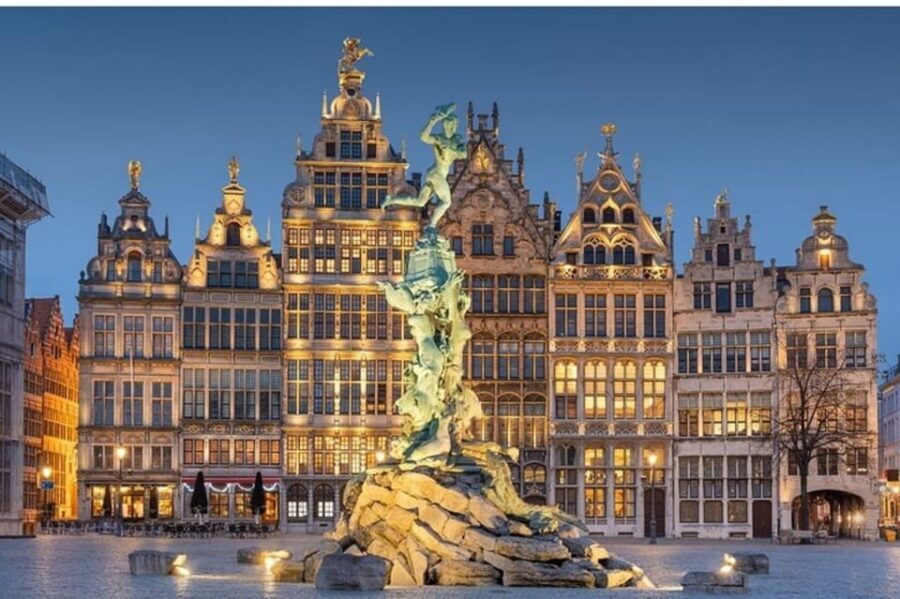
And then, you hit Grote Markt with its medieval charm—guild houses, City Hall, and the Brabo Fountain. This is a classic stop for a reason. But what makes it worthwhile on a guided walk is not the postcard view. It’s the meaning your guide gives to the civic symbols and public artwork. You’ll walk away understanding why a fountain or facade was important to the city’s identity.
Vlaeykensgang, Hendrik Conscience, and the Nello & Patrache Stops
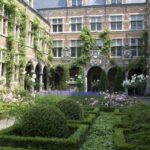
After the big monuments, Antwerp gets more intimate. You’ll spend time in Vlaeykensgang, a medieval alley with its own atmosphere—part backstreet, part living history. This is where you can slow down and notice textures: stonework, narrow space, the way the city compresses itself.
Then you’ll encounter the Hendrik Conscience statue and also the Nello & Patrache statue. These are quick stops on paper, but they help anchor the city in people and stories. Statues in Antwerp aren’t just decoration; they’re signposts to who the city wanted to honor and why.
If you like quirky details and character in your sightseeing, these stops are the moment the tour feels more like a guided walk with personality rather than a checklist. And that matters, because it’s usually where you remember the trip later.
Pace, Comfort, and How to Get the Most from a Customizable Tour
This is a 2-hour walking experience, with each stop structured so you can see a lot without feeling lost. Expect a mix of photo moments, guided viewing, and short walks between points. That pacing works best if you keep your “museum impulse” under control and focus on what the guide is pointing out.
Because the tour is customizable, you can improve the value quickly by choosing your priorities:
- If you love art, spend extra time asking about Rubens connections.
- If you love ideas and culture, lean into Plantin-Moretus.
- If you want modern Antwerp, push for more on MoMu and fashion culture.
- If you want city thinking, ask for the trade and civic-life explanations at Grote Markt and Handelsbeurs.
Comfort-wise, you’ll want shoes you can walk in for the full stretch. And since the tour doesn’t include food or drinks, plan a quick snack before or after. If you tend to get chilly, bring a layer—church visits can be cooler than street level.
Price and Value: Is $88 Per Person a Smart Spend?
$88 per person for a private, 2-hour walking tour doesn’t look cheap until you break down what’s being bought: private guide time, a guided route designed to connect major sites, and help booking tickets for the visits you want.
The biggest value is not just admission access or seeing famous landmarks. It’s interpretation. A good guide saves you from the common trap of standing in front of a building and realizing later that you didn’t understand what you were looking at. If your guide can explain why Grote Markt civic buildings and Brabo Fountain matter, why a church’s Baroque style connects to Rubens, and why Plantin-Moretus and Handelsbeurs reflect Antwerp’s influence, then you’re getting something hard to replicate on your own.
That said, the negative feedback you should take seriously is this: guide quality matters. One account described a guide who didn’t provide much historical detail and lacked a clear thread, turning the experience into more of a basic walk. So if you’re booking, don’t be shy about asking questions early. Your guide should be able to tighten the story fast.
A practical move: if you care about a specific theme (art, printing, trade, architecture, fashion), tell your guide right away. Customization works best when you set the direction early.
What the Guides Do Well (Arthur and Shabnam as Examples)
The experience seems to shine when the guide is both skilled and responsive. One guide named Arthur was highlighted for extremely strong insights into Antwerp and Belgium’s history, plus professional courtesy—he waited for delayed arrivals and didn’t shorten the tour time. That’s a small detail, but it’s exactly what you want from a private guide: fairness and time respect.
Another guide named Shabnam earned high marks for clear, excellent English and adapting to a hearing impairment by speaking clearly. That’s not just helpful—it’s a reminder that the best guides pay attention to how you experience the tour, not just what they plan to say.
So yes, this is a “must-see attractions” tour. But when it’s done well, it also becomes a conversation. That’s the difference between seeing Antwerp and understanding Antwerp.
Should You Book This Antwerp Private Walking Tour?
I think you should book it if you want a guided shortcut through Antwerp’s most important sights in a way that leaves you with context and direction. The private format helps you tailor the walk, and the mix of Grote Markt civic life, Rubens-linked Baroque sites, Plantin-Moretus, Handelsbeurs, plus MoMu and alley stops like Vlaeykensgang gives you a rounded picture.
Skip it or go in cautiously if you’re the kind of traveler who hates any variation in guide style and expects a highly structured lecture no matter who you get. In a private tour, guide fit is everything. If you want the best odds, come with a couple of priorities and ask your first questions early.
If you do that, you’ll likely walk away with a smarter map of Antwerp in your head—and a list of where to spend extra time next.
FAQ
How long is the Antwerp private walking tour?
The tour lasts 2 hours.
What does the tour cost?
It costs $88 per person.
Is this tour private?
Yes. It’s private and exclusive, with no other group members.
Is it only walking, or is public transport included?
It’s a walking tour, and public transport is included as well unless you select one of the options that changes this.
What language is the guide?
The live tour guide is available in English.
Where does the tour start?
The meeting point is Willem Ogierplaats 3.
Is the tour wheelchair accessible?
Yes, the tour is wheelchair accessible.
Does the tour include food or drinks?
No. Drinks and food are not included.
Can I cancel, and is there a reserve-and-pay-later option?
You can cancel up to 24 hours in advance for a full refund, and you can reserve now and pay later.