REVIEW · GHENT
Ghent: Guided Walking Tour
Book on GetYourGuide →Operated by BUENDIA TOURS · Bookable on GetYourGuide
Ghent hits hard fast. This guided walk is a smart way to connect the city’s medieval dots in just two hours, with an engaging guide leading the way to the big-name sights and the stories between them. I especially like the way the stops are organized for quick orientation and the focus on major landmarks like the Belfry and Saint Bavo’s Cathedral.
One more plus: the tour includes clear, practical recommendations for what to do next on your own. The only real drawback to plan around is that accents and pacing can vary by guide and group, and the walk can run a bit later than the scheduled start in some situations.
In This Review
- Key Points Before You Go
- A Fast Two-Hour Orientation to Medieval Ghent
- Getting Started at Sint-Baafsplein (Then Walking with Purpose)
- Belfry of Ghent: The City’s Big-Picture Power Move
- Saint Bavo Cathedral and the Mystic Lamb Story
- Ghent Town Hall and Saint Nicholas: Gothic Civic Life Up Close
- Graslei and Castle Battlements: Classic Views from the Water
- Patershol’s Butchers’ Hall Roof and the Mood of Old Streets
- Old Fish Market and Friday Market Square: Where Daily Life Lived
- Gravensteen: The 13th-Century Fortress Finale
- Food and Beer Tips: Where the Guide’s Local Advice Matters
- Price and Logistics: Value at $17 for a 2-Hour Route
- Pace, Guides, and the One Thing to Watch For
- Who Should Book This Ghent Walking Tour
- Should You Book? My Straight Answer
- FAQ
- How long is the Ghent guided walking tour?
- What does the tour cost?
- What languages are the guides available in?
- What’s included in the price?
- Are food or museum entrances included?
- Where does the tour start and where does it end?
- What should I bring?
- Are pets allowed?
- Do I need to worry about timing or schedules?
- Can I cancel for a refund?
Key Points Before You Go
- Belfry, Town Hall, and Saint Bavo’s Cathedral in one tight route
- Van Eyck connections, including the Mystic Lamb painting site
- Local context on why Ghent locals became known as noose-bearers in the Charles V era
- Patershol and medieval food culture, with the Great Butchers’ Hall roof detail
- Graslei and castle battlements along the water for classic postcard views
- A guide who swaps facts for real recommendations, including lunch ideas and Belgian beer
A Fast Two-Hour Orientation to Medieval Ghent
If Ghent is new to you, this tour is built for that exact moment when you want a map in your head, not just a list of monuments. You’ll walk through the core of one of Europe’s best-preserved medieval city centers, guided by someone who can explain why these buildings matter and how they fit together.
I like that the experience doesn’t stop at show-and-tell. You get historical framing for the big sights, plus practical next-step suggestions so you’re not stuck guessing where to eat, what to skip, or which museum might actually match your interests.
At $17 per person for a two-hour guided walk, this is also the kind of value that makes sense on a short itinerary. You’re paying for a knowledgeable local storyteller and a route that keeps you moving efficiently. Since it doesn’t include museum tickets or food, you’ll still want to plan those separately—but the tour does a good job pointing you in the right direction.
You can also read our reviews of more walking tours in Ghent



Getting Started at Sint-Baafsplein (Then Walking with Purpose)
Most departures connect you to the historic core around Sint-Baafsplein. From the first minutes, you’re set up to understand the city’s “why here” logic: civic power, religious importance, and merchant wealth all show up within a walk you can actually finish before your legs complain.
Bring comfortable shoes. You’re on cobblestones and uneven sidewalks for a meaningful stretch, and the tour is paced as a group effort. If you go in wearing the wrong footwear, the tour becomes work instead of travel.
Also check language details when you book. The guide is available in English or Spanish, so pick based on what you’ll feel most comfortable asking questions in. The best moments tend to be when you ask something specific—how a landmark worked, why a nickname stuck, or what you should prioritize next.
Belfry of Ghent: The City’s Big-Picture Power Move
The Belfry of Ghent is your first major “wow” stop, and it’s more than a tall tower you photograph from the street. It’s a signal of medieval civic identity—Ghent wanted you to see that it mattered.
During the guided time here, you’ll get context that makes the rest of the walk click. Once you understand that this city didn’t just build churches, you start noticing how often civic life and public authority show up in architecture and location.
This is also a good spot to take a breath. The tour keeps moving, and a short stop like this helps you reset before heading into the religious and artistic anchor of the day.
Saint Bavo Cathedral and the Mystic Lamb Story
Saint Bavo’s Cathedral is where Ghent leans into art and meaning, not just stone and street names. You’ll spend guided time here with a clear thread to the Van Eyck brothers and their famous work, The Adoration of the Mystic Lamb.
What I like about this stop is that it’s connected to the rest of the city. It’s not treated like a standalone museum substitute. The guide helps you understand why the cathedral matters in Ghent’s identity, so when you later decide whether you want deeper museum time, you’ll have a better sense of what you’re looking for.
If art is one of your travel “drivers,” this is a high-value moment. Even if you don’t plan to go inside every exhibit, you’ll leave knowing the name behind the landmark and why it’s a big deal.
Ghent Town Hall and Saint Nicholas: Gothic Civic Life Up Close
Next comes Ghent Town Hall. You’ll look at a façade that mixes Gothic and Renaissance influence, and that combination is part of the story of Ghent itself—an evolving city that kept building while Europe’s tastes changed.
Then you shift to Saint Nicholas’ Church, where you’ll see the surrounding institutional power of the area. A nearby highlight is the Masons’ Guild House, and the guided explanation helps you understand what guilds meant in daily life. This is one of those places where a quick guide talk turns architecture from decorative into functional.
If you’re the type who wonders how people organized themselves before modern governments, this is a great stretch of the walk. You’ll come away with more than facts—you’ll understand the social structure that built these places.
You can also read our reviews of more guided tours in Ghent





Graslei and Castle Battlements: Classic Views from the Water
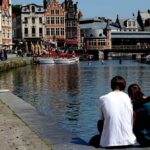
Graslei is one of those stretches where Ghent starts feeling cinematic. Standing by the embankment, you can see why this city is photographed so often: the waterfront setting brings an instant sense of place.
The guide points out major details connected to power and defense, including the battlements of the Castle of the Counts nearby. This stop makes medieval Ghent feel like more than a collection of famous buildings. You see how geography and authority worked together.
I find waterfront stops especially useful on a walking tour. You get a breather, a reset for your eyes, and a set of views you can revisit later at a slower pace on your own.
Patershol’s Butchers’ Hall Roof and the Mood of Old Streets
Patershol is where the mood changes. This neighborhood is known for its old-world streets and historic architecture, and it’s a great contrast after the larger civic and religious landmarks.
You’ll get to see the open wooden truss roof of the Great Butchers’ Hall, which is exactly the kind of detail that’s easy to miss if you’re only moving quickly. Here, guided time helps you notice what matters: structural beauty, old craftsmanship, and how market-life shaped the neighborhood.
Patershol is also the kind of area where you can wander a bit after the tour, because you’ll already understand what you’re looking at. This is one of the best neighborhoods on the route for solo follow-up time.
Old Fish Market and Friday Market Square: Where Daily Life Lived
Next up: the Old Fish Market area and the Friday Market Square. These are the spots where you get a feel for how Ghent worked day to day—trading, selling, and socializing around goods.
The guided talk helps tie the market spaces to the city’s medieval economy and civic rhythm. Even if you’re not shopping, the atmosphere of places like this tends to make the history feel less abstract.
If you want lunch ideas for after the tour, this is a good time to ask your guide. The tour includes recommendations, and the best suggestions usually come when you can already picture the neighborhoods you’ll be walking through later.
Gravensteen: The 13th-Century Fortress Finale
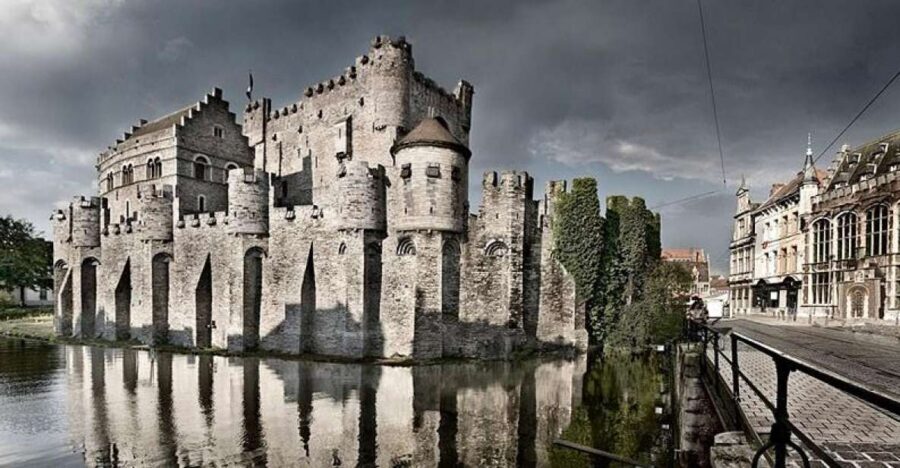
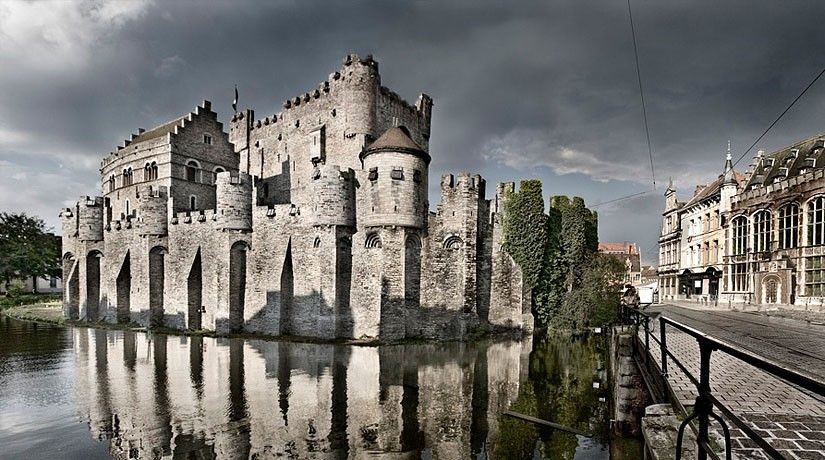
The walk concludes at Gravensteen, Ghent’s medieval castle fortress. It’s known as the Castle of Gerald the Devil, and it’s described as a 13th-century site, which gives you a satisfying end point to the story arc.
Even if you don’t go inside, this is a strong “last stop” energy. The castle brings everything together: defense, authority, and the kind of power that shaped medieval life.
One caution: your tour ending point can vary depending on the exact option booked. The schedule lists a finish at Gravensteen, while the general activity note says the tour ends back at the meeting point. When you book, double-check the confirmation so you know how the route is stitched together.
Food and Beer Tips: Where the Guide’s Local Advice Matters
The tour includes food guidance and Belgian beer suggestions, and this is where you can turn a short guided walk into a full day in Ghent.
You’ll hear about typical Flemish food options, plus a beer stop idea connected to the famous shoe pub: De Dulle Griet, often referenced in relation to the beer culture of Ghent. Even if you don’t go that exact night, it’s a good clue that you should look for pubs that feel rooted in place, not just in menus.
Practical move: if you’re planning lunch after the tour, ask your guide for recommendations that avoid the most tourist-heavy lanes. The value of this tour is partly that you get a direction toward where locals eat—so you spend less time searching and more time enjoying.
Price and Logistics: Value at $17 for a 2-Hour Route
Let’s talk value. At $17 per person for about two hours, you’re paying for:
- a structured route through the medieval core
- a live guide in English or Spanish
- monument context you can’t get from a quick photo stop
- recommendations for meals, beer, and what to do next
Not included: food and museum entrance. That’s normal for walking tours, and it’s not a deal-breaker. It actually helps you stay flexible. You can decide right after the tour whether you want to spend extra time at one or two priorities.
Group walking tours also work best when you accept that you’ll move at a set pace. If you love stopping to read every plaque, you might feel rushed. If you prefer to see the city’s structure and then choose your own deep dives, this format is a good match.
Pace, Guides, and the One Thing to Watch For
The guide experience is a highlight of the tour. In particular, the strongest notes point to guides who are friendly, humorous, and genuinely interactive. Names that pop up include Mark, Bruno, Pablo, and Lucas, and the common thread is clear: they make the walk fun, not just factual.
One consideration: accents can be hard to follow for some group members, and starting times can slip a bit on busy days. If you’re sensitive to language nuance or you’re working with tight schedule constraints, give yourself some buffer.
Tip: come with questions. The tour is set up so you can ask about monuments, museums, and what to prioritize later. When you ask, the tour becomes less like listening and more like learning what you personally care about.
Who Should Book This Ghent Walking Tour
This tour fits best if you:
- want a quick orientation to medieval Ghent without wasting time
- care about major monuments and the stories behind them, including the Van Eyck connection
- like getting practical recommendations for lunch and Belgian beer
- want to walk away knowing what to pick for the rest of your day
It may not be ideal if you:
- need a lot of inside time at museums during the two hours
- prefer total silence and solo pacing
- have very specific accessibility needs (the tour mainly emphasizes walking with comfortable shoes)
Should You Book? My Straight Answer
Yes, I’d book this tour if you have limited time and want the city’s highlights stitched into a coherent story. The route hits the key civic and religious anchors, adds neighborhood texture in Patershol, and finishes at Gravensteen so your last impressions are strong.
If you can only do one guided thing in Ghent, this is the kind of “starter tour” that actually sets you up for better independent exploring afterward.
If you have more time and want deeper museum time, you can still book it—but then plan to use your own schedule to revisit the one or two stops that grab you most.
FAQ
How long is the Ghent guided walking tour?
The tour lasts about 2 hours.
What does the tour cost?
It’s priced at $17 per person.
What languages are the guides available in?
The guide is available in English and Spanish.
What’s included in the price?
The price includes a live guide (English or Spanish) and recommendations about the city.
Are food or museum entrances included?
No. Food and entrance to museums are not included.
Where does the tour start and where does it end?
The meeting point can vary depending on the option booked. The itinerary lists Gravensteen as the finish, while the activity notes say it ends back at the meeting point—check your booking confirmation for the exact route.
What should I bring?
Wear comfortable shoes for walking.
Are pets allowed?
No, pets are not allowed.
Do I need to worry about timing or schedules?
Starting times can vary, so check availability for the specific departure you’re booking. You’ll also see that the tour is 2 hours long.
Can I cancel for a refund?
Yes, free cancellation is offered up to 24 hours in advance for a full refund.