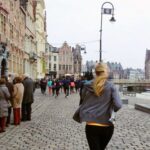
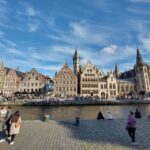
Ghent looks postcard-perfect on two wheels. This 150-minute bike tour pairs major historic sights like the UNESCO beguinage with real stories you won’t get from a map app. I like how the route stays relaxed using bike lanes and quiet streets, and I like how the guide (often Tim) makes the city feel understandable and close-up. The main drawback to plan for: you need to be able to ride a bike, and the tour runs rain or shine.
What you ride past gives you a fast sense of why Ghent matters. You’ll cycle by abbeys and churches, the Castle of the Counts, and the Portus Ganda area, then move through calmer neighborhoods where Ghent’s student life shows itself quickly. You get a live guide who speaks English or Dutch, plus a city bike and a raincoat if conditions turn.
The good news is that this doesn’t feel like a hard-core cycling mission. The streets are chosen to be low traffic with safe bike infrastructure, and most riders find the pace manageable with regular stops. If you’re going on a busy day, like a Saturday, just expect more people around the city center—but the route is still designed to keep you safe on low-traffic streets and bike paths.
In This Review
- Key Points You’ll Care About
- Why Ghent by Bike Beats the Usual Walk
- Getting Set Up: Meeting Point and Bike Comfort
- Your Route in Motion: Counts’ Castle and Portus Ganda
- Abbeys and Churches: Stories You’ll Actually Retain
- The UNESCO Beguinage Stop: A Quiet Counterpoint
- Canals, Parks, and the Low-Traffic Ghent People Miss
- The Halfway Break at a Brewery: Facilities and a Real Reset
- Pace, Road Surface, and Day-by-Day Reality
- Price and Value: What You Get for $53
- Who This Tour Fits Best (and Who Should Skip)
- Should You Book This Ghent City Highlights and Hidden Gems Guided Bike Tour?
- FAQ
- How long is the Ghent guided bike tour?
- Where is the meeting point?
- What is included in the price?
- Is the tour canceled if it rains?
- What languages are available for the live guide?
- Is food or drinks included during the break?
- Is there a break during the tour?
- Can I cancel for a full refund?
- Can I reserve now and pay later?
- Is the tour suitable for people who can’t ride a bike?
Key Points You’ll Care About
- A 150-minute format that fits real schedules without turning into a half-day endurance test
- Tim’s storytelling style makes landmarks feel connected instead of random stops
- Safe bike lanes and quiet streets help you enjoy the ride, not focus on traffic
- UNESCO beguinage visit gives you a meaningful pause in a calmer pocket of the city
- Counts’ castle and Portus Ganda deliver big-picture history plus local detail
- Rain-ready approach with raincoats makes the experience steady even when the sky won’t cooperate
Why Ghent by Bike Beats the Usual Walk
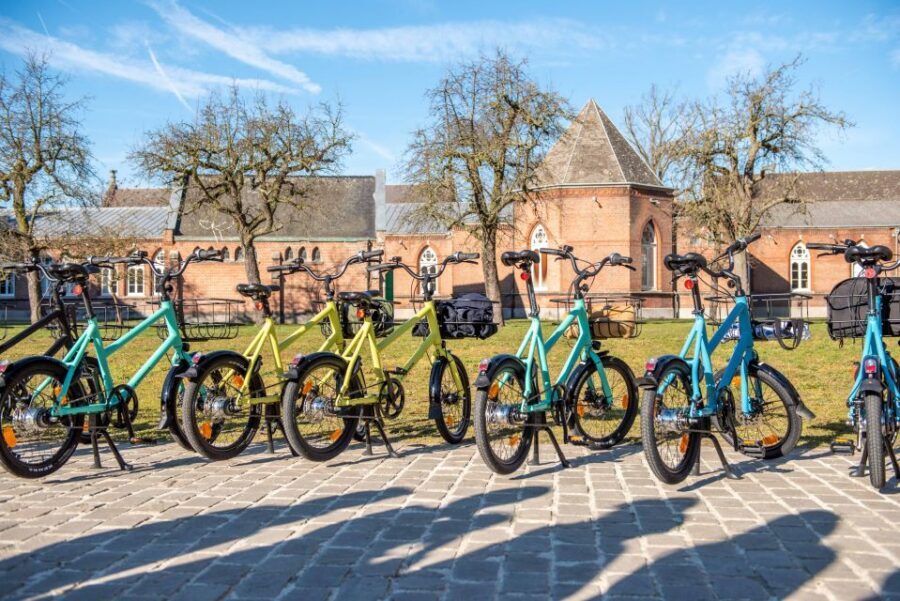
Ghent rewards slow looking, and biking helps you do that without burning an entire day. In a city where the best details sit on doorways, towers, canals, and church facades, cycling lets you cover ground while still stopping often enough to notice the stuff you’d miss at walking speed.
I also like that this tour is built for understanding, not just checking boxes. The guide ties buildings to the way Ghent grew, how people lived, and why certain areas became important long before today’s student energy and modern sustainability goals.
One more practical perk: you don’t have to bounce between distant spots by taxi. You keep rolling, but you still get those short pauses that make the stories stick.
You can also read our reviews of more cycling tours in Ghent


Getting Set Up: Meeting Point and Bike Comfort
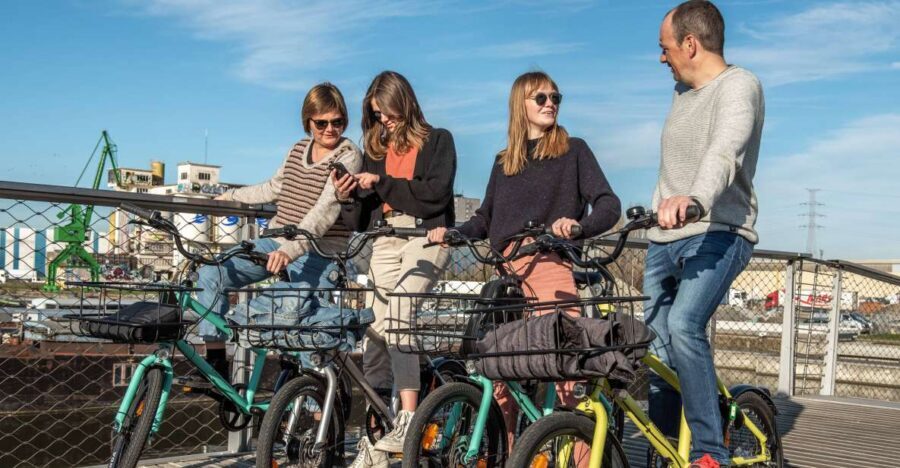
You’ll meet the guide in front of the gate. It’s simple, but I’d treat it like any timed tour: arrive a few minutes early so you can get your bike sorted without stress.
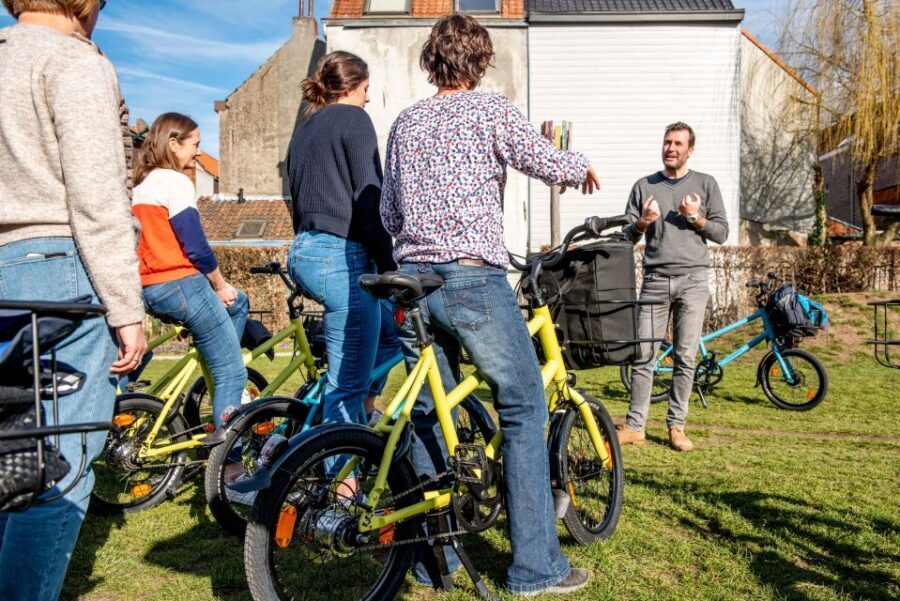
Bikes are provided, and the tour is only for people who can ride. If you’re unsure of your comfort level, this is the part to be honest about—because the best route in the world is still not much fun if you’re tense the whole time.
The ride is designed to feel safe. Expect lots of calm streets and bike infrastructure rather than major roads, and plan for a few rougher patches (Ghent can have cobblestones) while still staying within a manageable effort level for most people.
If you want an easier ride, it’s worth asking ahead whether your departure uses electric bikes. Some cyclists mention that electric and standard bikes are both part of the mix, and you don’t want to discover you needed extra help after you arrive.
Your Route in Motion: Counts’ Castle and Portus Ganda
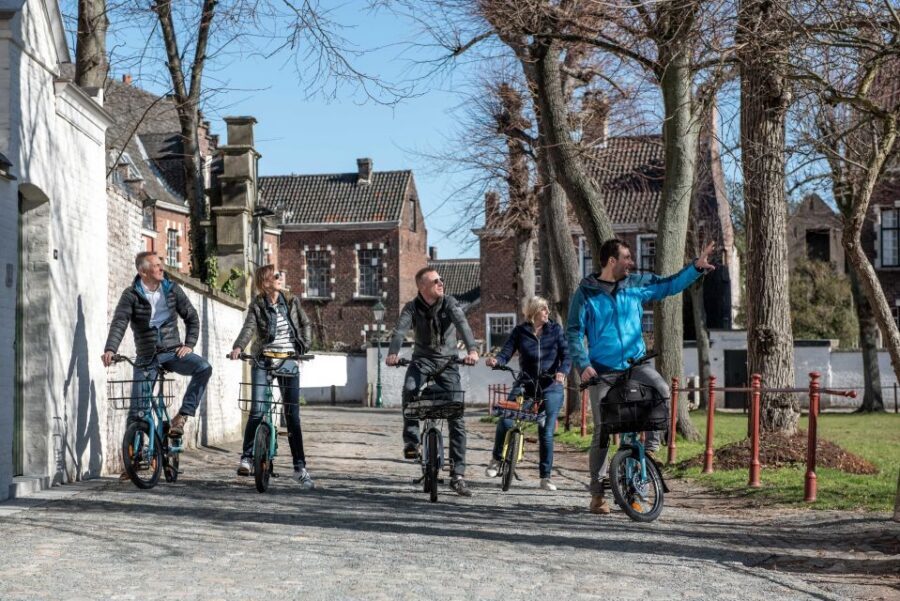
This tour doesn’t start with something abstract. You’ll head into the historic core with major landmarks early enough to set the context for everything that comes next.
A standout is the Castle of the Counts area. Even if you’ve seen photos, biking past it in sequence with the surrounding streets helps you understand the castle’s place in the city’s layout. It’s less about staring and more about seeing how the urban form grew around powerful positions.
Then you shift toward Portus Ganda, a place that helps explain Ghent as more than just churches and old stone. Canals and waterways matter here, and the guide’s stories help you connect industrial and civic life to the visual clues you’re passing.
As you move through these zones, you’ll also notice how Ghent’s beauty isn’t only in the biggest monuments. Small details—signposts of wealth, old religious functions, and how neighborhoods evolved—start showing up in the ride.
Abbeys and Churches: Stories You’ll Actually Retain

Ghent has a lot of religious architecture, but this tour avoids the typical problem: seeing church after church with no thread tying them together. Instead, you get anecdotes that explain what you’re looking at and why it mattered to the people who built and used it.
Cycling by abbeys and churches is a nice balance of effort and payoff. You don’t have to crane your neck for long stretches because you can stop, listen, and then move on with the group.
A big part of the value here is the way the guide gives context at the right moments. When you know what a building once served, you start noticing the evidence—functions, changes over time, and the kinds of social life that used to surround these places.
The UNESCO Beguinage Stop: A Quiet Counterpoint
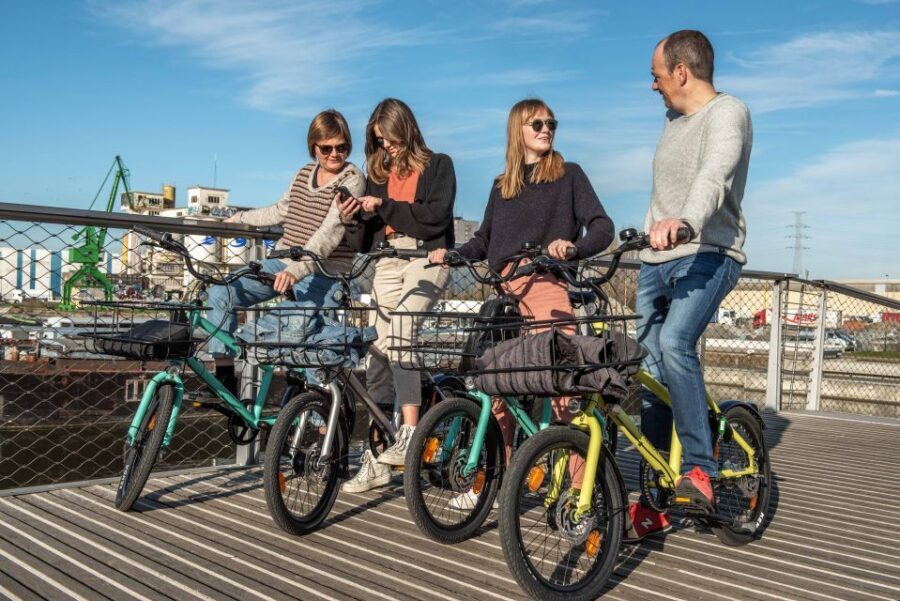
One of the most meaningful parts of the route is the small beguinage, an UNESCO site. This stop works because it slows the pace of the sightseeing. You’re not just seeing a landmark; you’re seeing a way of life that shaped a corner of Ghent.
The surroundings feel calmer than the main streets, which makes it easier to take in details without feeling rushed. And because the guide explains the background, you’re not stuck guessing why the place looks the way it does.
If you like experiences that offer a human-scale story—rather than only grand monuments—this is the moment to pay attention. It’s also a great reset before you rejoin the motion of the ride.
You can also read our reviews of more guided tours in Ghent


Canals, Parks, and the Low-Traffic Ghent People Miss

A big reason to do Ghent on a bike is that you can reach the softer parts of the city without spending hours crossing busy streets. This tour uses low traffic streets and safer cycling routes, so you can look outward and not just watch where you’re turning.
You’ll pass parks and quieter neighborhoods as well as canals. That mix helps you get the full Ghent feeling: historic structures plus everyday life happening around them.
This is also where the city’s student population becomes visible in a practical way. You’ll feel the difference between a place built only for visitors and a place that still lives on a daily rhythm—cafes, street activity, and modern creativity layered over older bones.
The Halfway Break at a Brewery: Facilities and a Real Reset
About halfway through, you take a break at a brewery. It’s the kind of pause that actually helps you enjoy the rest of the ride.
This stop is useful for practical reasons: you can use facilities and you can grab a refreshment if you want one. Drinks and food are not included, so come with a plan—either bring your own snacks or be ready to pay for what you want at the stop.
I like a halfway break because it turns the tour from a single long push into two smaller experiences. When you start the second half rested, the sights feel sharper and the stories land better.
Pace, Road Surface, and Day-by-Day Reality
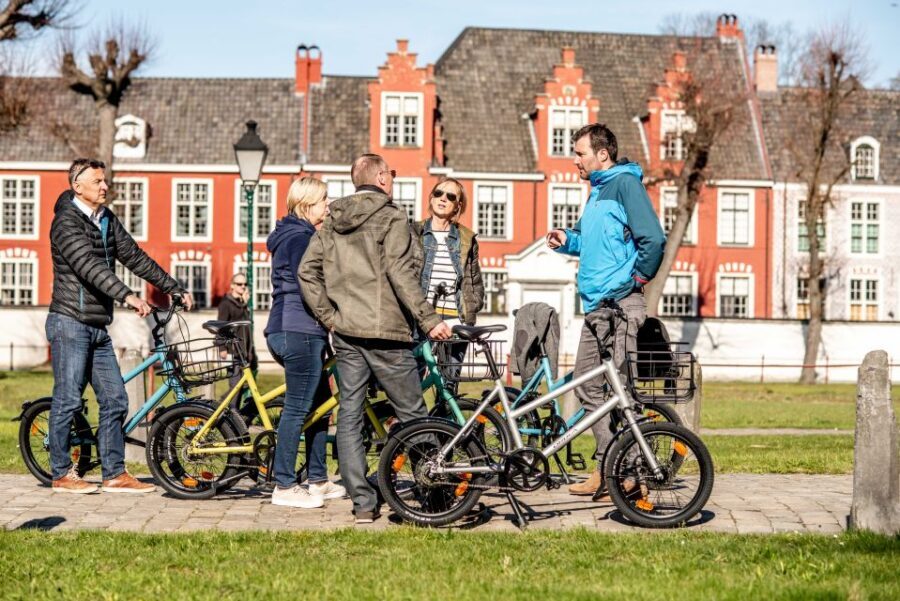
The overall effort is manageable, and the ride is built with frequent stops. People often find the cycling doable, with minimal hills for most routes—though you should still expect a few cobblestones along the way.
The cadence matters: you’re not in constant motion, and you’re not sitting too long either. It feels like a guided walk, but with the added benefit of distance between stops.
One planning note: some days are simply busier in the city center. If you’re riding on a Saturday, you may deal with more street traffic and more cyclists. The route is still chosen for safety, but your best move is to stay alert and keep an easy pace when you’re near tighter intersections.
Price and Value: What You Get for $53
At about $53 per person for a 150-minute guided bike tour, the value comes from what’s bundled. You’re paying for a live guide, a bike, and rain readiness, not just transportation.
Here’s what makes that price feel fair for many visitors:
- A real local guide who gives you context instead of leaving you with a list of sights
- The bike included, so you’re not spending time and energy renting and figuring out routes
- Raincoat support if needed, which protects your schedule when weather changes
- Time efficiency, letting you see more than you’d comfortably cover on foot
Your main extra costs are what you choose during the halfway break. Since drinks and food are not included, bring a small cash or card budget if you want coffee, a soft drink, or a snack.
If you’re the kind of traveler who likes walking a city but hates losing half the day to transit between far-apart sights, this is the sweet spot.
Who This Tour Fits Best (and Who Should Skip)
This tour is ideal if you:
- can ride a bike confidently
- want guided storytelling at landmark stops
- like seeing both major sights and quieter neighborhoods
- want a structure that keeps you from missing the important details
It’s not a fit if you can’t ride. That’s not about being picky; it’s about safety and enjoyment.
Also consider your weather tolerance. The tour runs in rain or shine, but raincoats are provided if needed. If you hate getting wet at all, you’ll want to pack accordingly and mentally prepare for damp moments.
Should You Book This Ghent City Highlights and Hidden Gems Guided Bike Tour?
I’d book it if you want Ghent to feel understandable fast. This tour does a strong job connecting the city’s major historic anchors—like the Castle of the Counts and the UNESCO beguinage—with the waterways, neighborhoods, and student-life energy that make Ghent feel lived-in.
It’s especially worth it if you’ve got limited time and you want a guide to steer you toward the stories you’ll remember later. And if your priorities are comfort and safety, the route’s focus on bike lanes and low traffic streets is a big plus.
Skip it only if cycling doesn’t work for you. Otherwise, grab a spot, bring your best rain-weather attitude, and let the city roll by at a pace that actually lets you notice it.
FAQ
How long is the Ghent guided bike tour?
The duration is 150 minutes.
Where is the meeting point?
You’ll find the guide in front of the gate.
What is included in the price?
A city bike is included, and a raincoat is provided if needed.
Is the tour canceled if it rains?
No. The tour takes place rain or shine, and raincoats are provided if needed.
What languages are available for the live guide?
The live tour guide is available in Dutch and English.
Is food or drinks included during the break?
No. Drinks and food during the break halfway are not included.
Is there a break during the tour?
Yes, there is a break halfway where you can use facilities and/or get a refreshing drink.
Can I cancel for a full refund?
Yes. You can cancel up to 24 hours in advance for a full refund.
Can I reserve now and pay later?
Yes. You can reserve now & pay later.
Is the tour suitable for people who can’t ride a bike?
No. It is not suitable for people who can’t ride a bike.