REVIEW · BRUGES
Historical walk in Bruges with local guide. Praline included
Book on GetYourGuide →Operated by Quality Guides · Bookable on GetYourGuide
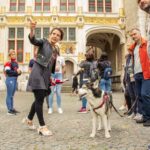
Medieval Bruges gets personal in two hours. This guided walk turns the Markt and Burg into living storyboards, with a small-group feel and a sweet stop built in. You’ll also get a Sukerbuyc praline (unless it’s Monday when the praline is not available).
I especially liked two things: seeing how the guide (Peter) connects what you’re standing in front of with the meaning behind symbols and everyday sayings, and getting a QR code after the tour to help you plan where to eat and snack next. The tour also comes with practical extras like public toilets and water stops, which matter in a compact old town.
One consideration: the route is a walking tour, with rules like no high-heeled shoes, so if your feet or mobility are an issue, you’ll want to think ahead and wear comfy shoes.
In This Review
- Key highlights you’ll actually use
- Markt, Belfry, and Burg: the quick route to Bruges’ big picture
- The guide, Peter: why the stories land (and how that helps you later)
- Gruuthuyse Castle and the Church of Our Lady: more than a stop-and-snap
- Burgundy Wall Square and the brewery-food zone
- Dijver canal, Tanners Square, and the red-light district story
- The praline from Sukerbuyc: a sweet shortcut to chocolate curiosity
- Price and value: why $3.41 can still make sense here
- Comfort rules and timing: small details that affect your day
- Who should book this Bruges history walk
- Should you book this Bruges history walk?
- FAQ
- Where is the tour meeting point?
- Where does the tour end?
- How long is the walking tour?
- Is the tour guided and in English?
- How many people are in the group?
- What food is included?
- Does the tour include water stops and toilets?
- What do I get after the tour?
- Is transportation help included?
- Are there any footwear rules?
Key highlights you’ll actually use
- Markt + Belfry + Burg Square: learn why this stretch became the city’s power center.
- Peter’s story style: humor, Q&A, and explanations of sayings and symbols you’ll notice later.
- Gruuthuyse Castle and Church of Our Lady: stops that help you understand why wealthy Bruges looked the way it did.
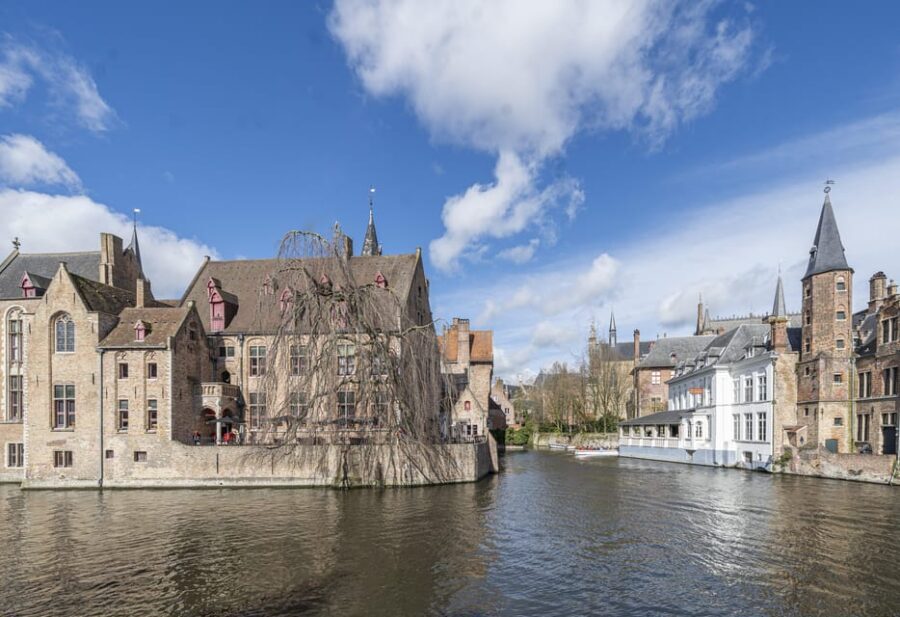
- Canals and Tanners Square: photo-friendly viewpoints plus stories that change how you read the streets.
- Praline from Sukerbuyc: included for most days, with an exception on Monday.
- After-tour QR code: a ready list of where to go for food, waffles, chocolate, and more.
Markt, Belfry, and Burg: the quick route to Bruges’ big picture
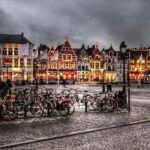
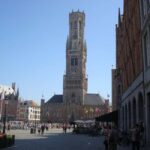
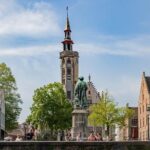
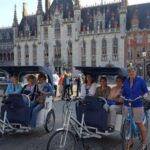
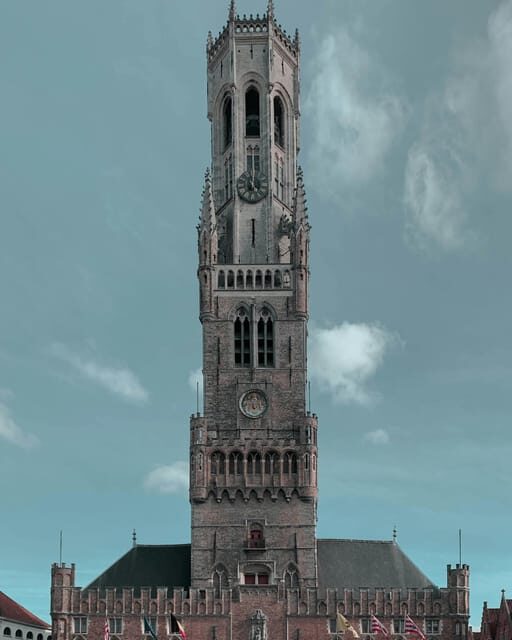
Bruges rewards the slow traveler, but this tour is built for people who want the main themes without spending a whole day. You meet at the market in front of the Belfry, which is a great choice because you start where civic life and trade energy gathered. From there, the walk orients you fast: the geography makes sense, and the names of squares stop sounding like postcards.
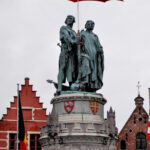
The anchor stop is Burg (the tour starts and ends there, per the route plan). Burg Square is described as where it all started, and once you’re there you feel the logic of the place: this was a stage for authority, not just a pretty plaza. The guide ties it to the forces that shaped Bruges’ wealth over time, from agriculture and Viking-era connections to later trade, art, and the power of counts and dukes.
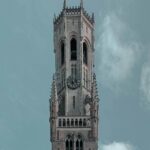
You’ll also spend time at the Belfry and Markt, where the idea of trade and local rule comes through. Even if you already know Bruges is a UNESCO World Heritage city, the tour helps you read the streets like they have an agenda—because they do.
A small-group setup (maximum 15 participants) makes a difference here. You’re not just watching a moving line; you can hear the guide clearly and ask questions when something catches your eye.
You can also read our reviews of more guided tours in Bruges
The guide, Peter: why the stories land (and how that helps you later)
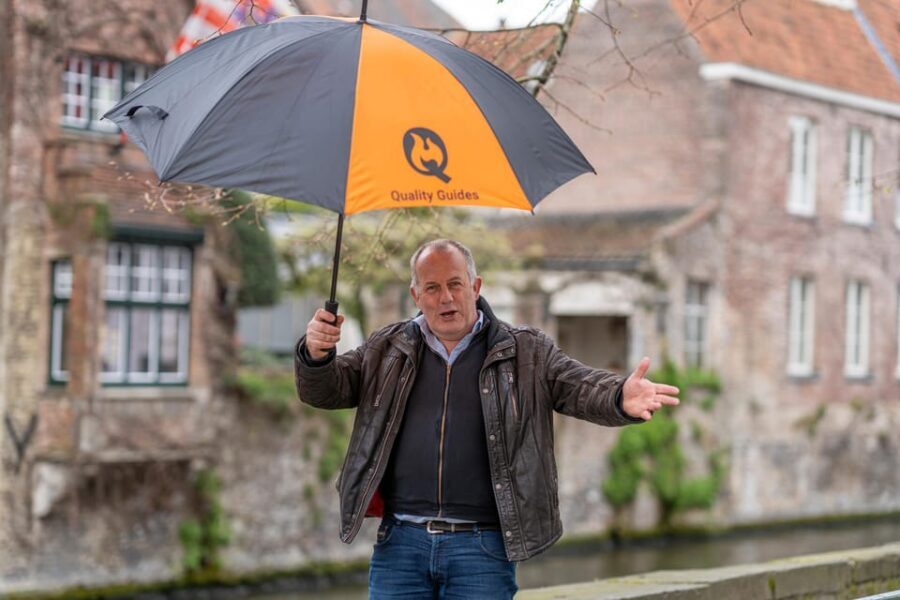
This is where the tour earns its top marks. The name that shows up again and again is Peter, and the theme is consistent: he’s not performing history like a lecture. He tells it with humor, answers questions, and connects symbols and phrasing to what you see around you.
One reviewer highlighted that Peter explained the historical significance of sayings and symbols, and another liked the origins of phrases and how that history shows up in everyday language. That matters because Bruges can feel like a museum where you either know the background—or you don’t. Peter’s approach gives you a shortcut: after the tour, you’ll spot details and understand why they’re there.
I also like that the guide goes beyond the main monuments without turning the walk into random trivia. He points out what to look for and shares practical notes like restaurant and drinking-place suggestions. In a city where you can easily spend your time hunting for food, those recommendations save energy.
A nice added touch from the experience: Peter offered to take photos for people, and at least one participant received an extra chocolate during the tour. You’re not counting on that for value—but it’s a good sign of the guide’s attitude.
Gruuthuyse Castle and the Church of Our Lady: more than a stop-and-snap
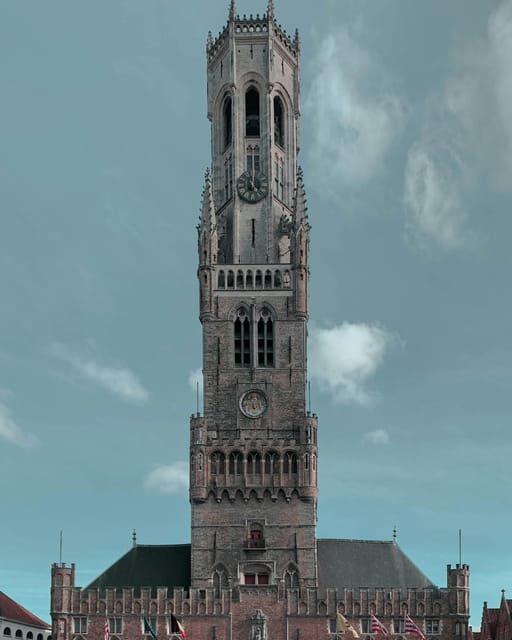
Two of the headline cultural stops are Gruuthuyse Castle and the Church of Our Lady. If you’ve been to places where you see a building but don’t know why it mattered, you’ll be grateful for the way this tour frames them. These aren’t treated as isolated landmarks; they connect to the larger story of wealth and influence in medieval Bruges.
At Gruuthuyse Castle, you’ll get context that helps explain why powerful families and their wealth shaped the city’s look. The benefit for you is simple: you’ll understand the building as an expression of status, not just architecture you walked past.
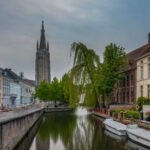
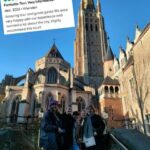
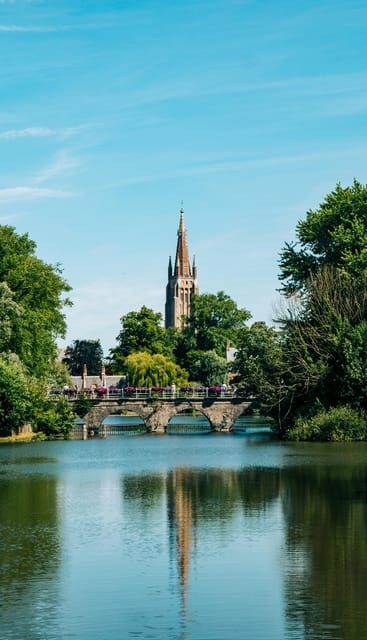
With the Church of Our Lady, the value is similar. You’re not only looking at a church; you’re learning how Bruges’ money, art, and civic identity tied into religious and cultural life. You’ll leave with a mental model for why this area looks the way it does and why visitors often gravitate here first.
One practical benefit: these stops break up the walk. Even though the tour is only 2 hours, the schedule includes enough time in and around major sights to keep it from feeling rushed. And because you’re in a small group, you’re less likely to be stuck at the back.
Drawback to consider: church and castle exteriors are weather-dependent. Bruges can shift from gray skies to light rain quickly. Wear shoes that handle wet cobblestones, and keep your plan flexible if conditions change.
Burgundy Wall Square and the brewery-food zone
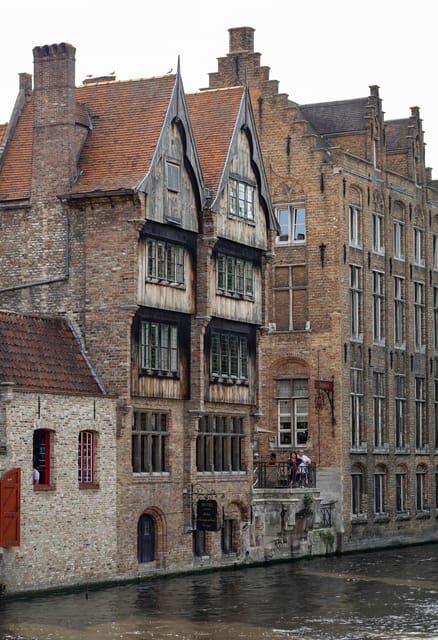
A fun piece of this tour is that it doesn’t only teach you about power—it also helps you find the life around that power. The route includes the Burgundy Wall Square, where you’ll see a brewery connection and plenty of restaurant options.
This stop is a good reminder of how Bruges still works as a city, not a staged set. Food and drink aren’t an afterthought. The guide’s notes on restaurants and drinking establishments help you translate what you learn into what you do next.
If you’re the type who wants to eat well but hates guessing, you’ll appreciate this. You’ll start thinking in neighborhoods and moods: where a brewery feel makes sense, where a sit-down meal might fit, and where snacks are likely easier to grab.
One caution: if you’re hungry right at that point, the temptation is to break away from the tour. That’s normal. Just remember the tour ends back around Burg and you’ll have a QR code afterward with additional food options—so you can stay focused now and pick your final meal later with less stress.
Dijver canal, Tanners Square, and the red-light district story
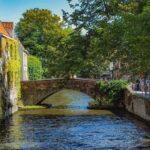
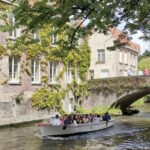
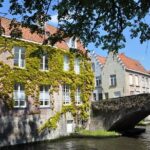
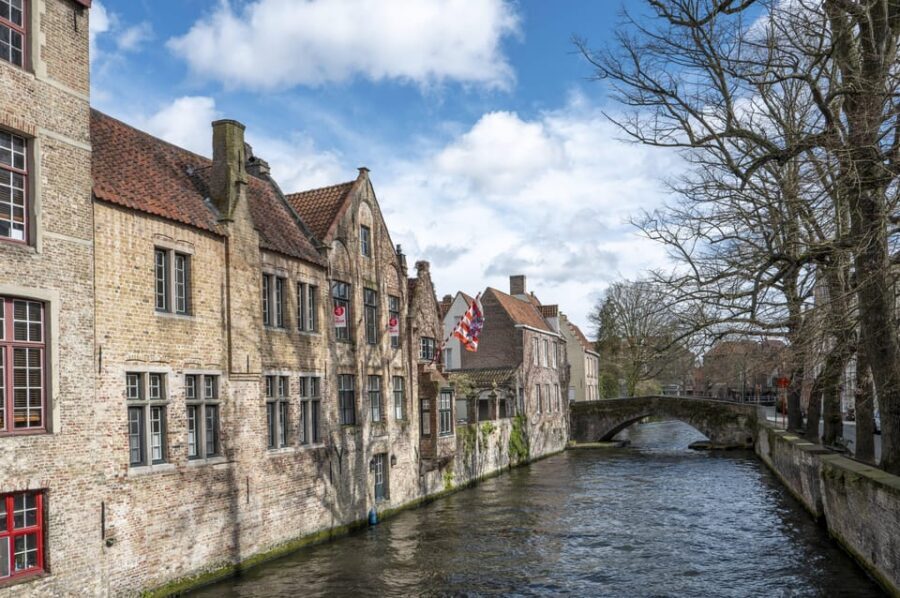
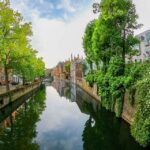
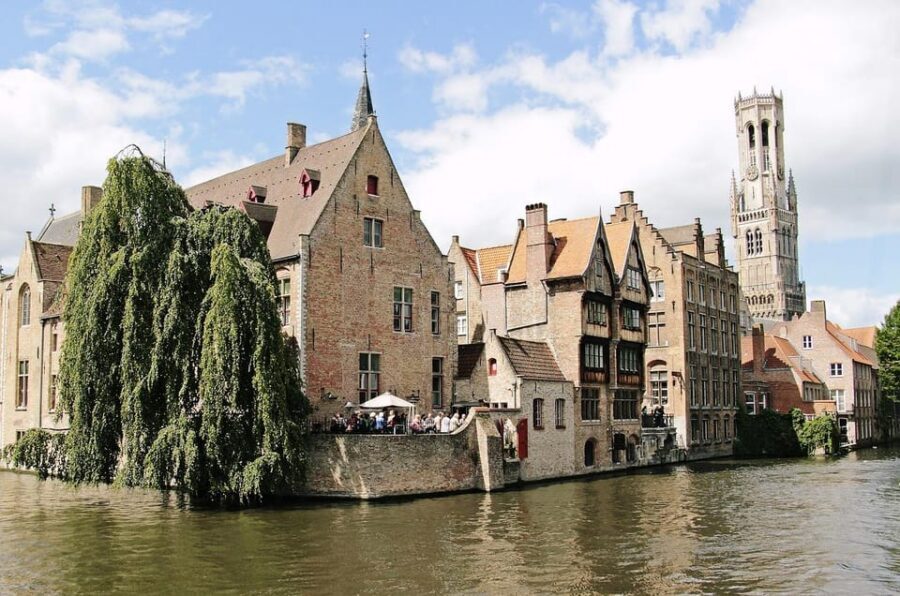
The tour also gives you Bruges beyond the classic-photo route. You’ll pass through the Dijver canal area, known in the experience description for its serene beauty. This part helps you slow down for a minute and see the city’s water geography, which is a huge part of why Bruges feels so distinct.
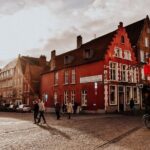
Then there’s Tanners Square, described as having a lively atmosphere. This contrast helps you understand how different parts of the city served different needs—trade, work, and public life.
A particularly interesting element: you’ll also go through the historically significant red-light district. The value here is interpretation. Instead of treating it as scandal or shock, the tour frames it in a historical context, so you’re not left guessing why it’s there and how it fits into the city’s past.
I like this approach because it prevents the city from becoming one-note. Bruges isn’t only postcard charm. It has real layers. And when someone can explain those layers in a way that feels respectful, you get more from every street you walk afterward.
Practical note: these streets are part of an old city grid. It’s not a problem, but it does mean standing around for explanations can feel like standing on stones. A quick break with the potable water stops included helps.
You can also read our reviews of more historical tours in Bruges
The praline from Sukerbuyc: a sweet shortcut to chocolate curiosity
The included food highlight is a praline from Sukerbuyc. The tour data notes an exception: it’s not available on Monday closing day. So if you’re traveling on Monday, you’ll want to plan on skipping that specific sweet, even though the rest of the walk should still make sense.
Why I think this inclusion is smart: it’s small, it’s local, and it gives you a reason to pay attention to Bruges’ chocolate culture. One of the reviews specifically praised how the guide shared secrets to recognize the best chocolate. Even if you’re not a hardcore chocoholic, those tips can change how you shop afterward.
So consider the praline a kind of entry ticket to the city’s candy logic. You’ll notice packaging, textures, and choices more carefully after you’ve heard what to look for.
Price and value: why $3.41 can still make sense here
The listed price in the details is $3.41 per person for a 2-hour English-language guided walk. Even if that number makes you raise an eyebrow, the value points that are explicitly included help explain how this can work.
You’re getting:
- a local guide and English narration
- a route that hits major squares and major landmarks (Belfry area, Burg, Gruuthuyse Castle, Church of Our Lady, Burgndy Wall Square, canals, Tanners Square, and more)
- practical support like potable water stops and public toilets
- a free praline (with the Monday exception)
- a post-tour QR code list of recommended food stops (restaurants, cafés, chip shops, waffle houses, chocolate shops, and more)
- information about museums and museum entrance fees
- information about free bus rides to and from the station
For you, the real value is not just the price. It’s how the guide compresses decision-making. In a place like Bruges, that can be worth as much as a museum ticket: you spend less time wandering without a plan and more time eating, seeing, and understanding.
One more value angle: the tour’s max group size of 15 keeps it from feeling like a commute. You hear the guide, you can ask questions, and you’re not constantly getting elbowed out of view.
Comfort rules and timing: small details that affect your day
A couple of rules are worth knowing because they shape your comfort level:
- High-heeled shoes aren’t allowed, which is a good policy for cobblestones.
- Alcohol and drugs aren’t allowed, and certain party groups are restricted.
- It’s not suited for children under 3, and it’s not suitable for people with recent surgeries, for people over 95, or for people over 309 lbs (140 kg).
If you fall into any of the sensitivity categories, it’s smart to check with your own comfort needs first. Even with a relaxed pace, you’ll still be walking.
In terms of timing, the tour lasts 2 hours, with starting times depending on availability. That short window is exactly why it’s good as a first Bruges activity. You get the layout and the story early, so the rest of your self-guided wandering makes more sense.
Who should book this Bruges history walk
This tour is a strong match if you want:
- a short, high-impact history walk that connects squares, buildings, and street details
- a guide who explains the meaning behind symbols and phrases, not only facts
- local food and chocolate direction without heavy planning
- a small-group format that makes questions feel easy
It’s less ideal if you want a totally quiet, independent visit with no standing in groups, or if you have mobility limits that make cobblestone walking uncomfortable.
Also, if you’re traveling with kids, the tour being able to keep things fun matters. The info here only sets a minimum age (not a maximum), but the guide’s humor shows up clearly in the feedback.
Should you book this Bruges history walk?
Yes, if you want a fast way to get oriented and to understand why Bruges looks the way it does. The pairing of major sights (Belfry/Markt, Burg, Gruuthuyse Castle, Church of Our Lady) with canals and less typical street context gives you a fuller picture than the usual checklist.
If you’re the kind of traveler who likes to ask questions and then apply the answers immediately—especially to food choices—this tour fits your style. The added QR code list is a practical finish, and the Sukerbuyc praline gives you a local taste to anchor the experience.
Skip it only if walking on cobblestones is a real problem for you, or if the Monday praline timing would bother you enough to change your plans. Otherwise, this is a good-value way to turn Bruges from a pretty map into a place with names, meanings, and momentum.
FAQ
Where is the tour meeting point?
You meet at the market in front of the Belfry.
Where does the tour end?
The tour ends back at the meeting point area, and the route is described as starting and ending at Burg.
How long is the walking tour?
It lasts 2 hours.
Is the tour guided and in English?
Yes. It’s a live tour with an English-language guide.
How many people are in the group?
The tour has a maximum of 15 participants.
What food is included?
A praline from Sukerbuyc is included, except on Monday closing day.
Does the tour include water stops and toilets?
Yes. There are stops at potable water fountains and public toilets included.
What do I get after the tour?
You receive a QR code that links to a list of best spots in Bruges, including restaurants, cafés, chip shops, waffle houses, and chocolate shops.
Is transportation help included?
Yes. The tour provides information about free bus rides to and from the station.
Are there any footwear rules?
High-heeled shoes aren’t allowed.