REVIEW · GHENT
Ghent: The Dark Side of Ghent Private Walking Tour
Book on GetYourGuide →Operated by Legends Experiences · Bookable on GetYourGuide
A cold-blooded Ghent story starts fast. This private 90-minute walking tour leans into the city’s mystery side instead of marching you down the standard postcard route, with stops tied to history, old legends, and darker tales. I really like the private, customizable format, so you can steer the conversation toward what you actually care about, whether that’s cathedrals, medieval power, or the quieter alleys around the medieval quarter. One thing to consider: it’s still a walking tour, so if you hate rain-soaked cobblestones, plan for solid shoes and patience.
The biggest win here is the guide-led storytelling that makes Ghent feel connected, not separated into random landmarks. In the reviews, guides like Jerke, Florian, Kenny, and Hamraz stand out for fast talk, friendly energy, and real enthusiasm for their home city, plus the fact they’re willing to answer questions along the way. The trade-off is simple: 90 minutes goes by quickly, so you’ll likely want to use the included recommendations booklet afterward to follow up.
If you want Ghent as a place with layers, this tour fits. If you want only the famous big hits with no dark detours, you might find the tone isn’t for you.
In This Review
- Key highlights you should know before you go
- Price and value: what you’re really paying for
- The “dark side of Ghent” vibe: how the story tour works
- Meeting point and timing: getting started without stress
- Stop-by-stop: what you’ll see and why it matters
- Saint Michael’s Bridge: the opener with built-in context
- St. Bavo’s Cathedral: faith, power, and the bigger picture
- Graslei: the riverside “stage” for older Ghent
- Appelbrugparkje: a small stop that changes how you see the center
- Gravensteen: the fortress mindset
- Prinsenhof and Rabot: elite life versus the city’s harder edges
- Bridge of Imperial Delights: a curious name with a serious backdrop
- Augustine Monastery: where the mood shifts again
- Patershol: ending in the medieval quarter (and wanting more)
- What the booklet adds (and why it’s useful)
- Guides and the storytelling factor: why some tours feel alive
- Who this tour suits best
- Practical tips so you enjoy it more
- Should you book Ghent: The Dark Side of Ghent Private Walking Tour?
- FAQ
- Where is the meeting point for the tour?
- How long is the Ghent private walking tour?
- What does the tour include?
- Is food or drink included?
- What language options are available for the live guide?
- Is the tour private or shared?
- Will the tour run in bad weather?
- Is the tour wheelchair accessible?
- Can I customize the tour?
Key highlights you should know before you go
- Skip the tourist trail: more time on the lesser-known angles of Ghent, with a story thread that ties it together
- Dark-history focus: legends, mystery, and spooky-adjacent tales mixed with real context
- Private and customizable: you can shape the route and special requests around your interests
- A strong guide matters: multiple reviews single out guides like Jerke and Hamraz for entertaining, question-friendly guidance
- Practical extras: you get a booklet with discounts and gifts for restaurants, museums, and shops
Price and value: what you’re really paying for
At $206 per group (up to 2 people) for 90 minutes, this isn’t the cheapest way to see Ghent. But private tours can be good value when you factor in two things: time and control. You’re not sharing attention with strangers, so you get a true back-and-forth with the guide, and you can steer the story toward your interests.
For a couple, the math usually feels better because the cost stays at the group level. Even for solo travelers, the private format can still pay off if you want personal pacing, specific questions, and a route that ends near the medieval quarter so you can keep exploring right after.
Also note what is and isn’t included: the tour includes a professional private guide, but food and drinks aren’t part of it. That’s not a downside if you’re the type who likes to stop where you actually want, not where a schedule forces you.
You can also read our reviews of more walking tours in Ghent


The “dark side of Ghent” vibe: how the story tour works
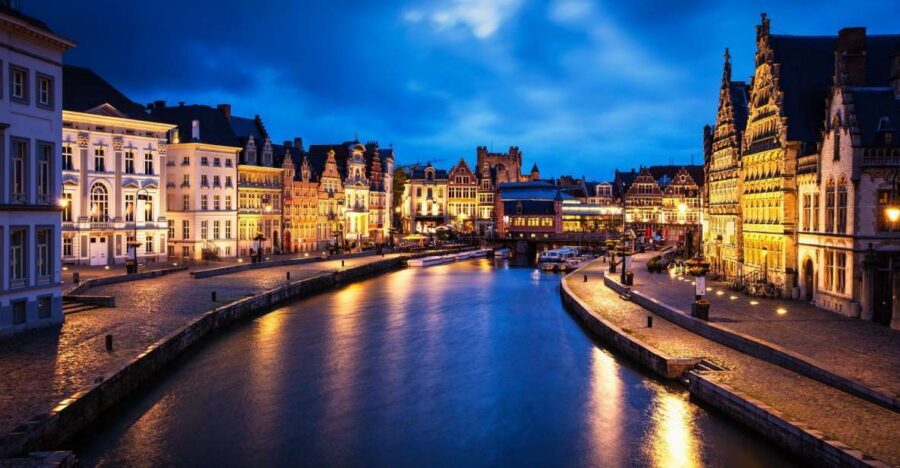
This tour is built like a walking story. You start with major landmarks, then the guide’s narrative shifts toward history with mood: mystery, old legends, and darker episodes that help you read the city differently.
I like this approach because it changes what you notice. Instead of just seeing buildings, you start picking up clues: why a spot matters, what power or faith was doing there, and how the city’s past can still feel present. The tour is described as taking place rain or shine, so it’s clearly meant to be an all-weather city-walk, not a fair-weather photo sprint.
The “dark” angle doesn’t mean you’ll spend the tour in something heavy or unpleasant. It’s more like a cinematic lens: you learn the facts, then the legends and mystery give those facts extra texture.
Meeting point and timing: getting started without stress
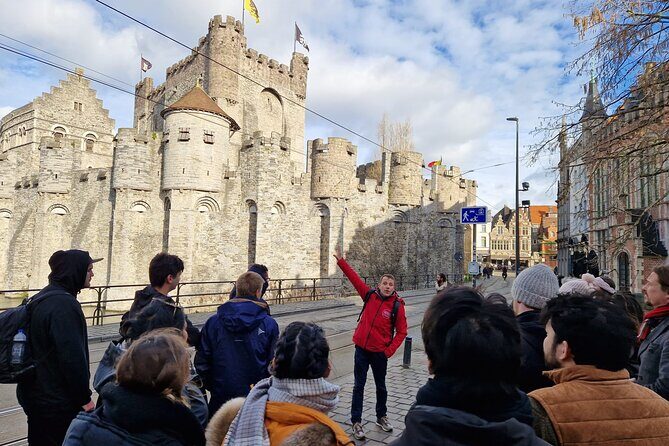
You meet in front of Hostel Uppelink, and your guide waits for you holding a red umbrella. That’s a helpful detail because Ghent can be easy to misread at street level, especially around the center.
The tour runs 90 minutes. That’s long enough to feel a full arc, but short enough that you won’t drain your energy. The practical side of this duration is that you can pair it with other plans the same day. If you’re trying to cover Ghent in a limited time window, this is one of those lengths that actually respects your schedule.
Bring comfortable shoes. You’ll thank yourself on cobblestones.
Stop-by-stop: what you’ll see and why it matters
Below is what you can expect as the guide moves you through the city. Some stops are big-name landmarks; others are there to add contrast and help the “dark side” theme make sense.
Saint Michael’s Bridge: the opener with built-in context
Starting at Saint Michael’s Bridge sets the tone immediately. Bridges in historic cities are like sentence punctuation: they force you to understand separation and connection at the same time. As you look across and around, the guide can frame why Ghent’s waterways and routes mattered, then you’re ready for the next layer of the story.
If you like beginnings that help you orient, this is a strong start. It also gives the guide a chance to set expectations so you know what kind of tale you’re about to hear.
You can also read our reviews of more private tours in Ghent






St. Bavo’s Cathedral: faith, power, and the bigger picture
St. Bavo’s Cathedral is the kind of stop where you can feel the weight of centuries. With this tour, it’s not treated as a standalone photo-op. The guide links it into the wider narrative, so you’re not only looking at architecture; you’re learning why religious institutions held influence and how that influence shaped the city.
One practical consideration: cathedral interiors can have rules, and you may spend a bit of time adjusting to lighting and spacing. If you want maximum photo time, be ready for a guided pace rather than a linger-and-shoot pace.
Graslei: the riverside “stage” for older Ghent
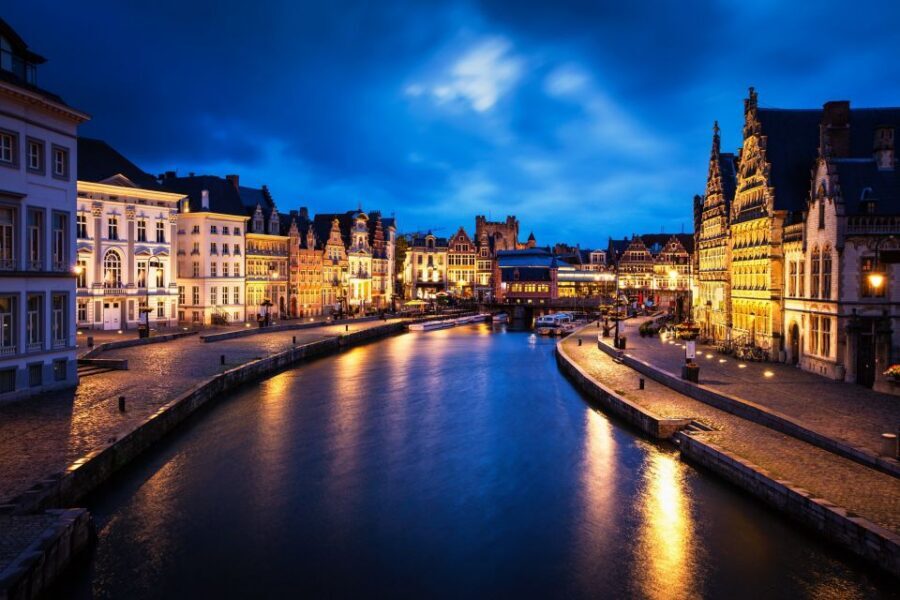
Graslei is one of those Ghent riverfront areas that instantly makes the city feel like a working historical hub. For this tour, it’s likely used as a contrast point: pretty visuals paired with the reminder that trade and power were always driving change behind the scenes.
This stop works well if you enjoy reading a city through how people moved, traded, and lived. Even without a full explanation of every architectural detail, the guide’s storytelling helps you connect the dots.
Appelbrugparkje: a small stop that changes how you see the center
Appelbrugparkje sounds minor compared to the cathedral or a castle, but small stops are often where the “different perspective” payoff happens. If your goal is to avoid the same crowded walking routes everyone takes, places like this are how you get breathing room and a new angle.
I like these shorter pauses because they reset your attention. You stop, you look, you listen, and the story reframes the neighborhood.
Gravensteen: the fortress mindset
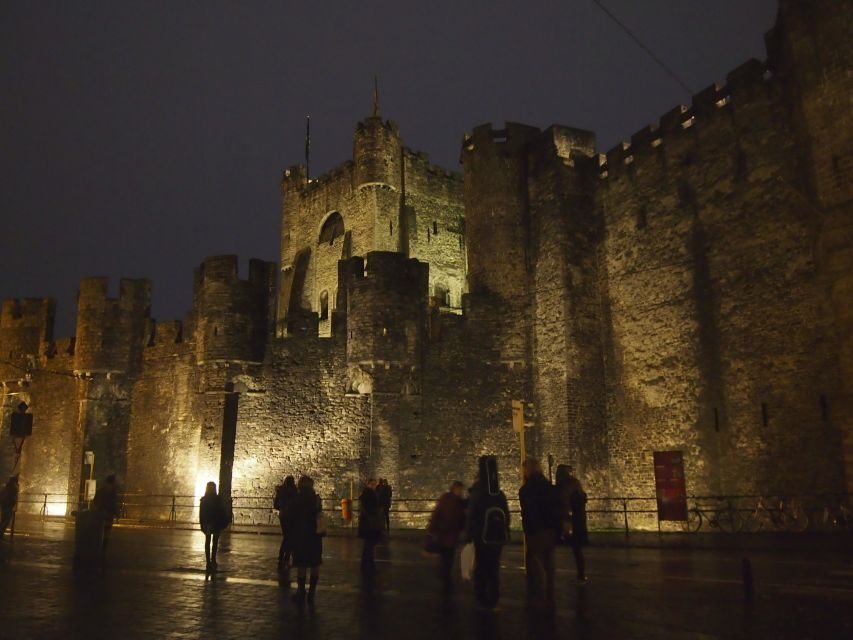
Gravensteen is the big medieval power stop. When the tour hits a castle-like site, it makes the “dark history” theme feel real. This is where you can imagine enforcement, control, and the city’s tensions—not just the romantic postcard view.
If you enjoy medieval political stories, this is likely your favorite segment. The possible drawback is that castle stops can include stairs or uneven ground in the approach. The tour is wheelchair accessible, but you should still expect the area around historic sites to be tight and textured.
Prinsenhof and Rabot: elite life versus the city’s harder edges
Prinsenhof and Rabot are the kind of locations that help you see Ghent as more than monuments. With a story-driven tour, these areas can be used to compare how different groups lived, watched, suffered, or profited.
The value here is balance. You get the “official” and the “messy,” and the guide’s narrative helps you avoid a one-note view of the past.
Bridge of Imperial Delights: a curious name with a serious backdrop
A stop with a name like the Bridge of Imperial Delights is built for storytelling. Even if you’re just passing through, the guide can explain why a cheerful-sounding label can sit over complicated history. It’s one of those word-and-place moments where you start noticing how cities brand memory.
This is especially good for readers who like the human side of history: not just dates, but how language, power, and propaganda can show up in everyday streets.
Augustine Monastery: where the mood shifts again
Monastery stops often bring a different energy. Here, it fits the tour’s mystery angle: contemplative spaces paired with stories and legends that help you understand why certain sites gained meaning over time.
If you prefer quieter moments that let the guide’s narrative slow down, this is a good point to reset. You may also find it easier to ask questions here, since the group is often moving through open space rather than a crowded lane.
Patershol: ending in the medieval quarter (and wanting more)
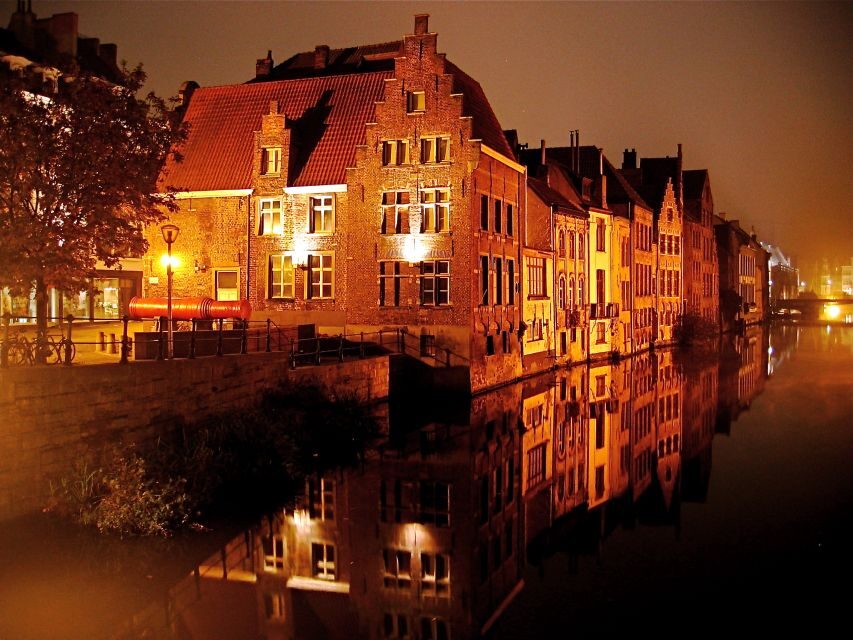
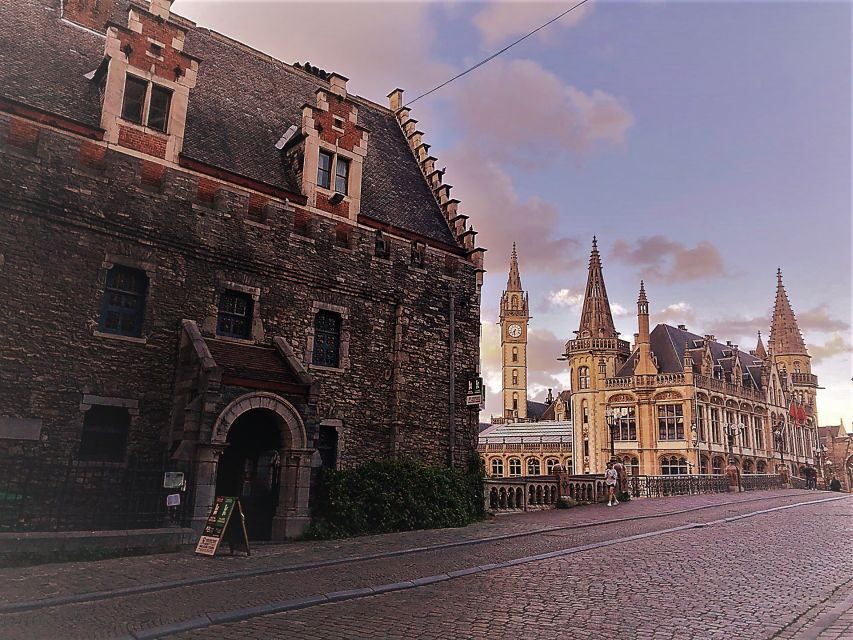
The tour finishes in the medieval quarter, very close to the city center. Patershol is a classic ending zone because it feels like you stepped into a chapter of old Ghent right at the end of the walk.
That matters because it lets you continue exploring while the story is still fresh in your mind. I’d treat this as your “after the tour” launchpad for wandering, grabbing a drink, or following the booklet’s suggestions.
What the booklet adds (and why it’s useful)
You get a booklet with discounts and gifts for restaurants, museums, and shops. That’s more than a nice extra because it turns your tour time into a couple of smart next moves.
Even if you don’t use every coupon, it’s a shortcut for deciding what to do next without guessing. And since this tour aims to reveal a different Ghent, the booklet can help you stay in that same mode instead of switching to generic sightseeing.
Guides and the storytelling factor: why some tours feel alive
This experience lives or dies by the guide’s storytelling. The reviews give clear clues about what to expect: lively pacing, interesting facts, and guides who genuinely enjoy showing their city.
Names that come up include Jerke, Florian, Kenny, and Hamraz. Multiple comments describe the guide as entertaining and willing to answer questions. That matters because a good private tour isn’t just narration. It’s a conversation, even if the guide leads the timing.
If you’re the kind of person who likes to ask why something is where it is, you’ll probably enjoy this structure. If you prefer silence and self-guided wandering, you may find you want a shorter, more straightforward route.
Who this tour suits best
This tour is a great fit if you want:
- A private guide and a route shaped around your interests
- A “dark stories” lens rather than a checklist of famous stops
- Short, guided history that ends in an area where you can keep exploring
It’s less ideal if you want:
- Only the most famous landmarks in a fastest-possible loop
- A long, sit-down museum-heavy schedule
- A kid-gloves tone that avoids anything spooky or mysterious
Practical tips so you enjoy it more
- Wear comfortable shoes. The city is historic, which usually means uneven ground.
- Bring a layer. Rain or shine is part of the deal, and you’ll still walk.
- Have one or two topics ready to request. The tour can be customized, so your questions can shape the route.
- Plan one flexible chunk after the tour. Finishing in the medieval quarter is a strong cue that you’ll want time to keep going.
Should you book Ghent: The Dark Side of Ghent Private Walking Tour?
Yes, if you like your city history with mood and meaning. The private format, the ability to customize, and the storytelling focus make this feel different from a standard “here’s the cathedral, here’s the castle” walk. Ending near the medieval quarter also helps you turn 90 minutes into a full evening of discovery.
I’d skip it only if you’re chasing a classic highlights route with minimal narrative. This tour is about interpretation, legends, and mystery as much as architecture.
If you book, do yourself a favor: show up ready to listen and ask a question or two. This is the kind of tour where that turns the whole walk from scenery into story.
FAQ
Where is the meeting point for the tour?
You meet in front of Hostel Uppelink. Your guide will wait there with a red umbrella.
How long is the Ghent private walking tour?
The tour lasts 90 minutes.
What does the tour include?
It includes a professional private guide.
Is food or drink included?
No. Food and drinks are not included.
What language options are available for the live guide?
The live tour guide is available in Spanish, Dutch, and English.
Is the tour private or shared?
It’s a private group tour.
Will the tour run in bad weather?
Yes. The tour takes place rain or shine.
Is the tour wheelchair accessible?
Yes. The tour is wheelchair accessible.
Can I customize the tour?
Yes. Since it is a private tour, it can be customized based on your preferences and your indications.