REVIEW · GHENT
Chocolate history workshop Ghent
Book on Viator →Operated by Chocolade Ambassade · Bookable on Viator
Chocolate starts with beans, not squares. In Ghent, this hands-on chocolate history workshop pairs a small-group tasting with time in a real chocolate shop where you get to make your own bar from cacao beans. It’s a practical way to understand what makes Belgian chocolate different without hopping shop to shop.
Two things I really like: you sample artisanal chocolate from different Belgian makers in one go, and you get an English guide who’s licensed/certified to walk you through what you’re tasting. One thing to plan for: the tasting room sits around 18°C to protect chocolate quality, so bring a sweater if you run cold.
In This Review
- Key highlights to know before you go
- A Small-Group Chocolate Workshop in Ghent’s Historic Center
- Entering Chocolade Ambassade: What Happens in Your 1.5 Hours
- Making Chocolate from Cacao Beans (Not Just Eating It)
- The Tasting: Belgian Chocolatiers in One Place
- The Chocolate History Lesson You’ll Actually Remember
- Hot Chocolate, Recipe, and What You Can Shop After
- Price and Value: Is $82.90 Worth It?
- Where to Put It in Your Ghent Day (Near Gravensteen and Graslei)
- Who This Workshop Suits Best (And Who Might Skip It)
- Should You Book This Chocolate History Workshop in Ghent?
- FAQ
- Where does the workshop start?
- How long is the Chocolate History workshop?
- What time does it run?
- Is the workshop in English?
- What’s included in the price?
- Do I need to bring transportation?
- How big is the group?
- What should I wear since the shop is cool?
- Is cancellation free?
Key highlights to know before you go
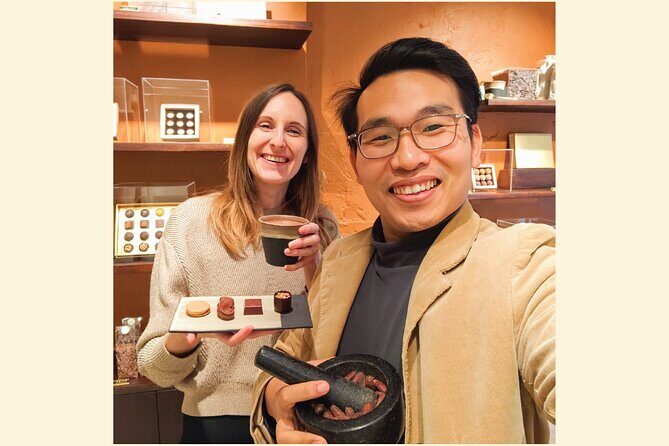
- Up to 6 guests for a more personal pace (not a crowded, one-size-fits-all class)
- Cacao-bean chocolate making as a real activity, not just watching demos
- Belgian chocolatier variety in one session, so you can compare styles fast
- Chocolate history built into the tasting, with a timeline from early drinking chocolate to modern pralines
- Hot chocolate with a recipe, plus water to keep you comfortable during sampling
- Ghent location near major landmarks, easy to pair with Gravensteen and Graslei/Korenlei
A Small-Group Chocolate Workshop in Ghent’s Historic Center
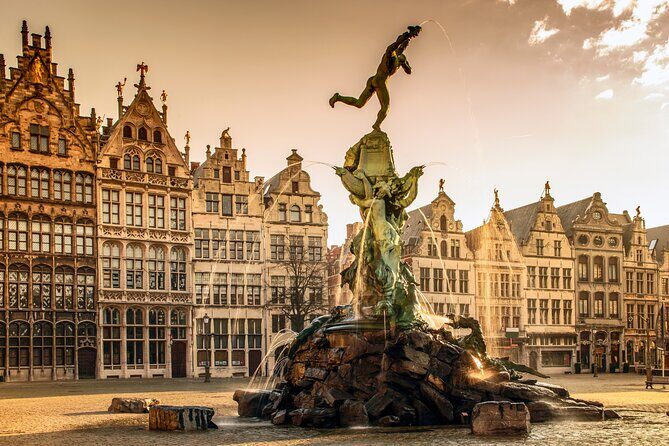
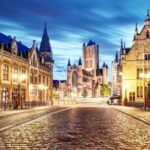
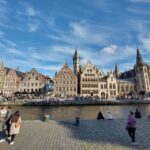
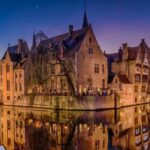
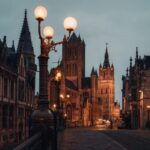
Ghent has that classic medieval-core vibe, and this workshop sits in the historic center—close to Gravensteen castle and about a short walk from Graslei and Korenlei. That matters because you can treat it like a “real plan,” not just a ticket you squeeze into the day.
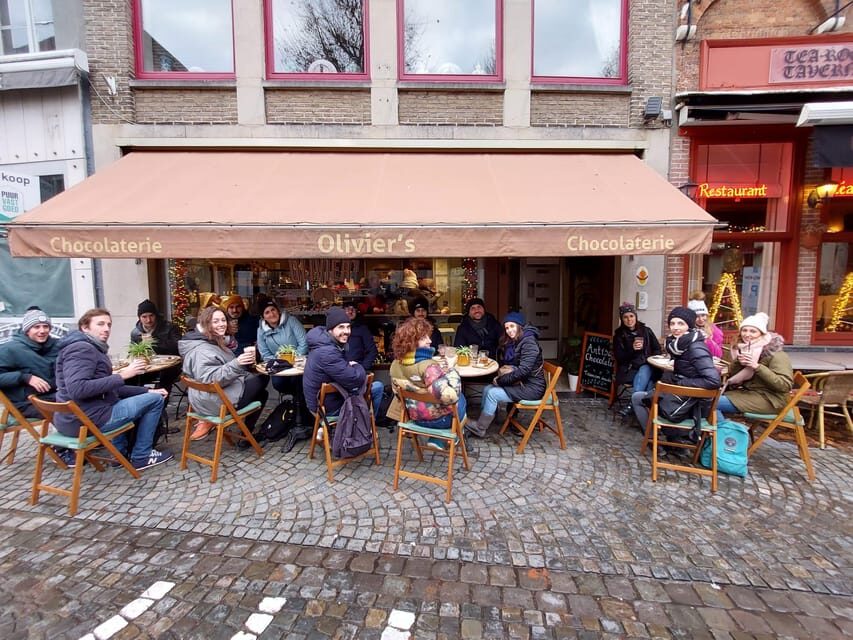
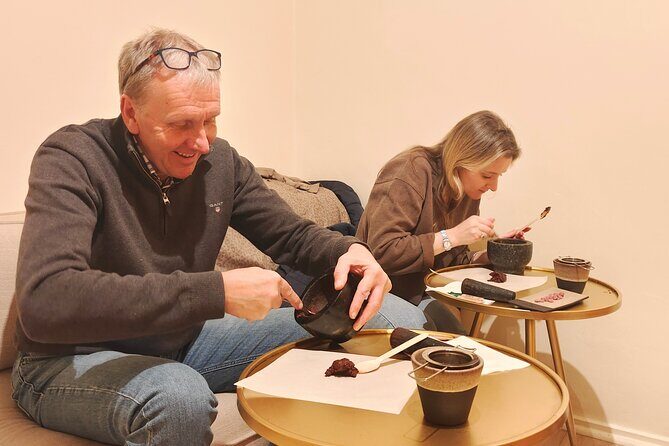
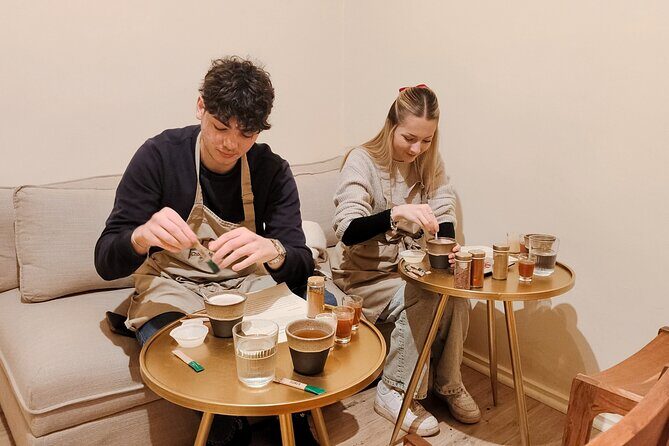
This experience is designed for small groups, with a maximum of 6 travelers. The upside is simple: fewer people means more time for questions, more chance to notice differences between chocolates, and a calmer tasting room where the guide can actually guide.
The location also helps you keep the day feeling effortless. You don’t need transport included here, and you won’t lose time crossing town just to get the chocolate fix.
You can also read our reviews of more historical tours in Ghent

Entering Chocolade Ambassade: What Happens in Your 1.5 Hours
Your session starts at Chocolade Ambassade: The Belgian Chocolate Experience at Kraanlei 3, 9000 Gent, with the activity running about 1 hour 30 minutes (ending back at the same meeting point). The standard start time listed is 11:00 am, so it fits nicely between morning sightseeing and an early lunch.
Inside, you’re not sent into a museum-style route. You stay in a tasting room and follow a guided flow: tasting, learning, then making. That structure is exactly what I want from a workshop—clear steps, no waiting around, and a timeline you can remember later when you’re choosing chocolates in shops.
Also worth noting: the room temperature is kept around 18°C to maintain chocolate quality. It’s a small detail, but it can change how much you enjoy the whole thing. If you get cold easily, grab a layer.
Making Chocolate from Cacao Beans (Not Just Eating It)
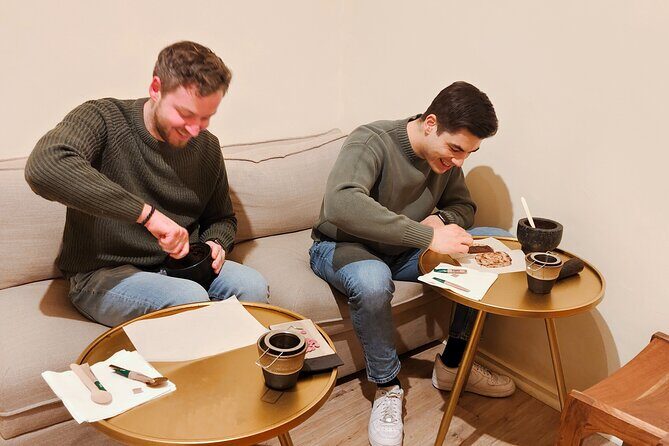
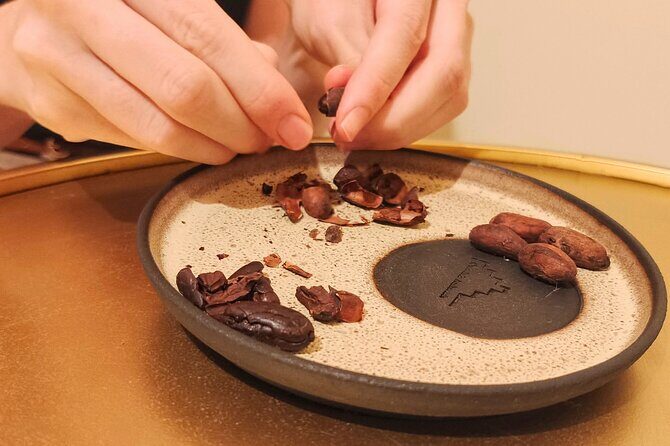
The main hands-on draw is the bar you craft yourself from cacao beans. That’s the big difference between this and many tastings where you only sample pre-made chocolates. Here, you get to participate in the process, which turns the experience into something you can talk through and repeat later.
What you get as part of the class includes:
- A chocolate bar crafted by you from cacao beans
- Belgian artisanal chocolates from different makers
- Cacao products
- Hot chocolate with recipe
- Water
Even if you’re not a cooking person, this kind of activity is useful because it makes flavor and texture feel less mysterious. You stop treating chocolate like a single taste and start thinking in terms of cocoa character, sweetness, and how chocolate behaves.
The workshop also includes a sense of “then and now.” One review highlights making versions inspired by 16th and 17th century chocolate items, then tasting modern pralines afterward. That pairing is clever: you’re not just learning terms, you’re linking them to what’s actually in front of you.
The Tasting: Belgian Chocolatiers in One Place
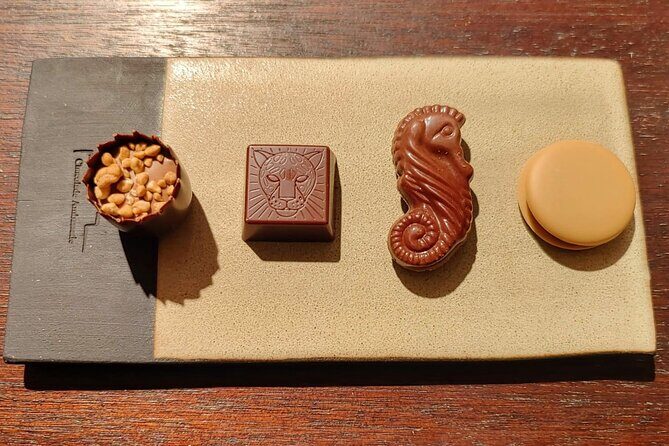
Belgium is serious about chocolate, and this workshop saves you a lot of wandering. Instead of visiting multiple shops, you sample artisanal chocolates from top chocolatiers across Belgium within about an hour.
That means you can compare styles quickly—things like sweetness level, cocoa intensity, and how different pralines or chocolate forms carry flavor. It’s also a practical way to figure out your own preference without spending a full day buying small bags and ending up overwhelmed.
Because it’s small-group, the guide can steer you toward noticing differences. And because you’re learning at the same time, you can connect what you like to the reasons behind it. That’s how tastings become decision-making tools rather than sugar breaks.
The Chocolate History Lesson You’ll Actually Remember
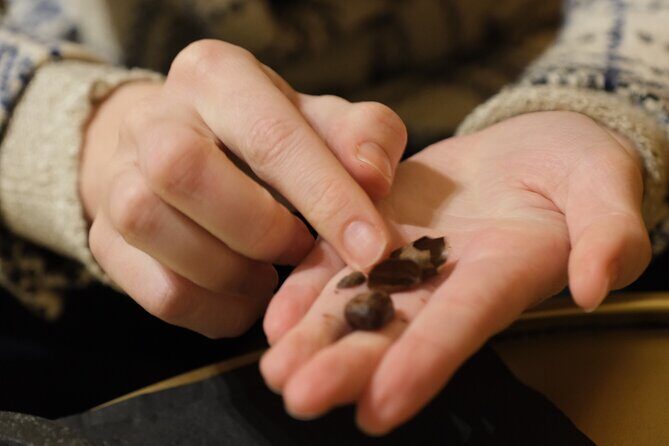
This is called a chocolate history workshop for a reason. You’re not only tasting; you’re following a timeline about the origins and evolution of Belgian chocolate.
You’ll learn how chocolate moved from early roots to the drink-and-sweet forms many people know today. One review specifically mentions tasting items as part of the timeline such as cacao fruit juice, cacao tea, and early drinking chocolate. Even if what you taste varies slightly by batch, the learning concept stays the same: chocolate history comes with what you can smell and sip, not just facts on a screen.
This also explains why the workshop can be a good alternative or companion to a chocolate museum. A museum gives context at a pace you control. A workshop gives context while you’re tasting and making—so it sticks.
Expect the guide to connect the history to what you’re currently experiencing. If you like your learning to be hands-on and snack-based, this format fits your style.
A few more Ghent tours and experiences worth a look


Hot Chocolate, Recipe, and What You Can Shop After
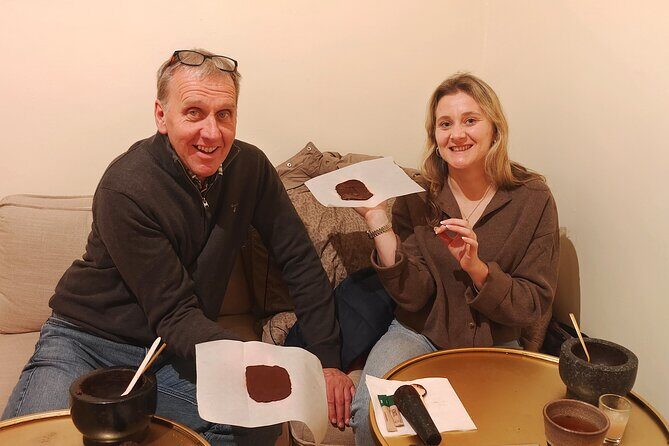
After the tasting and history portion, there’s time to do some chocolate shopping if you want. That’s worth taking seriously. Many people leave tastings with a vague idea of what they liked and no plan for where to buy it. Here, you already know the taste profile you prefer, so your shopping choices feel more confident.
You also get hot chocolate with a recipe. That’s a subtle but high-value extra: it gives you something practical to take home beyond chocolate you’ll eat immediately. It can be a nice souvenir, especially if you’re the type who likes to recreate experiences.
And yes—there’s water on the table. It sounds obvious, but it helps keep your palate clear through multiple samples, especially in a cooler room where you might not feel thirsty until later.
Price and Value: Is $82.90 Worth It?
At $82.90 per person for about 1.5 hours, you’re paying for three things at once:
1) A licensed/certified English guide
2) Hands-on cacao-bean chocolate making
3) A structured tasting with multiple Belgian makers plus cacao products and hot chocolate
For me, the value comes from the “all-in-one” design. If you tried to recreate the experience on your own, you’d likely spend money tasting multiple shops, and you’d still miss the guided timeline that explains what you’re tasting. This workshop is basically a shortcut to understanding and picking favorites.
It also uses the small-group format to add quality. If it were a large group, your questions and attention would get diluted. Here, your class size stays limited, and the guide can keep the pace friendly.
One timing note: the experience is often booked about 22 days in advance on average. If your trip dates are fixed, I’d book early so you’re not gambling on availability.
Where to Put It in Your Ghent Day (Near Gravensteen and Graslei)
Because the meeting point is near major landmarks, you can build a simple route around it.
A smart flow is:
- Morning around the historic center
- Walk over near Gravensteen
- Do the 11:00 am workshop
- Then continue wandering toward Graslei and Korenlei for photo time
This matters because it reduces transport time to almost nothing. The tour doesn’t include transportation, but the meeting spot is in an area where you can move on foot or via public transport with less friction than if it were outside the center.
If you’re doing a lot of walking that day, remember you’re in a cool shop for about 90 minutes. Plan your layers accordingly, and you’ll feel comfortable instead of “fidgety cold.”
Who This Workshop Suits Best (And Who Might Skip It)
This experience is a great match if you want chocolate learning that’s active. You’ll likely enjoy it most if you:
- like tastings where you can compare multiple styles
- want to learn the background without a full museum commitment
- enjoy hands-on making more than watching
It’s also a nice option for couples or friends because small groups keep the vibe social without being chaotic. It’s offered in English, which helps if you want the explanations to land clearly.
A possible mismatch: if you want a long, slow, museum-style chocolate education, 1.5 hours may feel short. This workshop is built for focus and momentum, not an all-day crawl.
Should You Book This Chocolate History Workshop in Ghent?
I’d book it if you want a compact, high-quality way to understand Belgian chocolate while making your own bar from cacao beans. The small-group size, English guide, and multi-maker tasting give you both flavor experience and context. And the hot chocolate with a recipe plus shopping time make it more than a classroom moment.
If you’re mainly looking for a chill chocolate snack without instruction, this may feel a bit structured for your taste. But for most people who love travel food and want more meaning behind what they’re eating, this is an easy yes.
FAQ
Where does the workshop start?
It starts at Chocolade Ambassade: The Belgian Chocolate Experience, Kraanlei 3, 9000 Gent, Belgium. The activity ends back at the meeting point.
How long is the Chocolate History workshop?
The duration is about 1 hour 30 minutes (approx.).
What time does it run?
The listed start time is 11:00 am.
Is the workshop in English?
Yes, it’s offered in English with an English guide that is licensed/certified.
What’s included in the price?
Included are a chocolate bar you craft from cacao beans, Belgian artisanal chocolates from different makers, cacao products, hot chocolate with a recipe, water, and the English guide.
Do I need to bring transportation?
Transportation is not included. The experience is near public transportation, and it takes place in the chocolate shop in central Ghent.
How big is the group?
The tour has a maximum of 6 travelers.
What should I wear since the shop is cool?
The tasting room temperature is around 18°C to maintain chocolate quality. Bringing a sweater is a good idea if you get cold easily.
Is cancellation free?
Yes. You can cancel up to 24 hours in advance for a full refund. If you cancel less than 24 hours before the experience starts, the amount paid is not refunded.