REVIEW · GHENT
Small Group Ypres Remembrance Day Filled With War History
Book on Viator →Operated by Belgium’s Wanderlust · Bookable on Viator
WWI remembrance hits different when it has names. This small-group Ypres Day turns Great War sites into a guided, human story, capped by the moving Last Post ceremony at Menin Gate.
I especially love the way the tour mixes serious battlefield ground with museum context, so you’re not just staring at plaques. I also like the small group size (max 8) and the steady pacing that gets you to the big moment on time.
One consideration: the day is long (about 10 to 11 hours) and emotionally heavy, so plan for a slow start and take your breaks when you can.
In This Review
- Key highlights worth planning around
- The point of a guided WWI day from Ghent
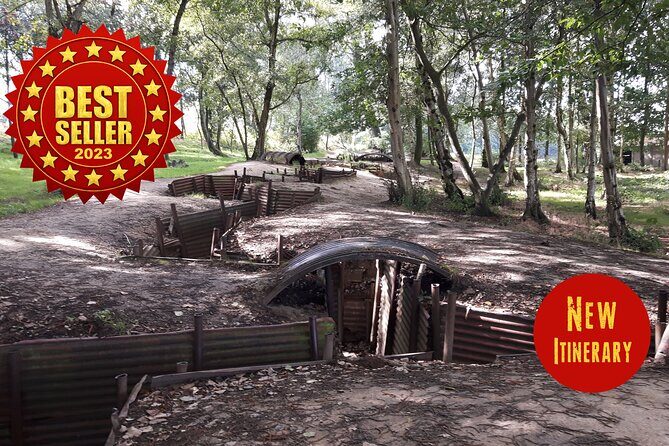
- Morning start: Getting to Sanctuary Wood on preserved battlefield ground
- The trench museum stop that makes everything else make sense
- Lunch break around Ypres: where the day breathes
- Ramparts Cemetery inside the old walls: the quiet shock of names
- Ypres Cloth Hall and chocolate tasting: a small, smart palette reset
- In Flanders Fields Museum: the reconstructed trench experience
- Menin Gate and Last Post: the ceremony that gives the day a spine
- Getting back to Ghent feeling finished, not rushed
- Price and value: what you’re really paying for at $419.29
- Who this tour fits best (and who should think twice)
- Should you book this Ypres Remembrance Day tour?
- FAQ
- How long is the Ypres Remembrance Day tour?
- What sites do you visit during the day?
- Is the tour in English?
- Is pickup available from Ghent-area hotels?
- How big is the group?
- Can I get a full refund if I cancel?
Key highlights worth planning around
- Sanctuary Wood (Hill 62): trench lines and artifacts on preserved battlefield ground
- Ramparts Cemetery: multinational graves within Ypres’s old city walls
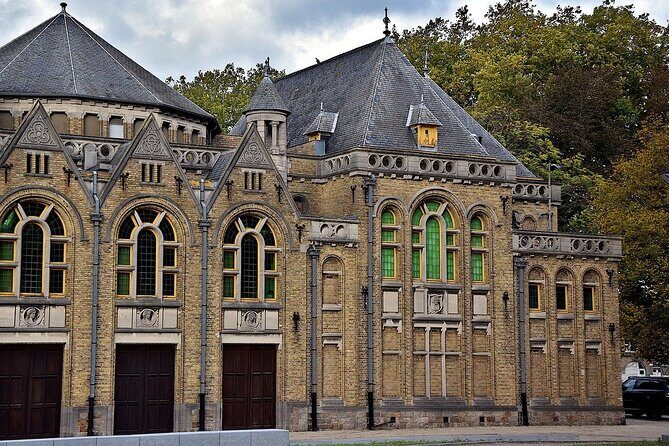
- In Flanders Fields Museum: a reconstructed trench experience in the Cloth Hall
- Chocolate tasting in Ypres centre: a small palate reset between somber stops
- Menin Gate and the Last Post: guided arrival so you’re in place for the ceremony
The point of a guided WWI day from Ghent
This trip is built around two things: logistics and meaning. You get transport from Ghent, a tight route through the best WWI anchors in and around Ypres, and enough context to understand why these places matter beyond their appearance.
With a maximum of 8 travelers, it stays personal. You can ask questions, and your guide can slow down when something needs explanation. That matters in WWI sites, where a little extra context can turn a memorial from background noise into something you truly understand.
Also, it’s English, with a mobile ticket and pickup offered. The tour runs from 10:00 am with travel time included, and the schedule is clearly designed so you don’t miss the evening ceremony.
You can also read our reviews of more historical tours in Ghent

Morning start: Getting to Sanctuary Wood on preserved battlefield ground
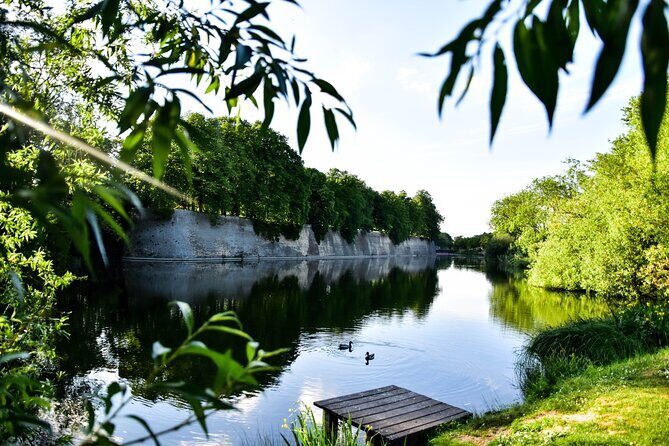
Your day begins with transport from your hotel area to Sanctuary Wood / Woodmuseum Hill 62. The drive is part of the total time, so you’re not wasting your morning figuring out transit or parking.
At Sanctuary Woodmuseum Hill 62, you’ll walk through preserved trenches, bunkers, and related artifacts. This is the kind of site where the ground itself tells the story. In a museum, you learn what happened. Here, you feel how close danger was, and how the war shaped daily movement through narrow lines of protection.
The entry here is listed as free, so the value isn’t the admission fee. The value is the guided interpretation and the time you’re given to actually experience the layout. The museum-and-trench pairing is key: trench walking alone can feel like it’s mostly about survival details, but trench + explanation ties it to the bigger battle story.
Practical note: this is a battlefield-style walking stop. Wear shoes you trust for uneven ground, and keep your pace steady. If you rush, you’ll miss the layout clues that make the place click.
The trench museum stop that makes everything else make sense
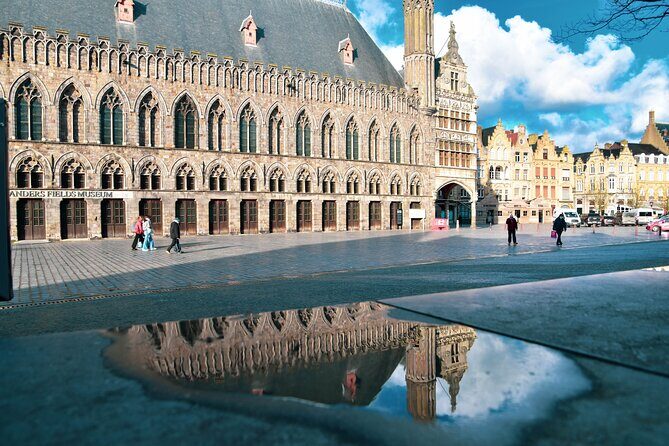
Sanctuary Wood works as the tour’s foundation. You’re learning the “language” of WWI combat: how trenches were used, where forces would have moved, and what survival meant day to day. When you later stand at cemeteries and memorials, you’ll have a clearer mental picture of how soldiers got from front line to burial ground.
That’s why this stop is worth taking slowly. The time allocation here is long enough to let you browse without feeling herded, about 2 hours on-site after the initial transit segment. If you’ve ever visited memorials and felt like you needed more context, this is the fix.
And there’s a balance built into the schedule. The tour doesn’t just pile on heavy sites back-to-back with no breathing room. It gives you a meaningful base, then moves you forward.
Lunch break around Ypres: where the day breathes
After Sanctuary Wood, the tour goes toward Ypres with a drive to a spot in nature to have lunch. This is scheduled at around 1 hour 45 minutes, and it’s more than a lunch break. It’s your reset point.
One of the smartest details in a long WWI day is giving you a moment where you can think like a person again, not just a history viewer. Eating, stretching, and getting fresh air helps your brain handle the later solemnity.
Some tours in this format also include an extra local touch during the meal. One account mentions a lunch with beer tasting, and later there’s also a mention of having a beer in town. The core point for you is that lunch is planned as a real break, not a snack stop.
If you’re sensitive to the emotional tone of the day, this is where you should slow down and decompress before the cemeteries.
Ramparts Cemetery inside the old walls: the quiet shock of names
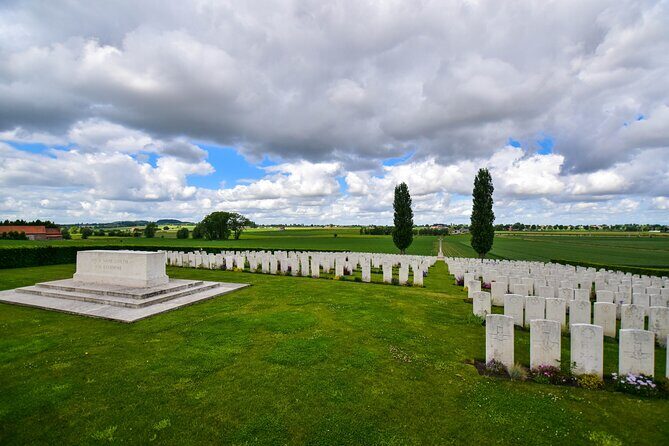
Next comes Ramparts Cemetery, located within Ypres’s historic city walls. This stop is about 1 hour, and the setting changes the feel of the memorial. Instead of an open field cemetery, you get a fortified, city-edge atmosphere.
As you walk among the graves, the thing you notice is the systematic care and the repetition of names. The cemetery’s location within the walls adds another layer: this is not a war museum display. It’s a final resting place tied to the town that carried on through and after the fighting.
The tour includes admission here, and the value again isn’t the ticket. It’s the guided framing and the time you have to take in the scale. WWI remembrance can get abstract fast. A cemetery with multinational graves helps you grasp that the conflict wasn’t only local. It involved many nationalities, and the loss was shared.
If you want to honor the experience properly, don’t treat this like a quick photo stop. Give yourself space to read and absorb. Even if you don’t read every stone, the repetition of names creates a rhythm that makes the sacrifice more real.





Ypres Cloth Hall and chocolate tasting: a small, smart palette reset
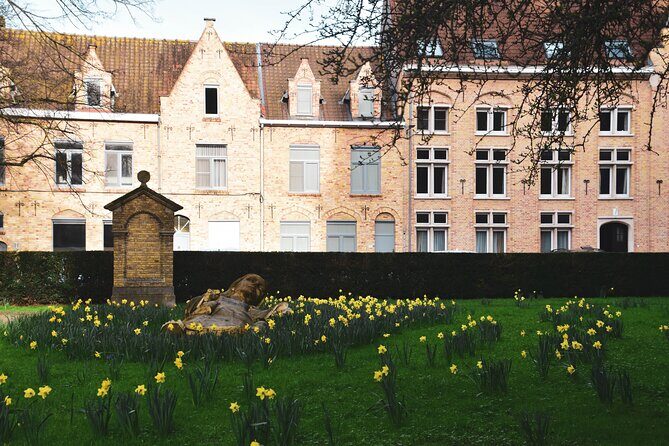
From Ramparts Cemetery, the tour moves into the Ypres Cloth Hall area, with time for a chocolate tasting in the city centre. This stop lasts about 1 hour and includes admission ticket time.
It might sound light compared to trenches and graves, but it’s a good design choice. After a somber cemetery stop, you need something that lets you reset your senses and keep the day enjoyable.
This is also your chance to experience Ypres in a more normal travel way. You’re walking streets, seeing the historic centre, and fitting your visit into the town’s real rhythm, not just war-time stops.
Chocolate tasting is included, so you’re not hunting for a snack on your own. It’s a simple way to keep energy up for the museum and the ceremony later.
In Flanders Fields Museum: the reconstructed trench experience
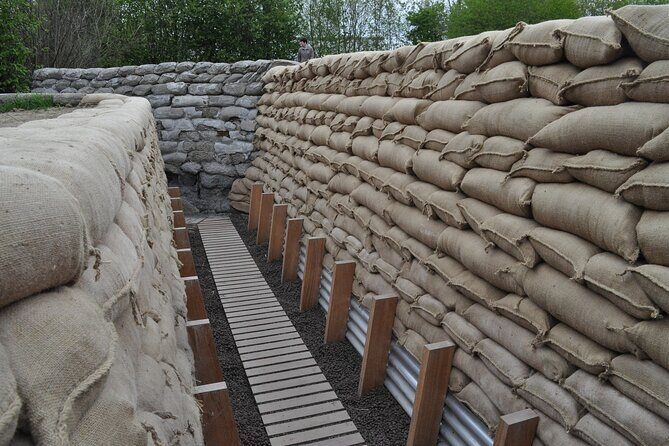
The centerpiece museum stop is In Flanders Fields Museum, housed within the historic Cloth Hall. You’ll have about 1 hour 30 minutes here, and admission is included.
The museum’s standout feature is the reconstructed trench setting. You encounter elements like sandbags and barbed wire in a way that helps you picture how soldiers lived in close quarters under constant threat. There’s also an account of sound effects tied to battle imagery, which turns the trench model into something you can understand physically, not only intellectually.
What makes this museum especially valuable is how it connects the technology and tactics of war to the human stories behind them. WWI is often taught as events and dates. Here, you’re pushed back toward people—what they carried, what they faced, and why remembrance continues.
If you like museums, you’ll likely enjoy how the site uses the Cloth Hall location itself as a backdrop of resilience and rebuilding. If you don’t usually love museums, this one is still easier to appreciate because the trench setting provides an immediate hook.
Menin Gate and Last Post: the ceremony that gives the day a spine

The last major stop is Menin Gate, with around 50 minutes there. This is where the itinerary earns its emotional weight, because the tour is timed for the Last Post ceremony.
Every evening since 1928—with the exception of the German occupation during World War II—the Last Post ceremony has taken place under the Menenpoort (Menin Gate). It’s organized by the Last Post Association and centers on the traditional bugle call known as the Last Post.
For you, the practical magic is timing. A tour like this doesn’t just say you’ll see the gate. It helps you arrive with enough structure and respect to take in what’s happening.
This ceremony is memorable because it’s simple. No grand theatrics. Just the bugle call, the names, and the idea that thousands of soldiers are remembered in one place.
One more detail that matters: Menin Gate is at the eastern entrance to Ypres, near where soldiers would have passed through on their way to the front. That geography connects the street you stand on today to the route war sent people away on.
If you’re going to be moved, it often happens right here. Give yourself quiet time, keep your phone away if you can, and let the moment land.
Getting back to Ghent feeling finished, not rushed
After the ceremony, you’re transported back to your hotel area, with about 1 hour for this return segment. The fact that the tour includes the return is a big quality-of-life detail, especially after a long day and an emotional event.
You’re not left figuring out late-evening transit or worrying about whether you’ll be late. You also avoid that common travel problem where the end of the day feels like a scramble.
Given the total length (10 to 11 hours), this matters. You finish with closure, not logistics.
Price and value: what you’re really paying for at $419.29
At $419.29 per person, this isn’t a budget hop. But for a guided day that includes major WWI anchors, the cost can make sense if you’re comparing it to the time and stress of planning yourself.
Here’s what you’re paying for in concrete terms:
- A small group (max 8), which improves the whole experience quality.
- Guided interpretation across multiple sites, including trenches, cemeteries, and museums.
- Entrance coverage and included ticket time at several stops (and some listed as free).
- Pickup offered plus transport from Ghent and back, including travel time.
- A schedule shaped around the Last Post ceremony timing.
Another value point: the tour is generally booked well in advance (on average 103 days). That usually means it’s in demand, often because people want the day handled for them. If you’re serious about WWI history, you likely don’t want to gamble on last-minute planning.
Group discounts are also listed. If you’re traveling with friends or family, it can lower your effective per-person cost.
Is it worth it? For many history-minded travelers, yes—especially if you want a day with structure and access to the moments that are hard to DIY cleanly.
Who this tour fits best (and who should think twice)
This is a strong fit if you:
- Want a guided WWI remembrance day that moves through the key sites near Ypres.
- Like small-group tours where you can ask questions and get clearer context.
- Care about arriving on time for the Last Post ceremony.
You might think twice if you:
- Need a lighter day with lots of free time and minimal walking.
- Don’t want to spend hours in solemn, war-focused settings.
One other fit detail: the tour is offered in English, and most travelers can participate. If you’re comfortable with a full day and some walking, it should work well.
Should you book this Ypres Remembrance Day tour?
I’d book this if your priority is a respectful, guided WWI day with the essential stops in the right order, ending with Menin Gate at Last Post. The small group size, the trench-and-memorial sequencing, and the ceremony timing add real value. At this price, the question isn’t whether it’s expensive—it’s whether you want the day handled for you so you can focus on learning and remembering.
If you’re the type who plans your own routes, you could DIY parts of it. But if you want a smooth, structured experience that keeps the emotional thread intact from Sanctuary Wood to the Last Post, this tour is a solid choice.
FAQ
How long is the Ypres Remembrance Day tour?
It runs for about 10 to 11 hours, and travel time is included in the total duration.
What sites do you visit during the day?
You’ll visit Sanctuary Wood (Woodmuseum Hill 62), Ramparts Cemetery, the Ypres Cloth Hall area (with chocolate tasting), In Flanders Fields Museum, and Menin Gate for the Last Post ceremony.
Is the tour in English?
Yes, the tour is offered in English.
Is pickup available from Ghent-area hotels?
Yes. Pickup is offered, and the live pickup location is shared on WhatsApp.
How big is the group?
The group size is limited to a maximum of 8 travelers.
Can I get a full refund if I cancel?
Yes. You can cancel up to 24 hours in advance for a full refund.