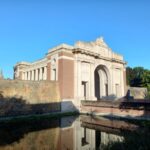
REVIEW · YPRES
Ypres: An exploration of the deadly salient battlefields
Book on GetYourGuide →Operated by Kimberley Wright · Bookable on GetYourGuide
Flanders stops you in your tracks. This is a tight, well-paced Ypres Salient battlefield day that turns “names on stones” into human decisions, medical delays, and brutal terrain. I especially love how the guide explains the CWGC casualty system in plain language, then you see it made real at cemeteries. The other big win for me is the time in the Yorkshire Trench area, where trench warfare feels less like a chapter and more like a place you can stand inside. One possible drawback: this tour is best if you’re okay with a serious, sobering mood and some walking on uneven ground.
You’ll be picked up in a small group (max 7) and driven by minivan between sites, which helps keep the day focused and not clogged with logistics. I also like that it includes perspectives from both sides, including Langemark German Military Cemetery, not just the Commonwealth story. If you’re hunting for quick photo stops with big scenic moments, this isn’t that kind of tour.
Key points at a glance
- CWGC casualty system made simple so the headstones mean more than dates.
- Yorkshire Trench and Dug-out for a hands-on feel of trench warfare.
- John McCrae memorial moment that connects writing, place, and loss.
- Tyne Cot Cemetery scale the CWGC’s largest in the world, with space for quiet.
- Passchendaele battlefields from the road for a ground-level read of the terrain.
- Langemark German perspective to see how the war was remembered on both sides.
In This Review
- Ypres Salient by minivan: what makes this route work
- Essex Farm Cemetery and the CWGC casualty system
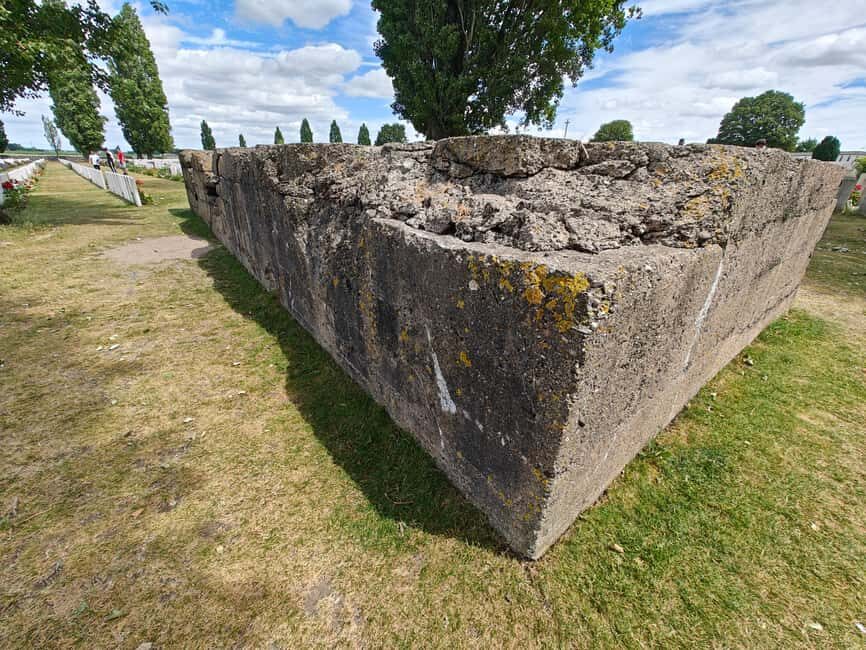
- Yorkshire Trench and Dug-out: trench warfare you can feel
- St Julien and the John McCrae memorial moment
- Passchendaele battlefields: reading the ground from the road
- Tyne Cot Cemetery: the CWGC giant that makes scale real
- Langemark German Military Cemetery: a harder, needed perspective
- Price and value: is $88 per person fair?
- Should you book this Ypres battlefield tour?
- FAQ
- How long is the tour in total?
- Where does the tour start and end?
- Is there an English-speaking guide?
- How big is the group?
- What sites are included?
- What should I bring?
- What’s included in the price?
- Is free cancellation available?
Ypres Salient by minivan: what makes this route work
This is a 210-minute tour built for attention, not endurance. You start in Ypres and ride in a dark blue Mercedes minivan with the Kims Battlefield Tours logo, which keeps the day moving while still giving you real time on the ground. With small-group limits (7 participants), you’re not lost in a crowd, and the guide can adjust explanations when someone needs a slower pace or a specific question answered.
The tone matters here. The sites are solemn, and the guide’s job is to hold onto accuracy without turning the day into a lecture. Many tours talk about the war; this one tries to help you understand how systems, terrain, and commemoration shaped what survived into today. You’ll also get English commentary throughout, and the guide uses visuals like photos and maps to give context fast.
Practical tip: pack comfortable shoes. The cemeteries and trench areas aren’t museum floors, and you’ll appreciate traction and cushioning.
Essex Farm Cemetery and the CWGC casualty system
Essex Farm Cemetery is where the tour shifts from broad history into the way the war is recorded. It’s guided, with about an hour on site, which is enough time to slow down. This is also the moment in the day when the guide’s explanation of the CWGC casualty system clicks into place.
What I like about starting with a cemetery is that it naturally explains the “why” behind the headstones. The Commonwealth War Graves Commission records and maintains graves so names, units, and the circumstances of burial aren’t left to guesswork. When you understand that system, the cemetery stops being a pretty arrangement and becomes an organized answer to chaos.
You’ll learn how casualties were documented and how that information connects to where people are commemorated. Then, standing among the graves, you can see how the planning of commemoration shaped post-war memory.
A small note to keep you comfortable: cemeteries can feel emotionally heavy even when the tour is respectful and informative. If you get overwhelmed easily, pace yourself. Bring your own “pause” rhythm—take a breath, step away for a minute, then come back.
You can also read our reviews of more tours and experiences in Ypres.


Yorkshire Trench and Dug-out: trench warfare you can feel
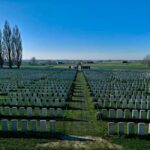
Next comes the area that tends to change visitors’ understanding the quickest: Yorkshire Trench and Dug-out. You get a guided visit here (about 25 minutes), which is the right length for a physical sense of confinement without turning the site into a long slog.
This is where trench warfare stops being abstract. You can feel the logic of why soldiers were spread into lines, why cover mattered, and why small decisions could become life-or-death. The dug-out experience is especially useful because it makes the “inside” world of trench life tangible. Even if you’re not a history buff, your brain understands space, shelter, and visibility in a more immediate way when you’re standing where those problems existed.
I like that the guide keeps the walking pace comfortable and the explanation clear enough that you’re not stuck translating everything mentally. The trench stops are also a good counterweight to the cemetery stops: one shows how people died, the other shows how they lived just to keep surviving.
Consideration: 25 minutes sounds short until you’re standing in a place that pulls your attention. If your goal is to photograph every angle, you may feel slightly rushed. If your goal is understanding, it’s a solid amount of time.
St Julien and the John McCrae memorial moment
From the trench area, the day moves toward commemoration and the words connected to the front. You’ll visit St Julien’s memorial area (guided time here is about 25 minutes), including the John McCrae memorial moment. It’s one of those stops where “history” becomes personal in a different way because it connects to a writer’s role in shaping how the war was understood and remembered.
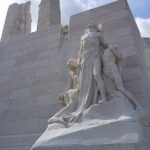
St Julien is also tied to Canadian remembrance, and the tour includes the Brooding Soldier at Vancouver Corner. That statue isn’t just artwork. It’s a visual shorthand for the grief and waiting that soldiers and families lived with. The guide’s job is to connect the monument to the events and the people behind it, so you don’t just read symbolism without context.
This part of the tour is valuable if you want a fuller picture of the Ypres fighting beyond the front-line mechanics. It brings in how nations commemorated loss and how memorials created a map of meaning after the guns stopped.
One practical tip: if you’re prone to cold, bring something extra. Memorial sites and cemeteries can feel colder than the town, and lingering respectfully often takes longer when you’re standing still.
Passchendaele battlefields: reading the ground from the road
Then you get the advantage of mobility: you drive across the Passchendaele battlefields and see the terrain from key viewpoints. You’re not walking all day across mud and ruts, but you do get that crucial sense of place. The Ypres Salient was shaped by drainage, elevation, and visibility—so seeing the ground helps you understand why tactics didn’t always match reality.
This is also where the guide can connect what you’ve just seen at the trenches and cemeteries to what happened during major pushes. When you look at the space between ridges and low ground, it becomes easier to picture movement under fire, the difficulty of supply, and why the same problems kept returning.
I appreciate that this portion gives your brain a “big picture” moment without pulling you away from the seriousness of the sites. It’s the same war, just seen from a wider angle.
Consideration: if you’re the kind of traveler who gets motion-sick, a minivan ride between stops can feel long. The tour time is still reasonable, and there are enough short stretches of driving that it shouldn’t become unbearable for most people.
Tyne Cot Cemetery: the CWGC giant that makes scale real
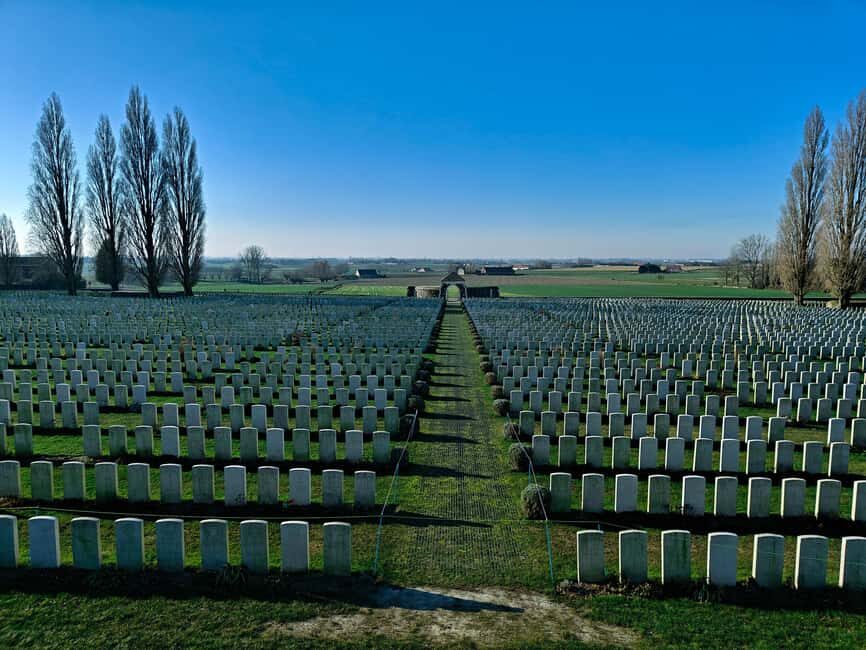
Tyne Cot Cemetery is one of those places where scale hits you in the chest. You’ll have about 45 minutes here, guided, which is long enough to take in the rows and still absorb the guide’s interpretation. Tyne Cot is the largest CWGC cemetery in the world, and that fact isn’t a trivia flex. It changes how the entire tour feels.
When you’re in a cemetery of that size, you stop looking for individual stories one-by-one and start understanding the war as mass loss. The guide helps you hold both thoughts at the same time: personal names and the overall human cost. That balance is what makes the visit more than a list of dates.
I also like how the cemetery setting gives you room to think. Unlike a battlefield overlook, there’s no need to “perform” your reaction. You can just stand, read, and let your brain do the work.
If you’re traveling with someone who wants a quieter tour, Tyne Cot is often the best match. It’s not loud or showy. It’s steady. It’s the kind of place where your emotions have time to catch up with the facts.

Langemark German Military Cemetery: a harder, needed perspective
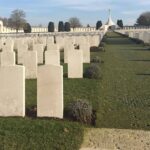
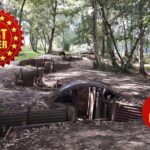
One reason I recommend this tour is that it doesn’t treat the war as one-sided. You’ll visit Langemark German Military Cemetery (about 45 minutes guided) to learn the German perspective on the conflict and how remembrance took shape after the fighting.
This stop matters because it corrects a common problem. Many battlefield tours present only one national narrative. Here, you see that the war left scars on everyone, and that commemoration has its own language depending on who built it and why.
Langemark also helps you understand the limits of “single story” history. Even if your interest is primarily Commonwealth history, you still get more context about what the ground meant to German soldiers, and what families faced when the war ended.
Balanced history doesn’t mean everything feels equal, of course. It means you see the full human footprint, not just one version of it.
Practical tip: bring a moment of patience. Cemeteries with large numbers of graves can feel repetitive visually, so the guide’s context is what keeps it moving emotionally rather than turning into numb scanning.
Price and value: is $88 per person fair?
At $88 per person for about 3.5 hours, the value comes from what’s included: hotel-area pickup and drop-off in a minivan, a live English guide, and a small group capped at 7. You’re also not just touring one site. You’re hitting multiple cemeteries, trench terrain, memorials, and viewpoints—exactly the mix that’s hard to piece together well on your own without losing time and meaning.
The guide is central to the price. The tone throughout is factual and structured, with explanations supported by visuals like photos and maps. In plain terms: you’re paying for someone to connect the dots so you don’t leave with only locations.
Where the price might feel less fair is if you only want one or two stops. But the tour is designed as a connected route: systems at CWGC cemeteries, physical understanding at trenches, and broader context from the Passchendaele viewpoints.
Should you book this Ypres battlefield tour?
If you want a guided day in the Ypres Salient that’s serious but not cold, I’d book it. It’s especially worth it if you care about understanding the war rather than just collecting snapshots. The small-group size, the minivan pickup convenience, and the thoughtful stop choices add up to a good use of a short trip.
I’d pass if you’re looking for a light, casual outing, or if you can’t handle cemeteries and memorials emotionally. Also, if you’re booking last minute, plan with care, because the operator notes that short-notice availability may be harder to accommodate.
If you’re going to Ypres and you want this region to make sense in your head, this is one of the most efficient ways to do it in a single morning or early afternoon.
FAQ
How long is the tour in total?
The duration is 210 minutes, so plan on about 3.5 hours from pickup to return.
Where does the tour start and end?
It starts with pickup in Ypres and returns you to Ypres at the end.
Is there an English-speaking guide?
Yes, the tour includes a live tour guide in English.
How big is the group?
The group is small, limited to 7 participants.
What sites are included?
You’ll visit Essex Farm Cemetery, Yorkshire Trench and Dug-out, Langemark German Military Cemetery, St Julien Canadian War Memorial (including the John McCrae memorial area and Vancouver Corner/Brooding Soldier), Tyne Cot Cemetery, and you’ll also drive across the Passchendaele battlefields.
What should I bring?
Wear comfortable shoes since you’ll be on foot at multiple outdoor sites.
What’s included in the price?
The price includes pickup and drop-off at an agreed location and transport between sites in a minivan.
Is free cancellation available?
Yes, you can cancel up to 24 hours in advance for a full refund.