REVIEW · YPRES
In Flanders Fields and Passchendaele Half Day Morning Tour
Book on Viator →Operated by Ypres Battlefield Tours · Bookable on Viator
Steel helmet country hits fast.
This Flanders Fields and Passchendaele half-day tour is a tight loop through the Ypres Salient, where you’ll see cemeteries, trenches, and memorials up close instead of just reading names on a page. It’s also paced for real conversation, not a rushed bus lecture.
I especially love two things: the blend of cemeteries and preserved fighting positions (you get context with every stop), and the small-group feel—max 8 travelers—that makes it easier to ask questions and hear stories clearly.
The main drawback to consider is the short format. With only about 3.5 hours, you’ll get a strong overview and key sites, but you won’t have hours to linger at each one like you could on a full-day tour.
In This Review
- Key things that make this tour worth your time
- A 3.5-hour loop through the Ypres Salient
- Starting with Sanctuary Wood: why the ground still matters
- Sanctuary Wood Museum: the trench view plus an €8 cost
- Essex Farm Cemetery: dressing-station reality, not just names
- Langemark Cemetery and the Nazi connection you should know
- Saint Julien Memorial: the first gas attacks, in a short stop
- Passchendaele in 15 minutes: the “legacy” stop
- Tyne Cot Cemetery: the emotional finish you’ll remember
- Transport, timing, and group size: why the logistics matter
- Price and value: what $108.84 buys you
- Who should book this tour (and who might prefer something else)
- Quick practical tips before you go
- Should you book this Flanders Fields and Passchendaele tour?
- FAQ
- How long is the Flanders Fields and Passchendaele half-day morning tour?
- What’s included in the price, and what costs extra?
- Where does the tour start in Ypres?
- What if I’m visiting on a Monday?
- Is the tour suitable for most people?
- Can I cancel for a full refund?
Key things that make this tour worth your time
- Small-group size (up to 8) for calmer, more personal explanations
- Air-conditioned vehicle that helps you reach the harder-to-get places around Ypres
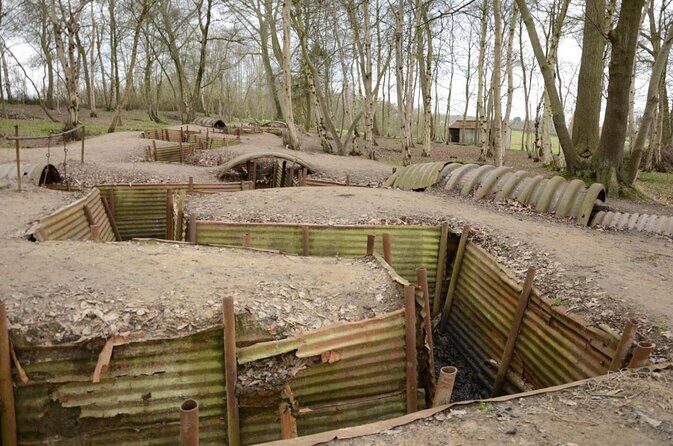
- Sanctuary Wood opening plans including trench visits and a museum option when it’s open
- Major memorial stops like Saint Julien and Tyne Cot in a well-paced route
- Clear WWI connections between front-line realities and what came after
- Time to soak it in: multiple stops give you breathing room, not just drive-by photos
A 3.5-hour loop through the Ypres Salient
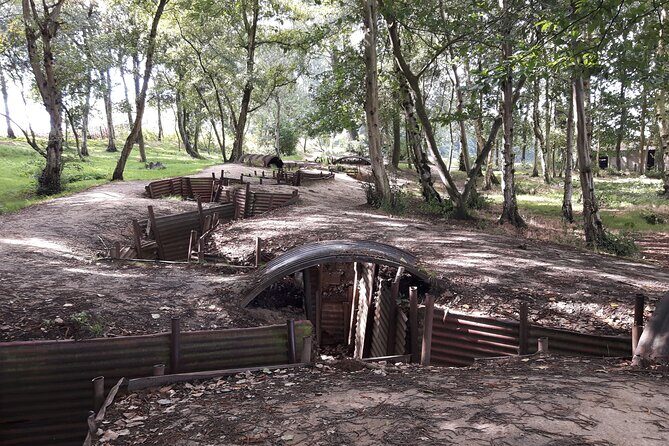
This is a half-day morning tour that starts at the train station area in Ypres and brings you back to the same meeting point. Expect roughly 3 hours 30 minutes, with most of the time spent at specific sites rather than idling on the road.
The format matters. When you’re visiting WWI sites in Belgium, the place names can blur together. This tour is built to keep them connected—so you understand what was happening in the Ypres Salient and why that area became such a focus of the war.
You’ll also travel in an air-conditioned vehicle, which is a practical comfort in both warm summer months and cooler early-season mornings. And with a maximum of 8 people, you’re not stuck shouting to be heard over a crowd.
You can also read our reviews of more tours and experiences in Ypres.



Starting with Sanctuary Wood: why the ground still matters
You begin at Sanctuary Wood, where the guide sets the scene with an overview of the fighting in the Ypres Salient. This first stop is short, about 30 minutes, but it does an important job: it gives you a mental map before you start walking among the reminders.
Why this helps: WWI sites can feel like separate postcards—cemetery here, trench there, memorial somewhere else. Starting with the big-picture story helps you read the ground. You start to notice patterns: where control mattered, how trenches shaped movement, and why the area changed hands and stayed brutal.
If you like tours that explain what you’re seeing in plain language, this start is a good match. The group size also means you can ask follow-up questions without waiting for the bus to stop again.
Sanctuary Wood Museum: the trench view plus an €8 cost
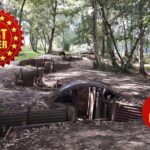
Next comes Sanctuary Wood Museum, roughly 50 minutes. This is where you get a more hands-on feel for the preserved trenches and the way the fighting zone looked and functioned.
Two practical notes for planning:
- The museum entrance fee isn’t included. Budget €8.00 per person.
- The museum is not open on Mondays. If you’re on a Monday tour, you’ll visit alternative trenches instead.
Even if you’re not a museum person, this stop tends to work because it’s still tied to the same physical story you started hearing about at Sanctuary Wood. You’re not switching topics halfway through. You’re adding detail.
One more tip: wear comfortable shoes. Even when time is planned, you’ll want to move at a walking pace and look closely.
Essex Farm Cemetery: dressing-station reality, not just names
After the museum, the tour shifts to Essex Farm Cemetery for around 30 minutes. This cemetery is known for preserved remnants tied to how the wounded were handled, including dressing station bunkers and the procedure for evacuation.
This stop hits a different note than the combat viewpoints. You’re not only thinking about where fighting happened; you’re also seeing what came after—how casualties were processed and moved, and why the system behind the front line mattered just as much as the front itself.
It’s also a helpful contrast point. When you’ve just learned about trenches and positions, the evacuation story puts human urgency into the timeline. You begin to understand that the war’s impact wasn’t limited to the moment of attack.
Langemark Cemetery and the Nazi connection you should know
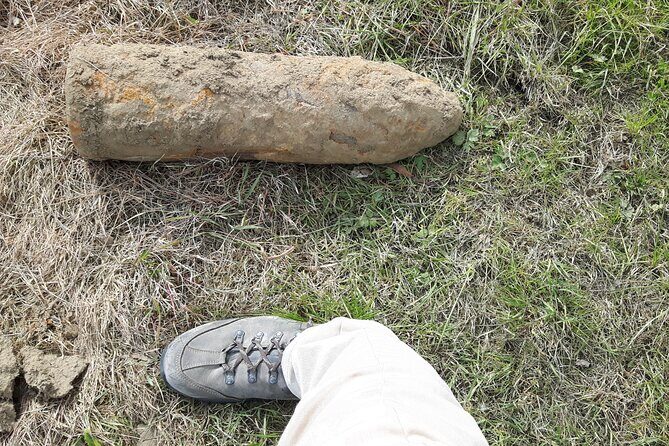
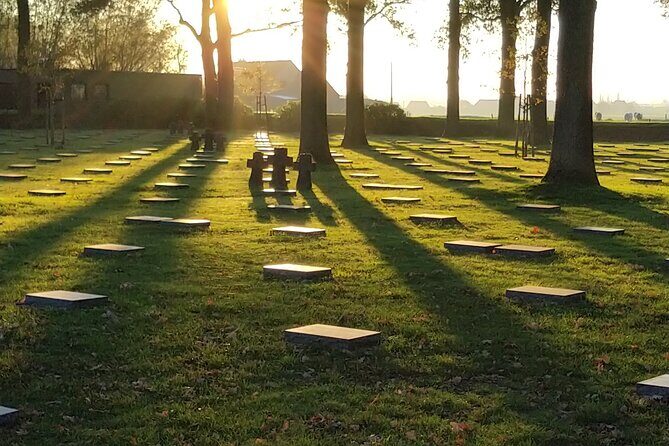
Next is Langemark Cemetery, around 30 minutes. This is the German cemetery with about 44,000 burials, and it includes strong historical links to later political use—specifically connections to Hitler and the Nazis in World War Two.
This is one of those stops where context truly changes the experience. Cemeteries aren’t just about the dead. Over time, people build meaning around them. Knowing the Nazi link doesn’t mean the tour becomes political—it means you understand how memory can be repurposed long after the battlefield quiets down.
If you’re the kind of traveler who likes to connect the dots (how propaganda uses graves and symbols, how nations tell their own war story), this stop will stand out for the right reasons.
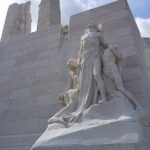
Saint Julien Memorial: the first gas attacks, in a short stop
You then move to Saint Julien Memorial for about 10 minutes. This is brief by design, but it focuses your attention on a key wartime turning point: the story of the first gas attacks.
Even in a short time, the tone here can feel heavy. A memorial stop works best when you’re not trying to “power through” for photos. Give yourself a minute to read what’s there, then let the guide connect it back to the bigger war picture you’ve already been building.
This is also a reminder of why a guided tour helps. You see the memorial, but you also hear what made gas so alarming in its early use and how it changed expectations around warfare.
Passchendaele in 15 minutes: the “legacy” stop
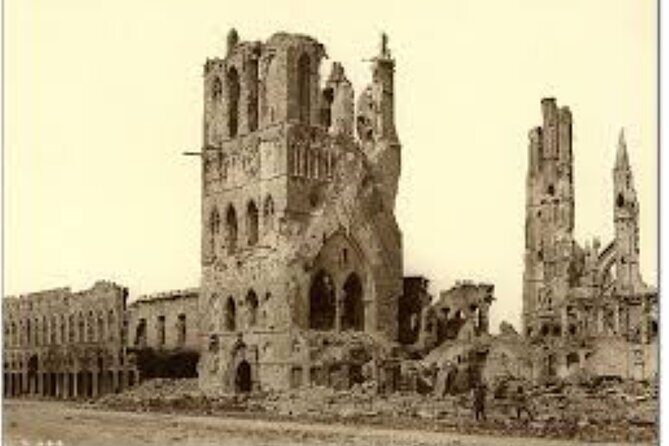
After Saint Julien, the tour reaches Passchendaele, about 15 minutes. This isn’t a long site break. Instead, it functions as a quick but pointed stop to connect the Ypres fighting with the broader battlefields of Passchendaele and the legacy of the Great War.
Here’s the practical way to think about this stop: it’s your “threading the timeline” moment. If you’re trying to fit a lot into a half day, this keeps your route coherent. If you were hoping for extended wandering, consider pairing this tour with a longer independent plan later.
But for an overview tour, it’s a smart placement. It tells you where the story goes next, beyond the cemeteries that dominate the earlier stops.
Tyne Cot Cemetery: the emotional finish you’ll remember
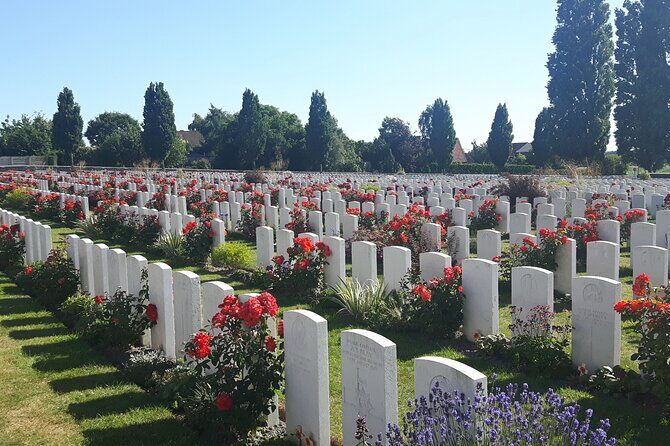
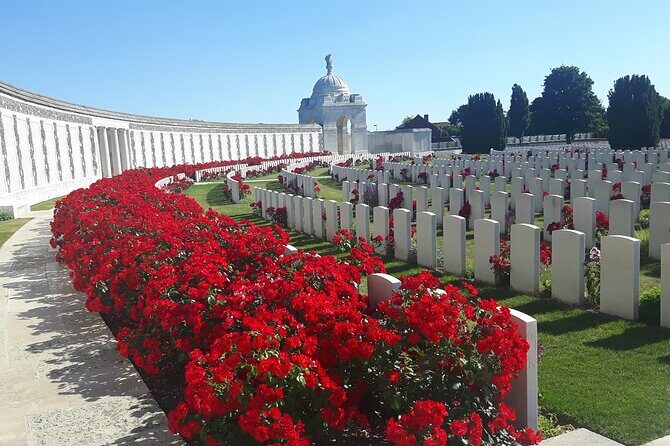
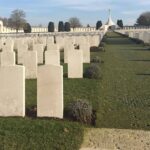
Finally, you reach Tyne Cot Cemetery, about 35 minutes. This is described as the largest British and Commonwealth War grave cemetery in the world, and that fact alone signals why it’s such an anchor of any Ypres-area WWI visit.
In a half day, Tyne Cot is the emotional heavyweight. The sheer number of graves forces you to shift from “seeing sites” to processing scale. This is exactly where a good guide helps—because you’re not only looking at stones. You’re understanding why these places were created and what they represent.
If you want to take time for photos and quiet reading, this stop gives you enough room. It’s also a good place to slow down and let the earlier explanations settle into something more personal.
Transport, timing, and group size: why the logistics matter
This tour starts at Station Ieper, Colaertplein 35, 8900 Ieper at 10:00 am, and ends back at the same meeting point. You’ll have mobile ticket access, and the tour is offered in English.
A maximum of 8 travelers is a meaningful detail. It usually means:
- fewer waiting moments,
- better audio for the guide’s explanations,
- easier pacing if you need a restroom break or want to linger.
The air-conditioned vehicle also helps you conserve energy for the on-foot parts. You’re going to spend real time looking at cemeteries and trench remnants, and comfort makes those stops more enjoyable, not just bearable.
If you’re coming by train, this meeting point is convenient since it’s near public transportation. It’s also one of the reasons this works well as a morning add-on to a Belgium itinerary.
Price and value: what $108.84 buys you
At $108.84 per person, this isn’t a bargain ticket. But you’re not just paying for entry fees at a couple of monuments. You’re paying for a guided circuit through some of the most important WWI spaces around Ypres, including time at multiple sites and transport in an air-conditioned vehicle.
Here’s the practical value math:
- Many stops have free admission, so you’re mostly paying for the experience and the guide-led structure.
- The only specific extra you should plan for is the Sanctuary Wood Museum entrance fee (€8).
- You also get a route built for understanding, not just stamping locations.
You’re basically buying time and clarity. If you tried to DIY this route, you could do it, but you’d spend more effort piecing together the “why” behind each stop. With a small group and a guide, you get the connections faster and with less stress.
Also, this tour is frequently recommended based on an overall 5/5 rating and a high recommendation rate. The consistent theme in the feedback is that the guide made the sites easier to understand and emotionally more meaningful, without turning it into a cold lecture.
Who should book this tour (and who might prefer something else)
This tour is a strong pick if:
- you want a good overview of the Ypres Salient and key memorial sites,
- you’re short on time but still want multiple stops instead of one big monument,
- you appreciate a small-group approach where you can ask questions,
- you want cemeteries and trench-related stops, not only battlefield viewpoints.
It may be less ideal if:
- you’re hoping for lots of free wandering time at each cemetery or museum,
- you’re visiting mostly for photography and want long stretches without narration,
- you’re looking for a full-day deep dive where every stop gets extended time.
The half-day length is the tradeoff. You get focus and momentum. You give up the luxury of lingering for hours.
Quick practical tips before you go
A few things I’d do to make the morning go smoothly:
- Bring a light layer; weather around Ypres can shift fast.
- Plan for walking among memorial grounds and preserved trench areas, even if stops are timed.
- If Sanctuary Wood Museum matters to you, confirm whether your day is affected by the Monday closure pattern.
- If you have family connections or names you want to look for later, have a few notes ready before the tour. A good guide can often help you orient yourself in the story around memorials.
Also, with a lot of the tour spent outdoors, treat it like any cold/gray battlefield morning: comfortable shoes, patience, and time for quiet looking will pay off.
Should you book this Flanders Fields and Passchendaele tour?
Yes, if you want a focused, respectful, small-group introduction to WWI around Ypres. The best part is the way the tour connects places—Sanctuary Wood to trenches and museum context, then cemeteries that cover both the front-line story and what followed, and ending at Tyne Cot when the scale hits hardest.
If you have limited time in Belgium and you want something more meaningful than a DIY wander, this is a smart investment. And if you like asking questions, the up to 8 travelers format makes that easier than on bigger group tours.
FAQ
How long is the Flanders Fields and Passchendaele half-day morning tour?
It’s about 3 hours 30 minutes.
What’s included in the price, and what costs extra?
The tour includes an air-conditioned vehicle. Sanctuary Wood Museum entrance is not included and costs €8.00 per person.
Where does the tour start in Ypres?
The meeting point is Station Ieper, Colaertplein 35, 8900 Ieper, Belgium, and the tour ends back at the same place.
What if I’m visiting on a Monday?
Sanctuary Wood Museum is not open on Mondays, so the tour visits alternative trenches instead.
Is the tour suitable for most people?
The tour lists most travelers can participate, and service animals are allowed.
Can I cancel for a full refund?
Yes. Free cancellation is available up to 24 hours in advance for a full refund. If you cancel less than 24 hours before the start time, the amount paid is not refunded.