REVIEW · YPRES
From Brussels: Flanders Fields Remembrance Full-Day Trip
Book on GetYourGuide →Operated by BRUSSELS CITY TOURS · Bookable on GetYourGuide
WWI in Flanders hits hard, even on a coach. This full-day trip takes you from battlefield sites like Passchendaele to big memorials and cemeteries, finishing with the Menin Gate Last Post at 8 p.m. I especially love how the day moves in a clear story line, from what led to the war to what it did to real people, and how the guide helps you read the places instead of just staring at them. One possible drawback: it’s a long day, and the scheduled time at the In Flanders Fields Museum can feel short for history nerds.
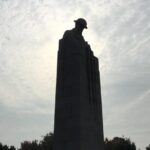
You also get some genuinely moving moments beyond the big names: a stop at the statue of the Brooding Soldier for Canadian sacrifice tied to the first German gas attack, plus a visit to where Dr John McCrae wrote In Flanders Fields. The trade-off is that the route can run extra long, and at least a couple of groups reported time spent for passenger pick-ups on the way to/from the region.
In This Review
- Key highlights you’ll feel (not just see)
- A long WWI day from Brussels that actually has a plan
- Meeting point and what to expect from the coach ride
- German cemetery stop: the sobering tone starts early
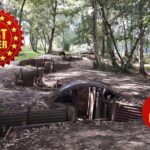
- Passchendaele battlefield: reading the ground instead of just visiting it
- The Brooding Soldier and Hill 60: Canadian sacrifice with specific anchors
- Ypres break and museum time: plan your expectations for the clock
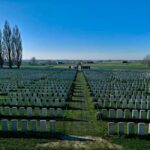
- Tyne Cot Cemetery: the Commonwealth scale is hard to forget
- Essex Farm and Dr John McCrae: where words came from
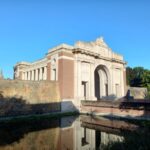
- The Last Post at Menin Gate: why the ending is so powerful
- Price and value for $107: what you’re actually paying for
- Who this tour fits best (and who should consider alternatives)
- Should you book this WWI day trip?
- FAQ
- How long is the Flanders Fields full-day trip?
- Where do I meet the tour in Brussels?
- What’s included in the price?
- Is the Last Post Ceremony included, and when is it?
- Is this tour wheelchair accessible?
- What should I bring for the day?
- Is free cancellation available?
Key highlights you’ll feel (not just see)
- Passchendaele battlefield sites and trench-area viewpoints that make the scale real
- Tyne Cot Cemetery, the largest Commonwealth cemetery in the world
- In Flanders Fields Museum with WWI stories focused on trench warfare
- Brooding Soldier statue and the Canadian gas-attack commemoration
- Essex Farm field hospital area linked to Dr John McCrae’s poem
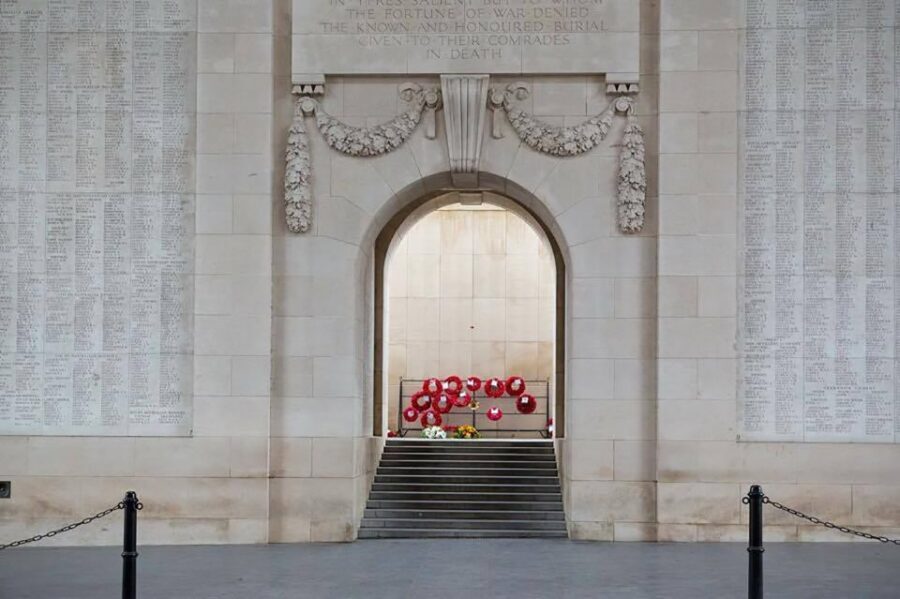
- Menin Gate Last Post Ceremony—a daily tribute for missing Commonwealth soldiers and officers
A long WWI day from Brussels that actually has a plan
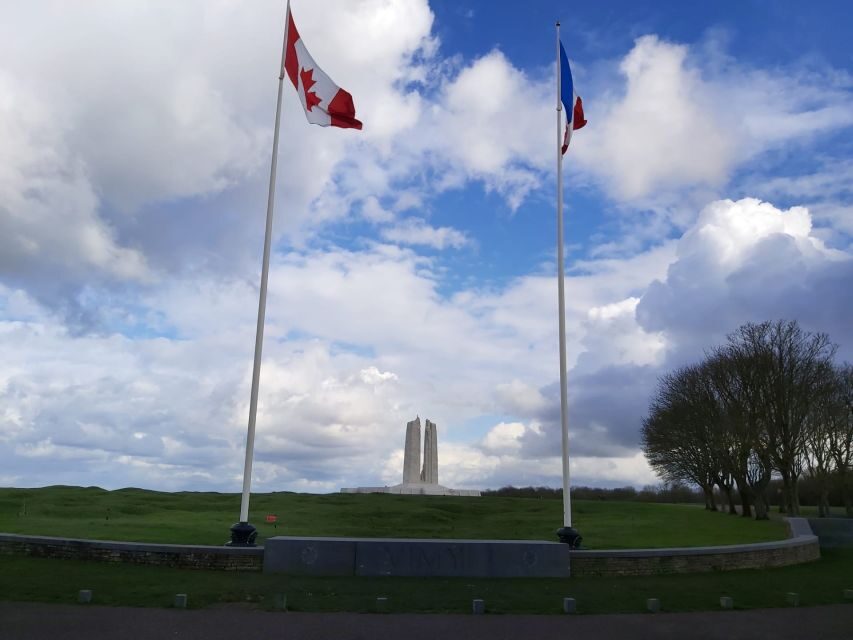
This tour is built like a single, steady thread: you leave Brussels and spend the whole day working through the First World War in the Ypres area. Even before the big stops, your guide sets context along the drive—how the conflict unfolded, what people expected at the start, and why it became so brutal.
The best part for me is that you’re not stuck doing a random museum-and-graves shuffle. The sites connect: battlefield → commemoration → museum stories → cemetery → the poem’s birthplace → the evening ritual. You end the day with the Last Post, so the final hour doesn’t feel tacked on. It feels like closure you can hear.
Yes, it’s long—about 13 hours from the start until the return. But if you’re the type who wants to understand what happened in one concentrated swing, the pacing is the point.
A few more Ypres tours and experiences worth a look
Meeting point and what to expect from the coach ride
You start at Bd de Berlaimont 18, meeting the Keolis coach outside the National Bank of Belgium. That detail matters because this is one of those tours where missing your coach isn’t a small problem.
Once you’re rolling, the bus ride isn’t just transit. The guide uses the travel time to explain the war’s setup and timeline, often with map-style storytelling. That helps when you arrive at places where the remains are quiet and sparse—you know what you’re looking for.
If you hate long seated time, plan for it. Wear comfortable shoes (you’ll be walking in and around cemetery grounds and memorial areas). And if you’re sensitive to stops, keep your expectations flexible: some people reported extra passenger pick-ups that added time in the bus.
German cemetery stop: the sobering tone starts early
One of the early stops is a German Cemetery that’s described as especially moving. This matters because a lot of WWI tours focus mainly on one side’s losses. Here, you begin with a broader view of the human cost, so the rest of the day doesn’t stay one-sided.
From there, the drive shifts toward WWI trench sections, with the guide setting up what these areas represent and why the geography mattered. In places like this, it’s less about dramatic action and more about scale, placement, and the way people were trapped by terrain and technology.
Passchendaele battlefield: reading the ground instead of just visiting it
Passchendaele is the battlefield stop that many people come for, and it’s set up as more than a photo opportunity. You’ll visit battlefield areas that tie into the trench warfare story your guide has been building.
What I like here is that the tour doesn’t treat the war like a vague backdrop. It gives you the “why” behind what you’re seeing—how the fighting played out, and how it fits into the larger First World War narrative.
The main consideration is time. You can only cover so much terrain in one day, and at least one review noted the tour could have incorporated trenches even more for a fuller battlefield feel. Still, if you want a guided, structured introduction to the Passchendaele area, this is one of the better ways to do it without getting lost.
The Brooding Soldier and Hill 60: Canadian sacrifice with specific anchors
After the trench-area approach, you’ll hit two of the most emotionally focused and historically specific stops:
1) The Monument of the Brooding Soldier
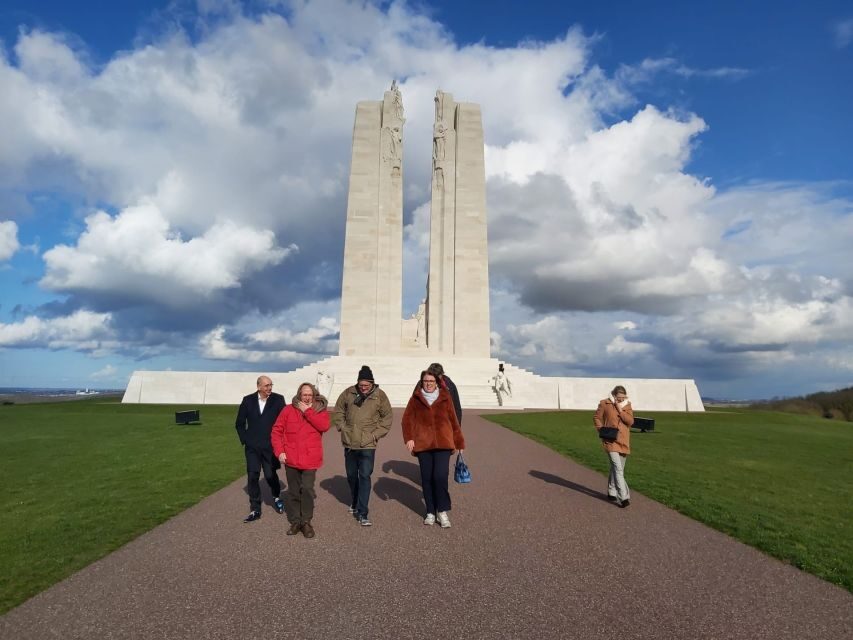
This statue commemorates the sacrifice of 2,000 Canadian soldiers during the first German gas attack. This is the kind of stop where the guide’s framing changes your reaction. You’re not just seeing a monument—you’re being guided toward what it represents and why it’s located there.
2) Hill 60
You’ll learn that Hill 60 was dug by tunnelling companies of the Royal Engineers before falling into German hands. That detail helps the battlefield make sense as engineering and strategy, not only infantry suffering.
These stops work well because they give you named references—Canadian, Royal Engineers, Hill 60—so you can build mental “hooks” to keep the day understandable.
A few more Ypres tours and experiences worth a look
Ypres break and museum time: plan your expectations for the clock
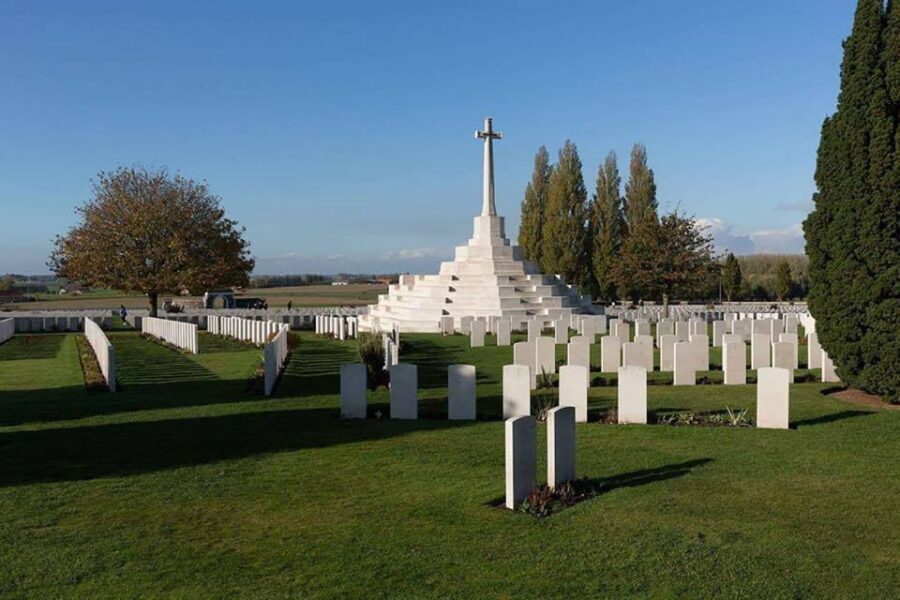
After the main battlefield moments, you get a short lunch in Ypres and then some time for exploring. Reviews describe lunch options as decent for a day-trip meal, though quality can vary.
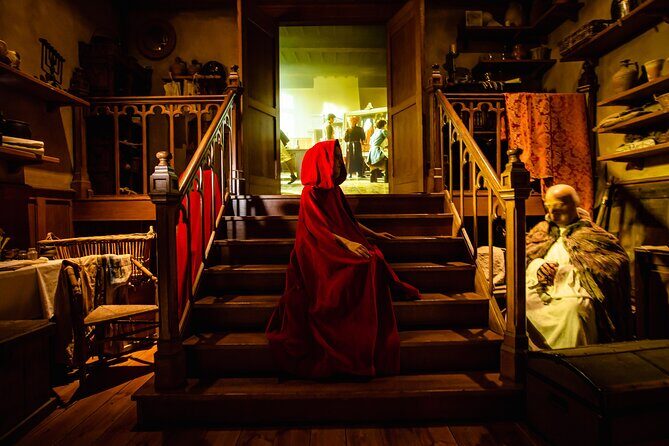
Then comes In Flanders Fields Museum in Ypres. The museum is included, which is a big deal for value because you’re paying for entry as part of the tour price. The museum visit is also one of the emotional anchors of the day, with stories designed around four years of trench warfare.
Here’s the practical warning: several people reported that the museum time slot felt tight—some mentioned only about one hour, even 35 minutes in one case. If you love museums, you might want more time to read slowly and take in exhibits fully. If that’s you, you can still enjoy it, but mentally prepare for a fast-paced overview rather than a long sit-down study.
Tyne Cot Cemetery: the Commonwealth scale is hard to forget
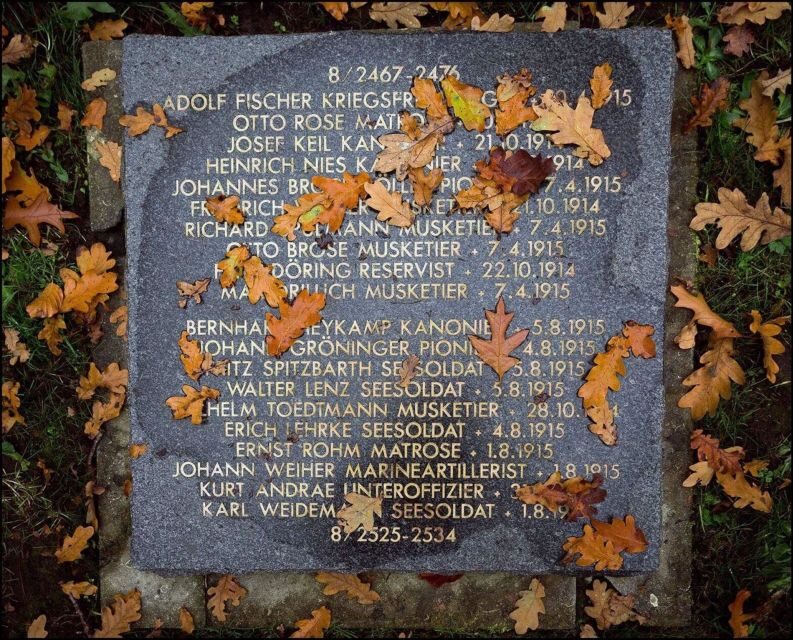
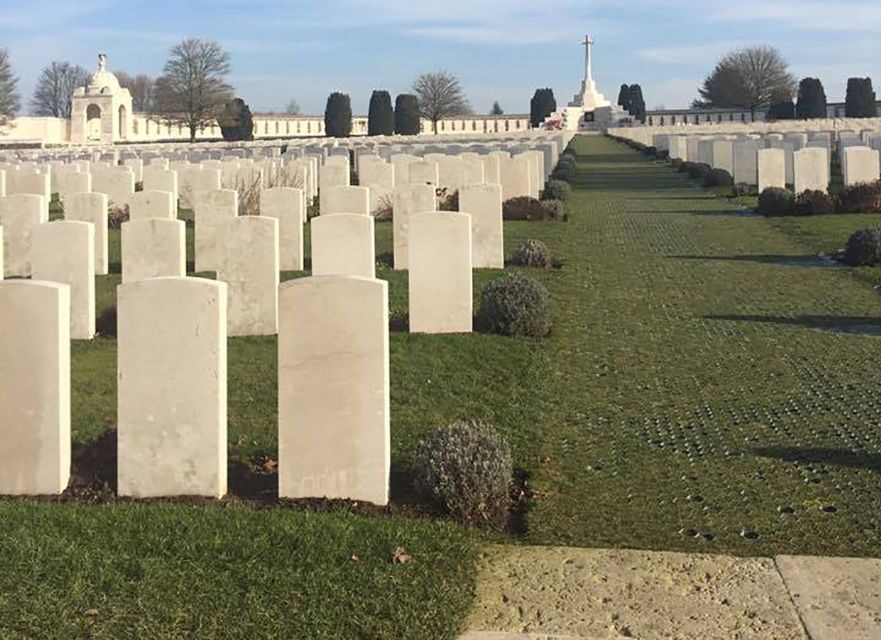
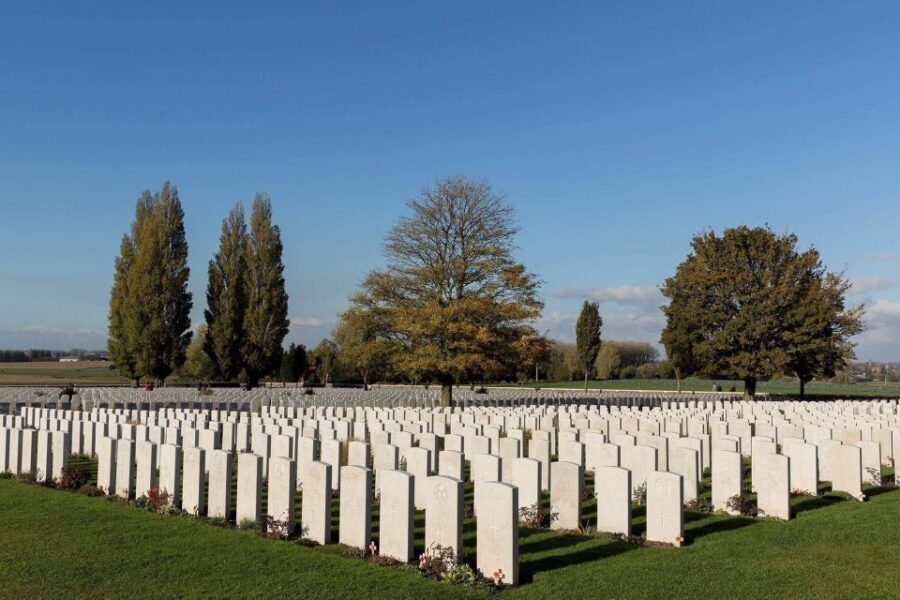
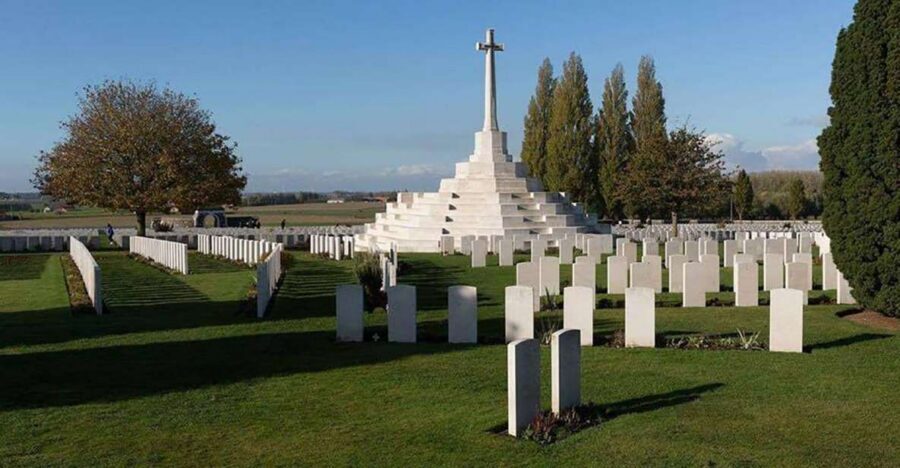
Next is Tyne Cot Cemetery, described as the largest Commonwealth cemetery in the world. This isn’t the place for quick sightseeing. You’ll feel the number of graves, but it’s also structured in a way that encourages quiet attention.
You also get a geographic breadth of remembrance. The cemetery includes soldiers from the British, Irish, Australian, and Canadian forces. That mix matters—WWI isn’t just one national story here. It’s a shared Commonwealth loss concentrated in one region.
The guide’s commentary at places like Tyne Cot is what helps you connect the dots between battlefield sites and burial sites. Without that, you’d still see a cemetery full of names. With it, you get a stronger sense of how the fighting turned into rows of remembrance.
Essex Farm and Dr John McCrae: where words came from
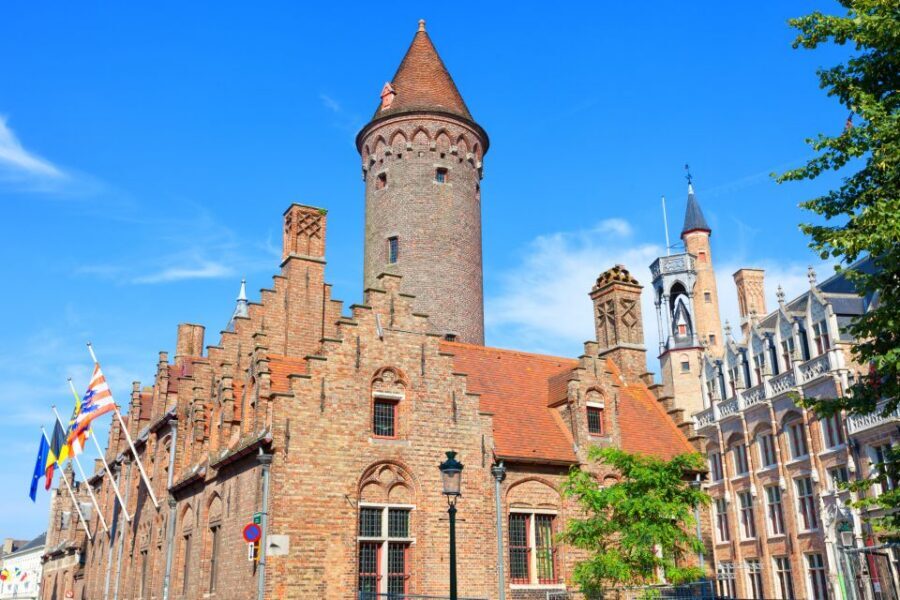
After Tyne Cot, the tour goes to Essex Farm, the field hospital area. This stop links directly to Canadian field surgeon Dr John McCrae, who wrote the famous poem In Flanders Fields.
For me, this is one of the most effective transitions in the whole day: you go from reading graves to understanding that the war produced literature as a form of meaning-making. Even if you don’t know the poem’s background, standing where it’s connected to the doctor’s experience makes the text feel less like school content and more like witness.
If you’re a fan of WWI writing, this stop lands especially well. If you’re not, it still works because it shows how people processed horror and grief.
The Last Post at Menin Gate: why the ending is so powerful
Your day culminates in Ypres with the 8 p.m. Last Post Ceremony at Menin Gate. The tour is set up so you can attend this daily tribute honoring Commonwealth soldiers and officers missing after battle.
This is the “don’t skip this part” segment. Even for people who aren’t big on military history, the ceremony’s simplicity is what makes it hit. It’s not loud. It’s focused. And it’s timed so you’re not rushing away right after the last big cemetery photo.
A practical thought: because this is the final event, the whole day’s pacing makes sense. You’re not leaving the emotional core of the tour behind. You’re finishing with it.
Price and value for $107: what you’re actually paying for
At $107 per person, this isn’t a bargain, especially for a long day-trip. But the value is more solid than it looks at first glance.
You’re paying for:
- Roundtrip coach transport from Brussels over a full day
- A professional English guide who provides continuous context
- Entrance to In Flanders Fields Museum
- Access to the schedule that fits the Last Post Ceremony
Could you recreate parts of this with public transit and your own planning? Yes. But you’d spend time coordinating, and you might not easily line up the ceremony. And in a region like this, context is everything—one missed explanation can leave you with names on stone but no “story spine.”
So I’d frame the cost like this: you’re buying structure and timing, not just transportation.
Who this tour fits best (and who should consider alternatives)
This tour is a strong match if you:
- want a guided WWI overview in one day
- care about both battlefield sites and memorial culture
- like the discipline of a schedule that ends with the Last Post
It may not be the best match if you:
- need lots of quiet time in museums (some reports say museum time feels short)
- get frustrated by long days and bus time
- need accessible routes on the ground (it’s not recommended for limited mobility, and it’s not suitable for wheelchair users)
Should you book this WWI day trip?
Yes, if you’re coming to Flanders for meaning, not just “checking boxes.” The combination of Passchendaele, Tyne Cot, the McCrae link at Essex Farm, and the Menin Gate Last Post is a powerful sequence. Add the included In Flanders Fields Museum entry, and you get a day that feels intentional.
I’d book it with two expectations set in advance: it’s long, and you may have limited time inside the museum depending on the exact schedule. If that doesn’t bother you, this tour delivers the kind of concentrated, guided WWI experience that’s hard to replicate on your own.
FAQ
How long is the Flanders Fields full-day trip?
It runs for 13 hours, though starting times can vary.
Where do I meet the tour in Brussels?
Meet at the Keolis coach outside the National Bank of Belgium at Bd de Berlaimont 18.
What’s included in the price?
The tour includes a professional guide, roundtrip by coach, and entrance to In Flanders Fields Museum.
Is the Last Post Ceremony included, and when is it?
Yes. The tour includes the 8 p.m. Last Post Ceremony at Menin Gate.
Is this tour wheelchair accessible?
No. It’s not suitable for wheelchair users and isn’t recommended for people with limited mobility.
What should I bring for the day?
Bring comfortable shoes for walking around cemetery and memorial areas.
Is free cancellation available?
Yes. You can cancel up to 24 hours in advance for a full refund.