REVIEW · GHENT
Historic Highlights, by a local guide
Book on Viator →Operated by Agelandkaai Tours · Bookable on Viator
A history walk through Ghent, made personal. The route is taught by Jürgen, a professor of history, and he connects everyday details to big events in a way that stays fun. I especially love the way he gives stories behind buildings, and I like that the walk takes you past major landmarks and the older neighborhoods that explain how Ghent grew. One thing to consider: several stops have sights where entry isn’t included, so you may want a little extra time and money if you go inside.
This is the kind of guided walk that helps you get your bearings fast. In about two hours you cover key points tied to Ghent’s origins at the Leie and Schelde confluence, the power of abbeys and counts, and even the ideas behind the Socialist movement at Vrijdagmarkt.
It’s also practical. You’ll start near Hagelandkaai 53 and finish around Oudburg 17, and the tour runs with a small cap (max 20 people) and a mobile ticket. Wear comfortable shoes, because this is still a walking tour, and you’ll feel it if you’re not used to cobbles and city streets.
In This Review
- Key highlights worth planning for
- Why this tour feels like a guided lesson, not a scripted walk
- Price and what you actually get for $40.33
- Two hours, one route: from the river’s start to Vrijdagmarkt’s politics
- Stop 1: Hagelandkaai (Agelandkaai) and the lockside story
- Stop 2: Bisdomkaai and the Leie–Schelde confluence
- Stop 3: St. Bavo’s Cathedral and the Lam Gods by Van Eyck
- Stop 4: Kouter and the 18th–19th century atmosphere
- Stop 5: Hotel d’Hane Steenhuyse and a palace you might miss
- Stop 6: Gravensteen and the castle of the Flemish counts
- Stop 7: Patershol and the oldest-quarter feel
- Stop 8: Vrijdagmarkt and the Socialist movement explanation
- The guide makes the city feel understandable
- Practical tips so you get more out of the walk
- Should you book this Ghent historic walking tour?
- FAQ
- How long is the Ghent walking tour?
- How much does the tour cost?
- Is admission included for major stops like St. Bavo’s Cathedral and Gravensteen?
- Where does the tour start and end?
- What time does the tour start?
- How big is the group?
- Is free cancellation available?
- Is the tour suitable for people who need service animals?
Key highlights worth planning for
- A history teacher, not a reciter: Jürgen’s background as a history professor shows in how he explains cause-and-effect across centuries
- Ghent’s origin point gets real context: you’ll connect the city’s start near the Leie–Schelde confluence to what you see today
- St. Bavo’s Cathedral stop is about more than looking: Lam Gods by Van Eyck is the headline, plus there’s a virtual tour option
- You’ll see where power sat: the walk includes the area tied to counts and the Flemish rulers at Gravensteen
- Old streets come with local flavor: Patershol’s oldest-quarter feel comes through, and there’s a simple food perk you can use
- The ending points to ideology, not just architecture: Vrijdagmarkt includes an explanation of the Socialist movement
Why this tour feels like a guided lesson, not a scripted walk
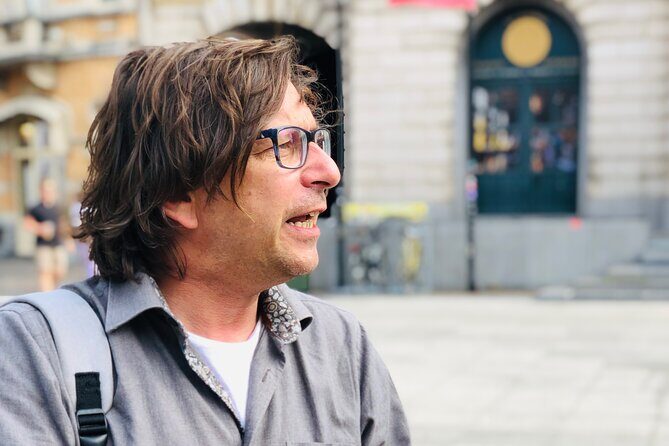
This tour works because the guide teaches the city the way a good teacher would. Jürgen doesn’t just list dates. He ties what you’re standing in front of—locks, riverbanks, cathedrals, palace rooms—to why people cared at the time. In the end, you don’t just collect photos. You understand what you’re seeing.
Two things I think you’ll really like. First, the explanations are built around the full story behind key places, which keeps the walking pace lively. Second, the guide clearly adjusts to the group’s needs. That means questions land well, and the tour doesn’t feel like it’s stuck on a single track.
The biggest trade-off is also the simplest: it’s a walking tour with several places that aren’t automatically included. Admission isn’t included at St. Bavo’s Cathedral, Gravensteen, and other notable stops. If your plan is go-inside-everything, you may need to decide what matters most and accept a bit of flexibility.
You can also read our reviews of more guided tours in Ghent



Price and what you actually get for $40.33
At about $40.33 per person for roughly two hours, the value here comes from two places: time and translation of complexity into something easy to hold onto. Ghent’s story can feel layered—church power, guild wealth, river trade, and political shifts. A good guide saves you from guessing.
You’re also not paying for a giant bus tour. The group size is capped at 20, which keeps it conversational. In practice, it often feels intimate, the kind of walk where you can ask why something changed and get an answer that makes sense.
You’ll also receive a mobile ticket. That’s not flashy, but it removes a lot of friction. For a city walk that depends on timing, being able to show your ticket on your phone helps.
Two hours, one route: from the river’s start to Vrijdagmarkt’s politics
The tour is built like a timeline you can walk through. You begin where the water and castle defenses once shaped the city, then you move through religious power, art history, and major neighborhoods, ending with politics and modern Ghent energy. Along the way, you’ll get broad context too—how early roots in the region relate to later industrial change, plus practical tips on where to eat and drink.
Here’s how the stops fit together and why each one matters.
Stop 1: Hagelandkaai (Agelandkaai) and the lockside story
You start at Hagelandkaai 53. This is the launch point for the whole walk, and it’s a strong one because it ties Ghent to water management and fortifications. The area connects to the Napoleon De Pauw lock and, back in the 16th century, to the mote around the Spanish Castle.
Why it matters: in Ghent, rivers and defenses are part of the same lesson. If you understand how water was controlled, a lot of later city development clicks into place.
Stop 2: Bisdomkaai and the Leie–Schelde confluence
Next you head toward Bisdomkaai, where the tour connects the dots between the old St. Baafs abbey area and the confluence of the Leie and Schelde. This is described as the point where Ghent originated.
Why it matters: standing near the river meeting point makes the origin story feel less like trivia. You can see why a settlement would grow here—water routes, trade, and the practical advantages of geography.
You can also read our reviews of more historical tours in Ghent






Stop 3: St. Bavo’s Cathedral and the Lam Gods by Van Eyck
Then comes St. Bavo’s Cathedral, home to the Lam Gods (The Ghent Altarpiece) by Van Eyck. The tour includes a note about a virtual tour option inside the cathedral, which is worth using if you want more than a quick look from the outside.
What to watch for: this stop is one of the best reasons to plan your time. If you want to see the cathedral’s inside story, admission isn’t included, so you may need to add time for that virtual visit or decide what you can manage in the walking schedule.
Stop 4: Kouter and the 18th–19th century atmosphere
From the cathedral area, you move to Kouter, and the walk shifts from medieval weight to the feel of the 1700s and 1800s. This is where the guide helps you sense how the city’s mood changed—less about a single institution and more about everyday urban life.
Why it matters: Kouter gives you that in-between picture of Ghent as a living city, not just a museum of stone.
Stop 5: Hotel d’Hane Steenhuyse and a palace you might miss
Next is Hotel d’Hane Steenhuyse, an 18th-century city palace. The tour highlights magnificent ceilings and ornaments, plus a garden area that feels quieter and more private than the main streets.
Why it matters: you get a break from the big-name sights and learn how wealth and taste showed up in the interiors of city life. If you’re the kind of person who likes architecture details, this is the stop that rewards your attention.
Stop 6: Gravensteen and the castle of the Flemish counts
Then you reach Gravensteen, the castle of the Flemish counts. This is where the story sharpens: church power isn’t the only force in Ghent. Secular authority, and control through buildings, is part of the same picture.
Drawback to note: admission isn’t included here either. If you want to go inside, plan for extra time.
Stop 7: Patershol and the oldest-quarter feel
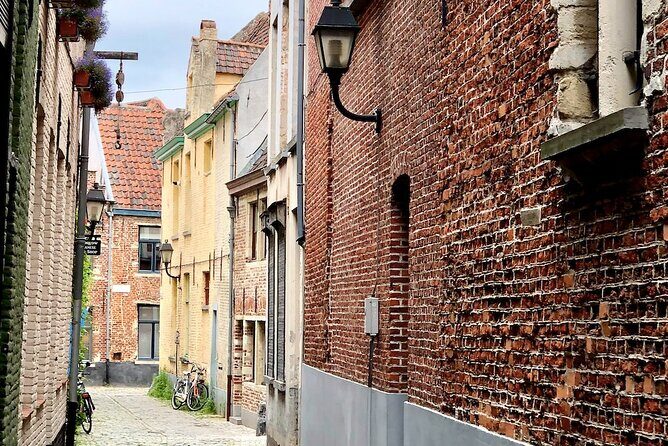
After a few short side turns, you arrive at Patershol, described as one of the oldest parts of Ghent. This stop is where the tour becomes more personal and street-level—small lanes, old-quarter atmosphere, and the sense that you’re walking through the neighborhood life that survived waves of change.
Food perk in this area: there’s a small local hint connected to nearby dining. If you go to Enzo (from pizzeria Neapolis) and show a business card provided by the guide, you can get 10% off your food. It’s optional, but it’s a fun way to turn history walking into a real meal plan.
Stop 8: Vrijdagmarkt and the Socialist movement explanation
The walk ends at Vrijdagmarkt, with the guide explaining the Socialist movement. It’s a smart closing chapter because it connects political ideas to a real public space—then you’re free to unwind with bars and restaurants nearby.
Why it matters: it gives Ghent a modern “why,” not just a past “what.”
The guide makes the city feel understandable
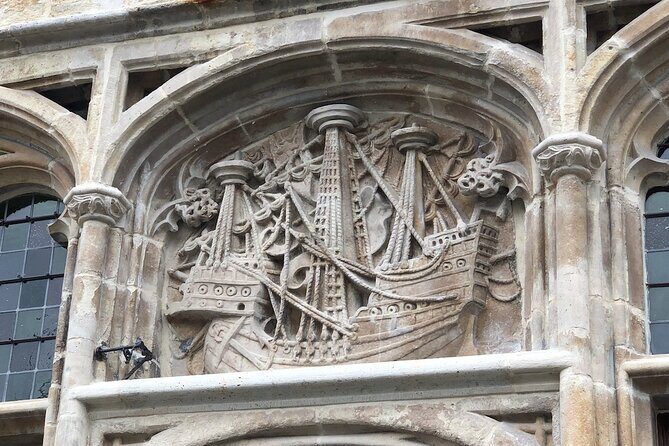
A lot of history tours fail because they try to cover too much. This one doesn’t feel like a cram. Jürgen’s skill is in pacing the story so that the next stop doesn’t feel random.
Expect a conversational tone with room for questions, and a humor style that keeps the group moving even when the weather isn’t cooperating. Even when the pace includes several big sites, the tour doesn’t lose its thread.
I also like that the tour doesn’t stay trapped in famous buildings. It pushes you toward the streets and corners that help you see how neighborhoods formed. That’s what makes a first-time visit easier: you can return later without needing the guide to point everything out.
Practical tips so you get more out of the walk
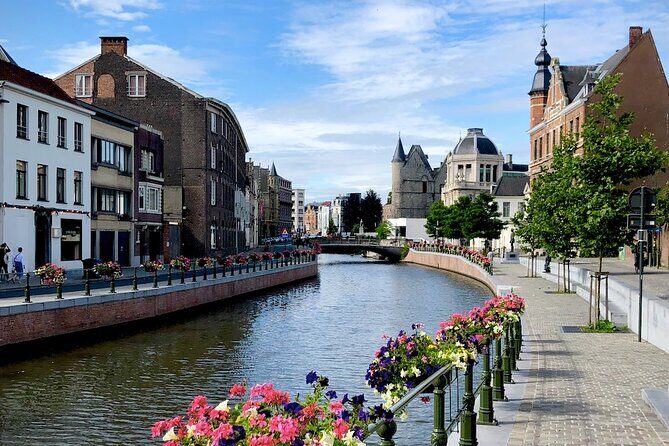
A couple of small things help this experience land well for you.
- Bring good walking shoes. Ghent streets can be uneven, and you’ll be on your feet for the full two hours.
- If you’re interested in art or interior spaces, decide ahead of time which stop(s) matter enough to pay admission. St. Bavo’s Cathedral and Gravensteen are the ones clearly flagged as not included.
- Come ready with one or two questions. Ask Jürgen why a place looks the way it does now, and you’ll get answers tied to the timeline the tour is building.
If you do those, you’ll get far more than a list of monuments. You’ll walk away with a mental map of how Ghent grew and why its choices make sense.
Should you book this Ghent historic walking tour?
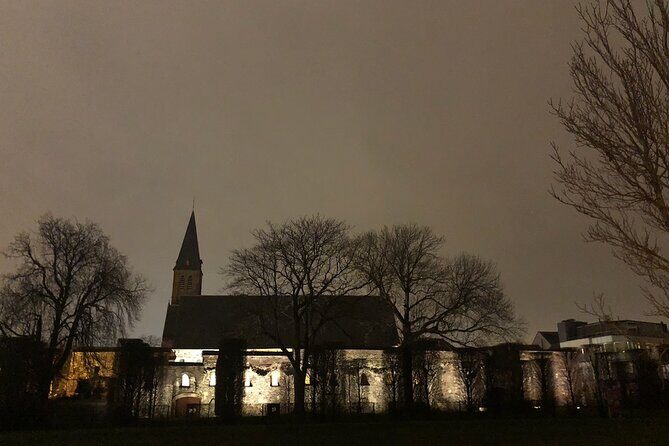
Yes, if you want a first-time introduction that feels personal and story-driven. This is a strong choice for you if you like history that explains cause and effect—how river geography, religious institutions, and later political ideas shaped the city you see today.
Book it especially if:
- you’re visiting Ghent for the first time and want to understand what you’re looking at
- you prefer a small-group walk over a large, audio-guided rush
- you care about St. Bavo’s Cathedral and Van Eyck’s Lam Gods, but still want the rest of the city story
Think twice if:
- you only want free, outside-only sights and don’t want to add any admission fees
- you don’t enjoy walking for two hours, even at a comfortable city pace
FAQ
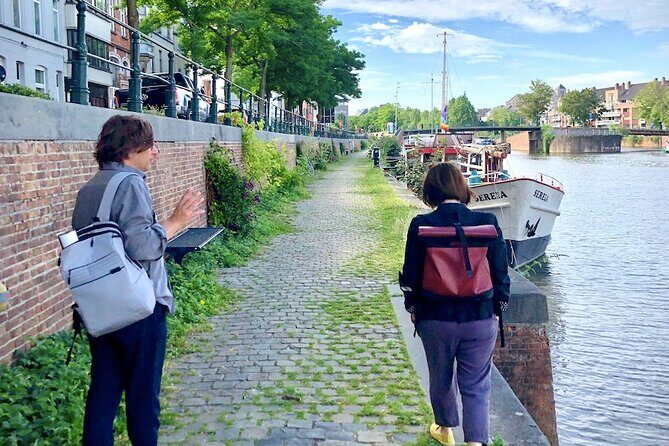
How long is the Ghent walking tour?
It’s about 2 hours long.
How much does the tour cost?
The price is listed at $40.33 per person.
Is admission included for major stops like St. Bavo’s Cathedral and Gravensteen?
No. Admission is not included for St. Bavo’s Cathedral and Gravensteen (and other highlighted stops also note tickets are not included).
Where does the tour start and end?
The meeting point is Hagelandkaai 53, 9000 Gent. The tour ends at Oudburg 17, 9000 Gent.
What time does the tour start?
The start time is listed as 3:00 pm.
How big is the group?
The tour has a maximum of 20 travelers.
Is free cancellation available?
Yes. You can cancel up to 24 hours in advance for a full refund.
Is the tour suitable for people who need service animals?
Service animals are allowed.